Village Bangladesh: Rural Beauty and Village Life
There is a quiet magic in village bangladesh that is hard to describe until you have stood beside a narrow dirt path at sunrise, watched mist rise from a riverbank, and heard the soft rhythm of daily life begin across the countryside. For many international travelers, rural Bangladesh is not just a destination; it is an atmosphere. It is the smell of wet earth after rain, the sound of distant boat paddles, the sight of women in bright saris moving through green fields, and the gentle hospitality that makes visitors feel unexpectedly at home.
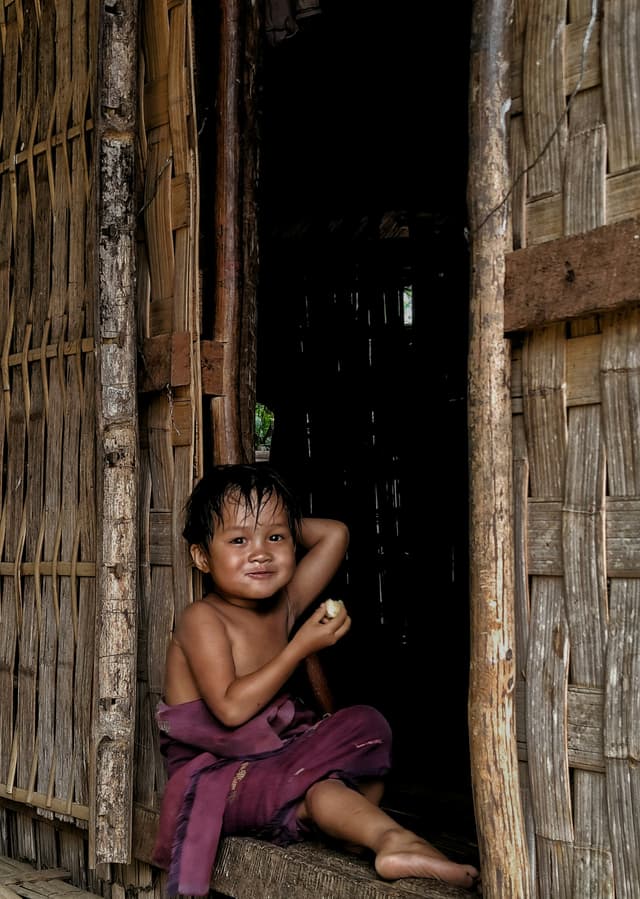
If you are looking for an authentic cultural journey in South Asia, the villages of Bangladesh offer one of the most memorable experiences possible. A single picture of bangladesh village often shows only one moment, but in real life the countryside is a living story of rivers, farming, traditions, family bonds, and timeless rural routines. Every bangladesh village picture you take home will carry the feeling of calmness, simplicity, and human warmth that defines this beautiful country.
Introduction to Village Life in Bangladesh
Village life in Bangladesh moves at a gentler pace than the cities. Most rural communities are shaped by farming, fishing, river transport, local markets, and shared social life. Families live close to one another, children play outdoors, and neighbors often stop to talk in the shade of trees or beside a tea stall. Visitors quickly notice that life here is not performed for tourists; it is genuinely lived.
This is what makes village bangladesh so appealing to foreign travelers. You are not simply viewing a rural landscape; you are stepping into an everyday culture that still feels deeply connected to land, river, and season. For photographers, culture seekers, and slow travelers, it is an unmatched experience.
Natural Beauty of Rural Bangladesh
The countryside of Bangladesh is lush, green, and full of subtle details. Paddy fields stretch to the horizon, banana groves line village roads, and ponds reflect the sky like mirrors. Bamboo fences, coconut palms, mustard flowers, and small footpaths create a landscape that feels both intimate and expansive.
After rain, the village ground glows with freshness. In the morning, the fields may be wrapped in mist; by afternoon, the sunlight turns the water, leaves, and mud walls into a tapestry of rich earthy colors. A picture of bangladesh village often captures only one angle, but standing there in person reveals layers of texture, sound, and scent that make the scenery unforgettable.
Green fields and calm horizons
Green is the dominant color of rural Bangladesh. Rice fields, vegetable plots, roadside grasses, and tree canopies create a soothing visual rhythm. For travelers who want to escape crowded tourist circuits, the quiet openness of the countryside feels refreshing and restorative.
Rivers, Fields, and Village Landscapes
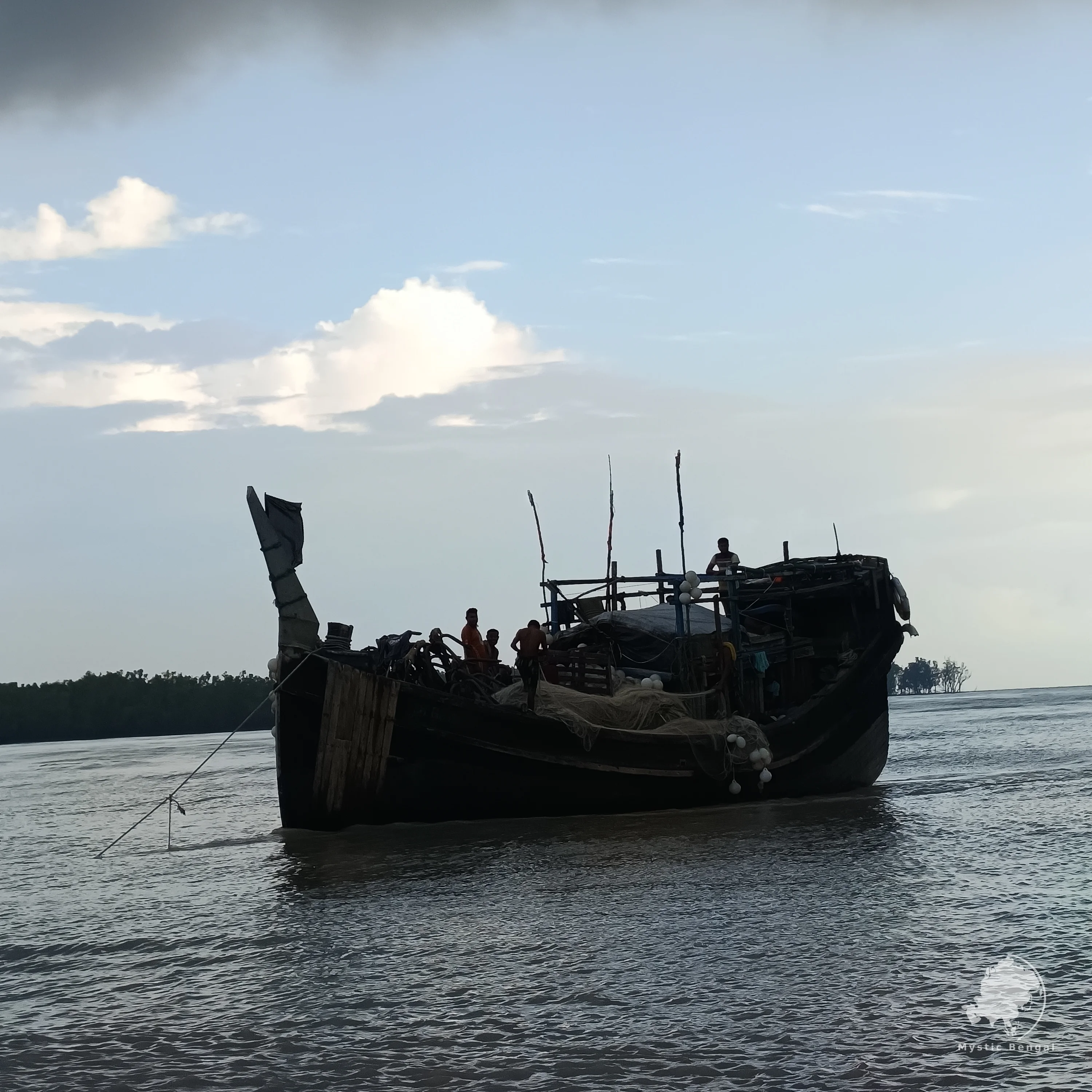
Rivers shape the identity of Bangladesh more than almost anything else. In rural areas, waterways are not just natural features; they are routes, livelihoods, and gathering places. Villages often sit beside canals, ponds, or broad rivers, and the landscape changes beautifully with the light throughout the day.
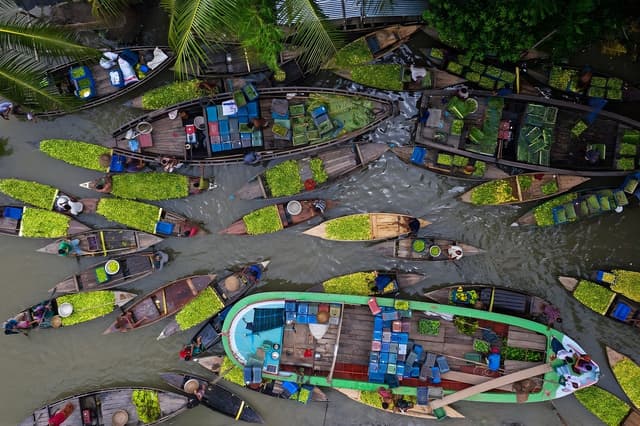
Boatmen glide past while fishermen cast nets from small wooden boats. Children cross channels on simple ferries. Women wash vegetables near embankments. The entire river culture creates a scene that is deeply photogenic and culturally rich. Many travelers searching for a bangladesh village picture are drawn especially to these river-edge views, where land and water meet in perfect harmony.
Traditional Houses and Local Lifestyle
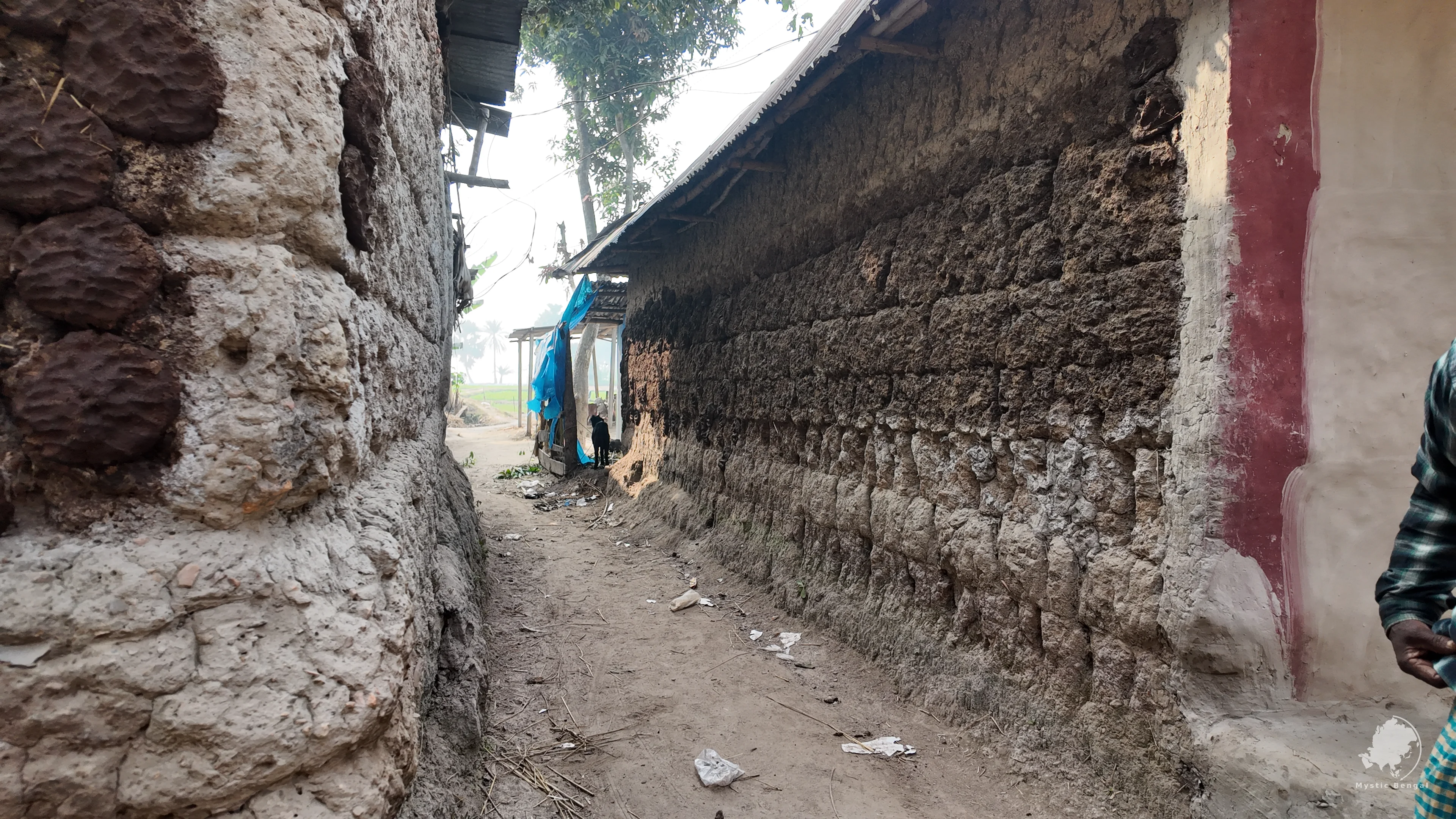
Most village homes are simple and functional, yet they are full of character. You may see tin-roof houses, mud-walled cottages, bamboo structures, or small homes surrounded by fruit trees and vegetable gardens. Courtyards often serve as the center of domestic life, where meals are prepared, clothes are dried, and family conversations take place.
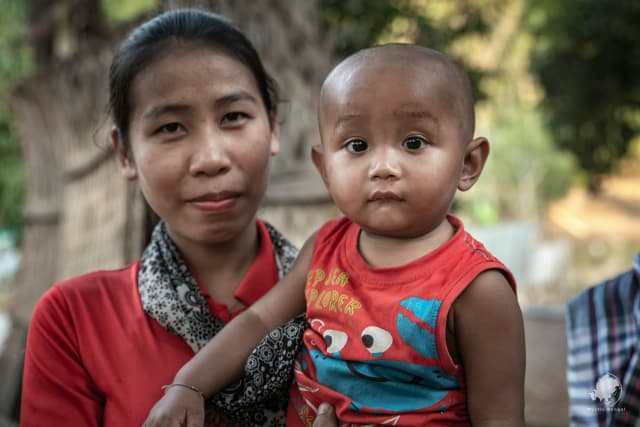
The local lifestyle is shaped by practicality, but it is also warm and communal. People greet each other easily. Guests are often offered tea, snacks, or fresh fruit. Even a brief visit can reveal how deeply hospitality is woven into village culture. Travelers often remember the people more than the scenery, because in rural Bangladesh, the human connection is just as beautiful as the landscape.
Farming and Agriculture in Villages
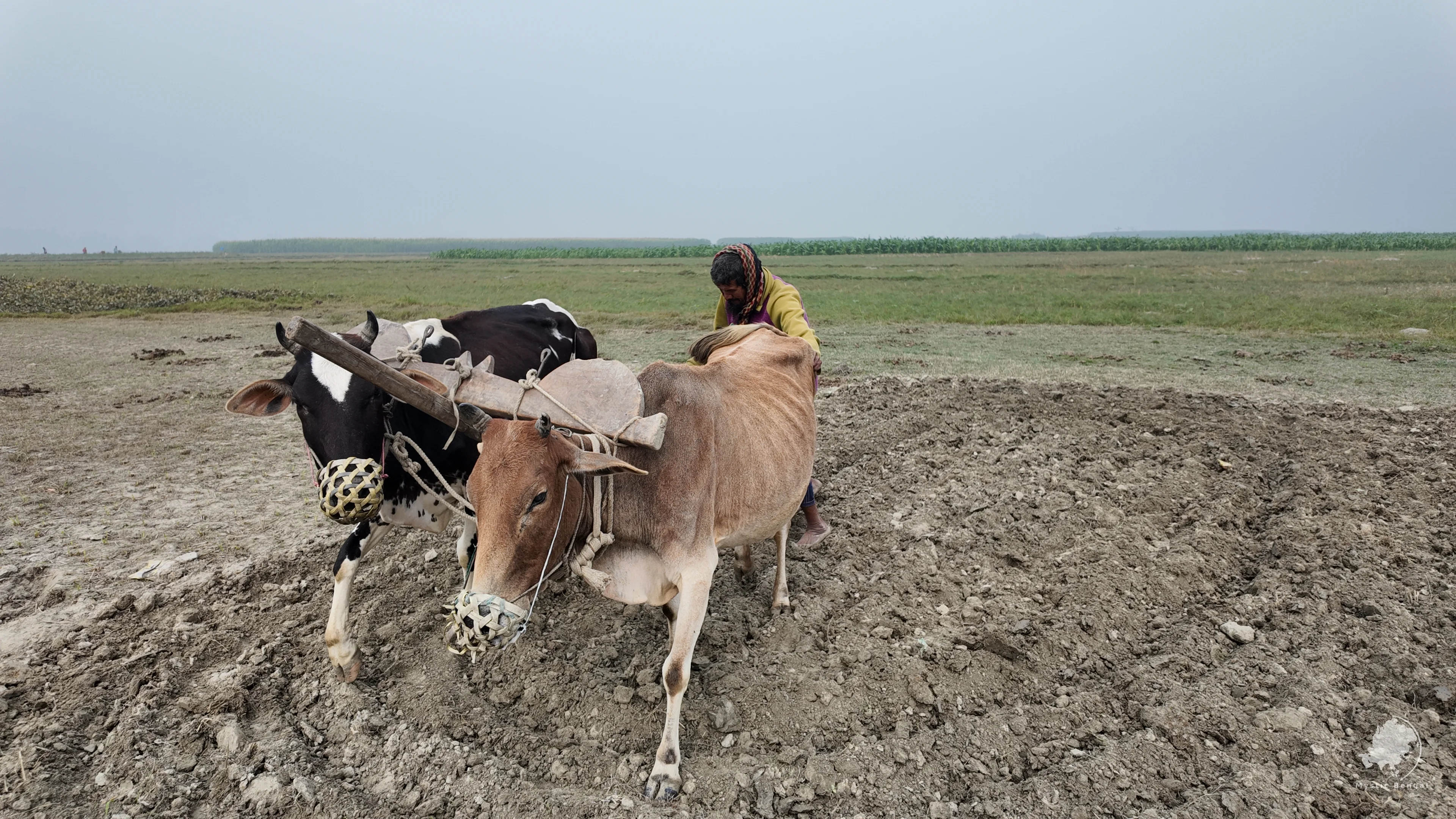
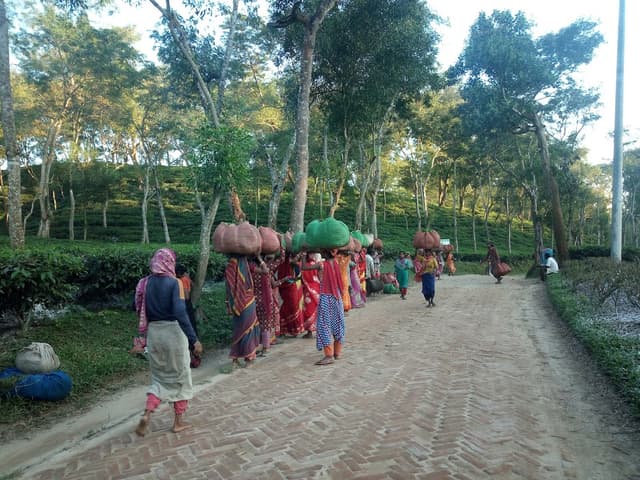
Agriculture remains the backbone of village life in Bangladesh. Rice is the main crop in many areas, while jute, vegetables, sugarcane, mustard, and seasonal fruits are also commonly grown. Farmers work early in the morning, using a mix of traditional knowledge and practical labor that has been passed down for generations.
For visitors, watching field work can be one of the most eye-opening parts of the journey. You may see people transplanting rice seedlings, harvesting crops, or guiding cattle through muddy fields. These moments show the true rhythm of the countryside and help explain why village Bangladesh feels so authentic and grounded.
Village Markets and Local Culture
Every rural region has its own market life, and village bazaars are among the most interesting places to visit. These small markets bring together farmers, shopkeepers, fish sellers, spice traders, and tea vendors. You will find fresh vegetables, handmade tools, sweets, fabrics, and daily necessities sold in a lively but unhurried environment.
Markets are also social spaces. People exchange news, discuss weather and crops, and meet friends. If you want to understand local culture, a village market gives you a wonderful glimpse into everyday life. It is also one of the best places to observe faces, colors, movement, and spontaneous moments for photography.
Hospitality of Bangladeshi Villagers
One of the greatest reasons foreign tourists love rural Bangladesh is the hospitality. Bangladeshi villagers are often curious, welcoming, and generous with their time. Visitors may be invited to sit for tea, share a meal, or simply rest in a courtyard while chatting with locals through a guide or interpreter.
This hospitality is not staged. It comes from real social values of respect and guest-friendliness. If you are a traveler who values genuine interaction over polished tourism, you will likely find village experiences in Bangladesh deeply rewarding.
Village Food and Traditional Cooking
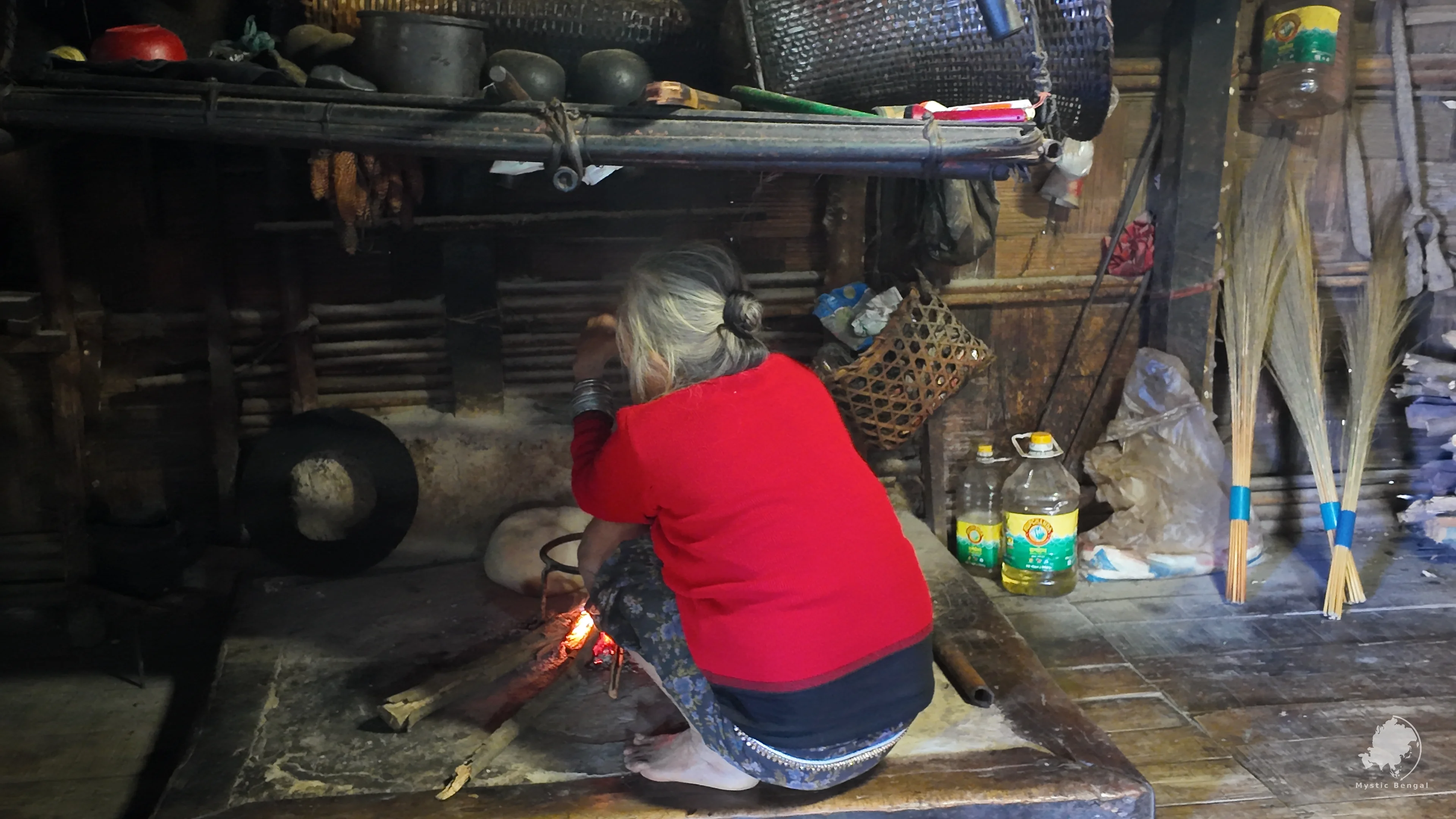
Food is one of the easiest ways to connect with rural culture. Village meals are often fresh, seasonal, and simple, prepared with ingredients from nearby fields, ponds, and gardens. Rice, lentils, vegetables, fish, and homemade pickles are common. In many places, food is cooked over a clay stove, which gives it a distinctive flavor.
Travelers may taste fried fish, vegetable curries, chutneys, pithas, and traditional sweets, depending on the season and region. Breakfast might include paratha, eggs, or soft rice-based dishes. In winter, the smell of freshly made pitha and warm molasses desserts adds a special charm to the countryside.
What makes village food memorable
- Fresh ingredients from nearby farms and rivers
- Simple home-style cooking with authentic flavors
- Seasonal dishes that reflect local harvests
- Warm hospitality around the dining table
Seasonal Beauty: Monsoon and Winter
Rural Bangladesh changes dramatically with the seasons. During monsoon, the countryside becomes intensely green, rivers swell, and the air feels alive with rain, clouds, and reflection. Water fills low-lying fields, creating stunning scenes that are perfect for landscape photography and slow travel.
Winter brings another kind of beauty. The skies turn clear, mornings become cool and misty, and the fields look crisp and golden. This is often the best time for comfortable village exploration, river travel, and outdoor photography. Both seasons are beautiful, but they create very different moods. If you want a vivid bangladesh village picture, monsoon gives you drama; winter gives you clarity.
Photography Opportunities in Rural Bangladesh
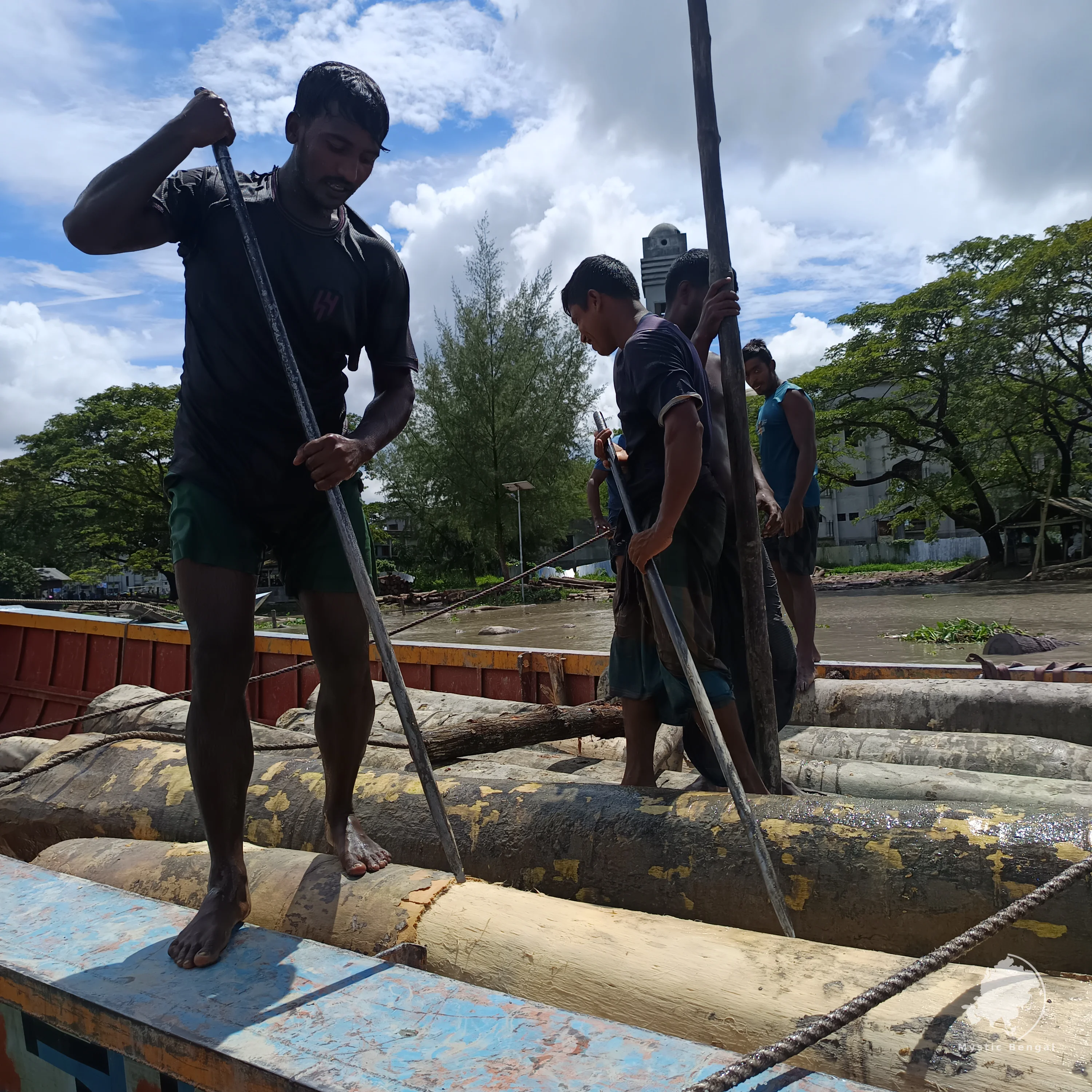
For photographers, village Bangladesh is rich with visual stories. You will find endless subjects: farmers in the field, women carrying water, children running along paths, boats on rivers, markets in motion, and sunsets over ponds and crops. Light is often soft in the early morning and late afternoon, which makes these the best times for photography.
When taking photos, always be respectful. Ask before photographing people closely, especially women, children, or private homes. A friendly smile and a little patience can lead to much better images than a rushed shot. The most beautiful photographs often come from quiet observation rather than intrusion.
Best Regions to Experience Village Life
Several regions are especially rewarding for rural travel. The riverine areas of southern Bangladesh offer classic boat scenes and lush lowland landscapes. Parts of Barisal and Khulna are known for waterways, remote villages, and scenic delta life. Sonargaon is a convenient cultural area near Dhaka for travelers who want a village and heritage experience in a shorter trip. The hill tracts offer a different kind of rural beauty, with tribal villages and dramatic landscapes.
Depending on your schedule, you may combine village visits with heritage routes or river journeys. If you are planning a longer journey, consider browsing Holiday Packages or the Sonargaon Panam Nagar Tour for a cultural countryside experience.
Village Boat Rides and River Culture
Boat travel is one of the most memorable parts of rural Bangladesh. In many villages, boats are still essential for crossing rivers, reaching markets, and visiting neighbors. A slow boat ride through canals and riverbanks reveals the countryside from a peaceful and unforgettable angle.
As you drift along the water, you may see fishermen, schoolchildren, grazing animals, and villagers moving along the banks. The sound of oars, birds, and water creates a calm atmosphere that feels far removed from modern city life. This river culture is one of the strongest reasons rural Bangladesh leaves such a lasting impression on international visitors.
Why Foreign Tourists Love Authentic Village Experiences
Many travelers today want more than famous landmarks. They want lived culture, meaningful interaction, and quiet places that feel real. That is exactly what rural Bangladesh offers. It is not over-commercialized, and that authenticity is part of its charm.
Foreign visitors often love the countryside because it gives them a deeper understanding of Bengali life. They see how families work together, how food is prepared, how rivers influence movement, and how traditions remain alive in daily routines. In this way, village travel becomes more than sightseeing; it becomes cultural immersion.
Responsible Tourism and Respecting Local Communities
When visiting villages, responsible tourism is essential. Dress modestly, ask permission before entering homes or taking photographs, and avoid interrupting prayer, meals, or private family moments. If you are traveling with a guide, follow local advice about etiquette and access.
It is also helpful to support local communities by buying handmade goods, eating local food, and using trusted local transport or guides. Respectful travel helps preserve the dignity of village life while creating better experiences for guests and hosts alike.
Practical Tips for International Travelers
- Travel with a local guide for smoother communication and cultural understanding.
- Carry cash, as many village areas do not accept cards.
- Wear light but modest clothing, especially in conservative rural communities.
- Expect simple infrastructure and travel at a relaxed pace.
- Choose dry winter months for easier access, or monsoon if you want lush scenery.
If you need support planning your countryside visit, you can also contact Mystic Bengal or explore our Bangladesh Guided Tour Operator page for tailored assistance.
Frequently Asked Questions
What is the best time to visit village Bangladesh?
Winter is usually the most comfortable season, while monsoon offers the most lush and dramatic scenery.
Is it easy to take a picture of bangladesh village life?
Yes, but the best approach is to be patient, polite, and respectful. Always ask before photographing people closely.
Can international tourists stay overnight in villages?
In some areas, yes, especially when arranged through a trusted operator or homestay-style cultural program. Planning ahead is recommended.
Are village trips suitable for first-time visitors to Bangladesh?
Yes, especially if you travel with a local guide. Rural experiences can be one of the easiest ways to understand the country’s culture and daily life.
Final Thoughts
The beauty of rural Bangladesh lies not only in its fields, rivers, and green landscapes, but also in its calm spirit and human warmth. A journey through village bangladesh offers a chance to slow down, observe life closely, and experience one of South Asia’s most genuine cultural environments. Whether you are chasing a perfect picture of bangladesh village, exploring river villages, tasting homemade food, or simply enjoying a peaceful countryside morning, the experience is likely to stay with you long after the trip ends.
For travelers seeking authenticity, beauty, and real connection, rural Bangladesh is one of the region’s most rewarding discoveries.
Tour Packages That Include This Place
Village Bangladesh
Rural Bangladesh
Bangladesh countryside
Village life
River culture
Cultural travel
Photography travel
Authentic travel
Bangladesh villages
Monsoon travel
Bangladesh Travel Blog, Bangladesh history, UNESCO sites, archaeological sites — all you need to know
Things to Do in Dhaka: A Complete City GuideSundarbans National Park: Wildlife, Mangroves, and Fishing VillagesDhaka to Chittagong Train Guide 202615 Best Places to Visit in Bangladesh on Your TourTraditional Food of BangladeshBest place to buy souvenir in DhakaBangladesh Visa on Arrival 2026Bangladesh Travel Tips for First-Time VisitorsPanam Nagar (পানাম নগর) : An Abandoned Hindu City from the 19thBangladesh People: Exploring Ethnicity and CultureBangladesh Tour PackagesBest Places for Photography in Dhaka!Ahsan Manzil (Pink Palace), the Residence of a Feudal LandlordTop 15 New & Old Dhaka Tourist AttractionsExplore Lalbagh Fort: Dhaka's Mughal MasterpieceIs Bangladesh Safe to Travel?Ship Breaking Yard Bangladesh: Inside the World's Steel GraveyardBangladesh Wildlife TourArmenian Church Dhaka: A Timeless Landmark in Old DhakaNational Parliament of Bangladesh: Visiting Jatiya Sangsad Bhaban in DhakaSt Martin Island Bangladesh Travel GuideJaflong Sylhet & Lalakhal: Bangladesh’s Emerald EscapeTea Garden in Bangladesh: Sylhet’s Green HillsVillage Bangladesh: Rural Beauty and Village LifeDhakeshwari Temple Dhaka: History and Visitor GuideEid in Bangladesh: Eid ul Fitr 2026 Travel GuidePlaces to Visit in Chittagong: Best Attractions & Travel GuideBangladesh Tour Package for ForeignersBangladesh Itinerary for 7 DaysIs Bangladesh Worth Visiting? Honest Travel GuideLuxury Bangladesh TourPrivate Tour in BangladeshShakhari Bazar / Hindu Street in DhakaEthnic Groups of Bangladesh: Culture & DiversityIs Cox's Bazar Worth Visiting?Cox's Bazar Travel Guide for Foreign TravelersRenting a House in Dhaka, Bangladesh as a Foreigner: The Complete 2026 GuideBangladesh Sylhet Tea Garden