Is Bangladesh Safe to Travel? The complete, honest 2026 safety guide
Covering crime, terrorism, solo travel, female travel safety, safe regions vs. danger zones, health risks, and practical tips — all in one place.
Quick Verdict
Bangladesh is conditionally safe to travel in 2026. Most foreign visitors complete their trips without serious incident. The risks are real but manageable — petty crime, dangerous traffic, occasional political unrest, and one high-risk zone (the Chittagong Hill Tracts). Understanding what to avoid makes all the difference.
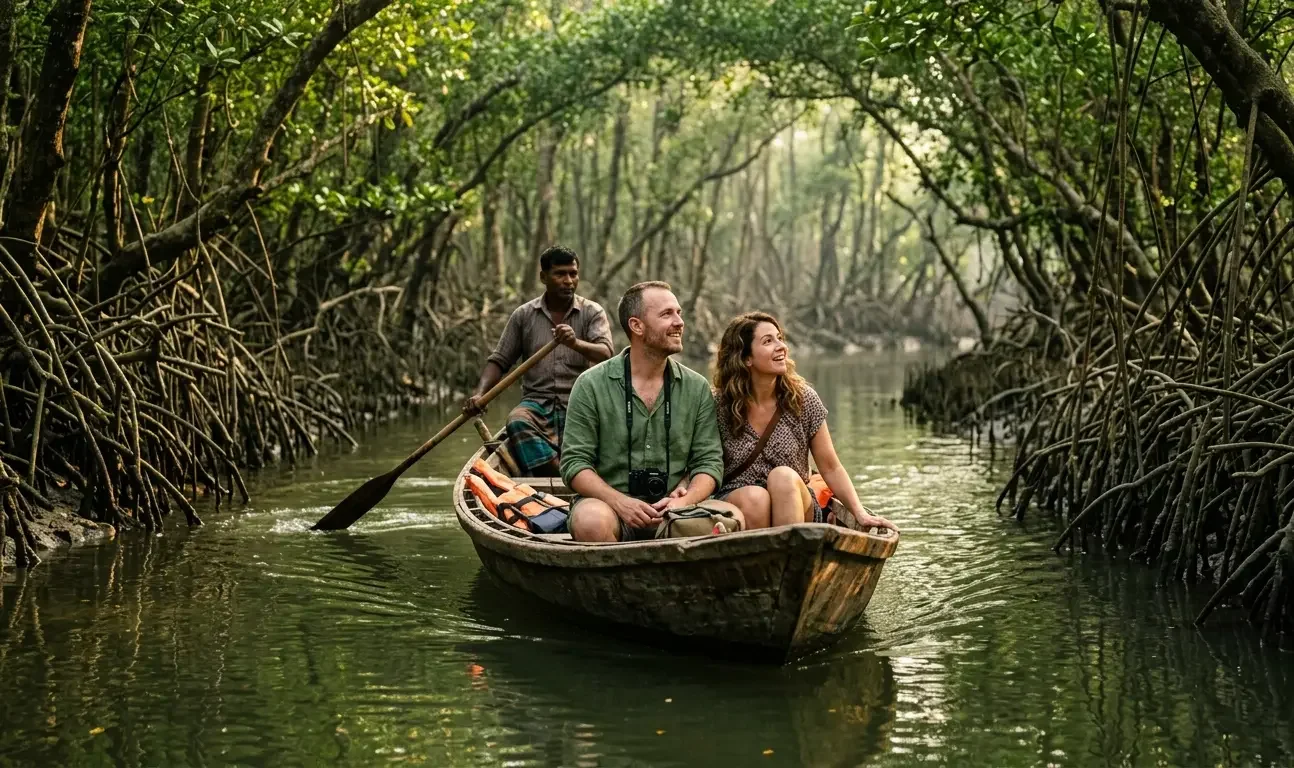
Table of Contents
1. Overall Safety Overview: Is Bangladesh Safe in 2026?
Few destinations in Asia provoke as much anxiety — and as much unwarranted fear — as Bangladesh. Western travel advisories tend toward the alarming. The reality on the ground tends toward the surprisingly welcoming. The truth, as usual, sits somewhere in between.
Bangladesh is home to over 170 million people squeezed into a lush, river-cut delta between India and Myanmar. It is one of the most densely populated countries on Earth and one of the least visited by international tourists. That combination of density and unfamiliarity creates a perception gap that most first-time visitors describe as jarring in the best possible way: they expected danger and found warmth.
That said, Bangladesh is not without genuine risks. Political volatility since mid-2024 has left the security environment fragile. The formation of an interim government brought a reduction in violence, but protests continue, conditions can shift quickly, and certain regions — most notably the Chittagong Hill Tracts — remain genuinely dangerous.
For the prepared, informed, culturally respectful traveler, Bangladesh rewards boldly. For the unprepared, it can overwhelm. This guide gives you the unvarnished picture.
2. Safety Scorecard by Category
A quick breakdown of the main risk categories travelers should know before visiting Bangladesh:
Violent Crime
Low
Rare incidents
Petty Theft
Medium
Crowded areas
Political Unrest
Medium
Fragile
Terrorism
Medium
Policed, rare
Traffic Safety
High Risk
Chaotic roads
Natural Disasters
High Risk
Cyclones & floods
Health Risks
Medium
Dengue, typhoid
Solo Female
Moderate
Manageable
Governments including the United States, Australia, and Canada have issued "Reconsider your need to travel" advisories for Bangladesh, primarily citing civil unrest, terrorism, and the Chittagong Hill Tracts region. However, independent travel writers and experienced backpackers frequently paint a more optimistic picture — particularly for Dhaka, Sylhet, Cox's Bazar, and the Sundarbans.
3. The Honest Picture: Pros & Cons
No guide that only lists dangers is honest, and no guide that only celebrates a destination is responsible. Here is the full spectrum:
Why It's Safer Than You Think
- ✓Violent crime against foreigners is genuinely rare
- ✓Ranks higher on the Global Peace Index than the United States
- ✓Locals are exceptionally hospitable — some of the friendliest people in Asia
- ✓Less touristy = far fewer tourist-targeting scams
- ✓Strong cultural norms against disrespecting guests
- ✓Political violence has decreased since the 2024 Interim Government
- ✓Terrorism is now heavily policed and extremely rare
Genuine Risks to Know
- ⚠Deep CHT remote areas (Boga Lake, Keokradong) restricted — visit only with a licensed operator
- ⚠Protests can turn violent without warning
- ⚠Traffic is notoriously dangerous — one of the highest risk factors
- ⚠Petty theft common in crowded markets and bus terminals
- ⚠Health risks: dengue, typhoid, and waterborne diseases
- ⚠Air pollution in Dhaka is extreme, especially in winter
- ⚠Limited medical infrastructure outside major cities
4. Safe Regions vs. Areas to Avoid
Bangladesh is not uniformly risky. Where you go matters enormously:
Cox's Bazar
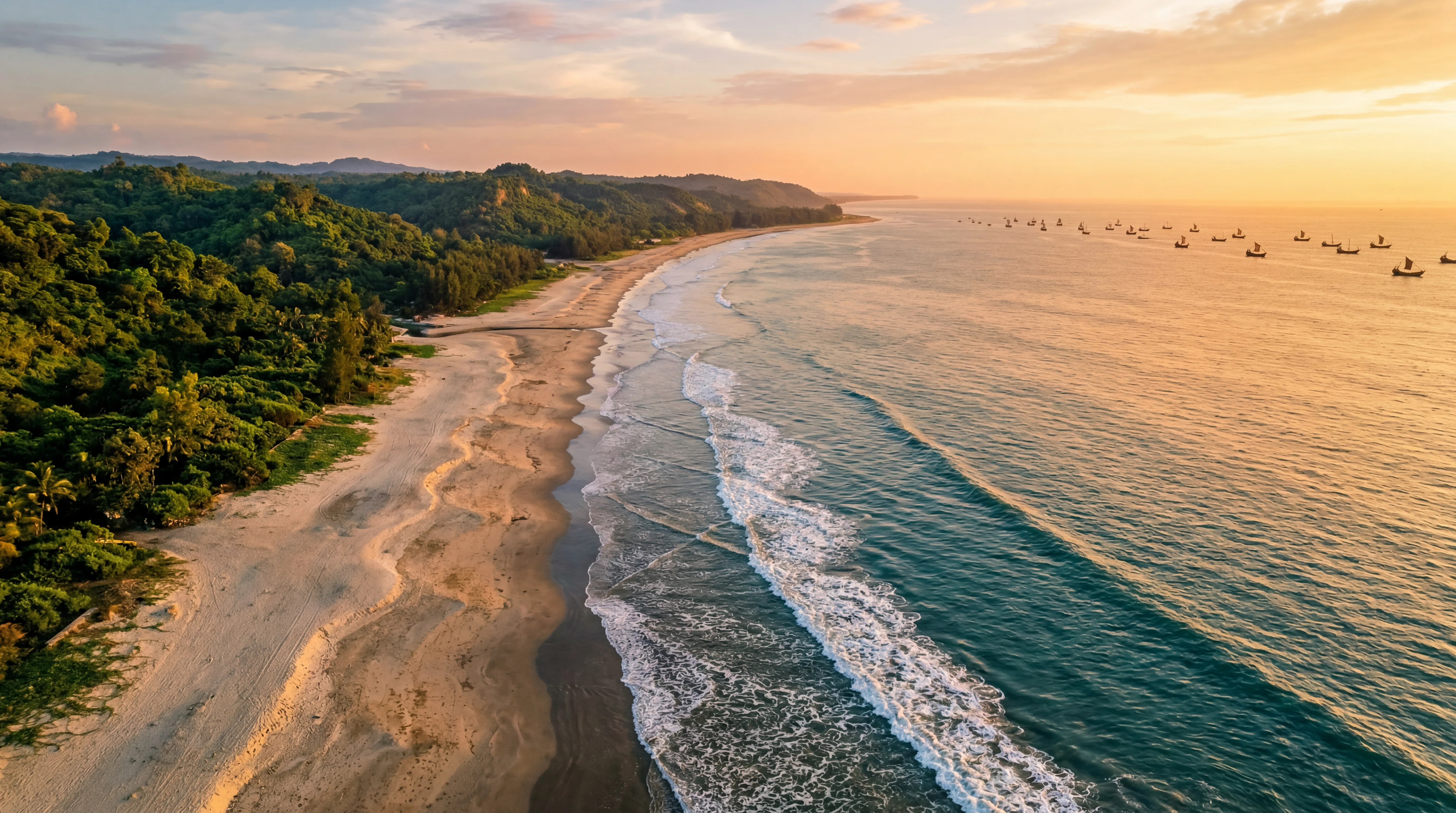
Relatively SafeWorld's longest natural beach; well-traveled tourist area; standard precautions apply.
Sylhet & Tea Country
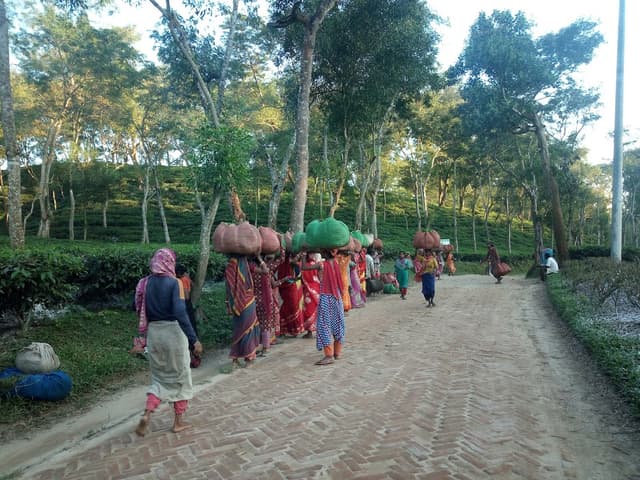
Relatively SafeOne of the most recommended areas; stunning tea gardens; warm welcome for visitors.
Sundarbans
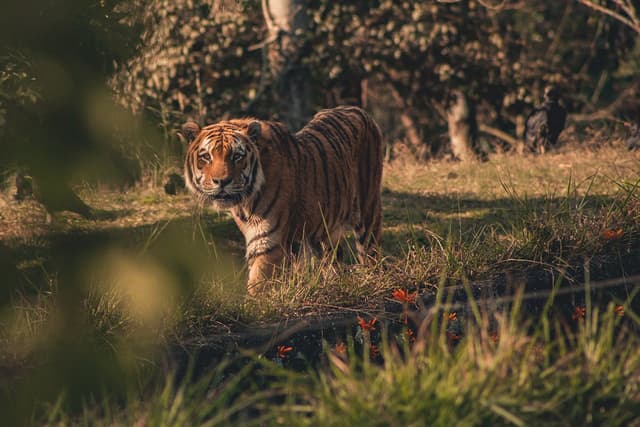
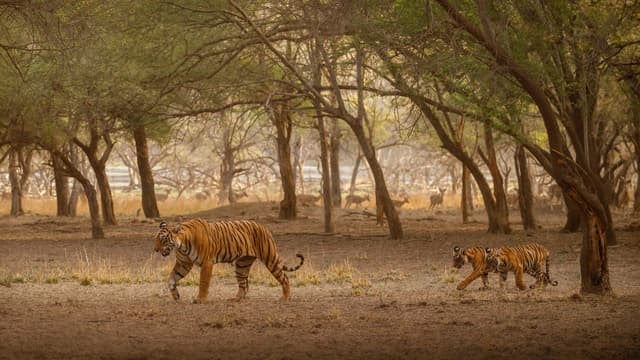
Relatively SafeGo with a licensed guide only; wildlife (tigers, crocodiles) is the main risk, not crime.
Sreemangal
Relatively SafeTea capital of Bangladesh; peaceful and popular with expat visitors.
Dhaka
CautionGenerally manageable; avoid government buildings during protests; use Uber/Pathao over street taxis at night.
Chittagong
CautionSecond largest city; politically active; avoid during hartals (general strikes).
Chittagong Hill Tracts
Bandarban · Rangamati · Khagrachari
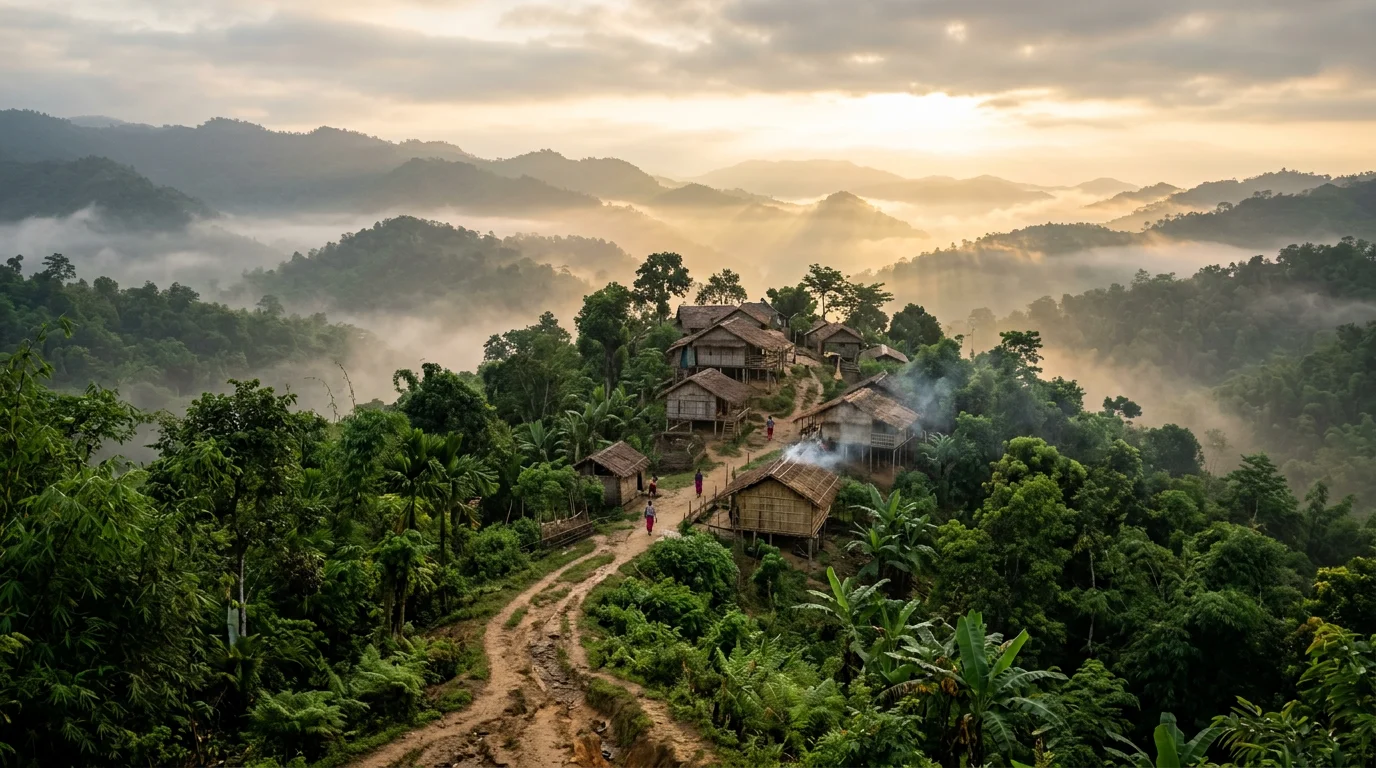
Western governments list this as their most serious warning zone — and deep remote areas like Boga Lake, Keokradong summit, and the Ruma highlands do carry real risk and are largely inaccessible to tourists today. However, the full picture is more nuanced. Many villages and accessible areas in the Hill Tracts remain open, actively protected by the Bangladesh Army, and are visited regularly by local tour operators.
Local Operator's Reality Check: The CHT Is Not All Off-Limits
Insider perspective from Mystic Bengal Tours — operating in the hill tracts since before the advisory
The blanket "Do Not Travel" label from Western governments covers the entire Chittagong Hill Tracts — but on the ground, the reality is far more layered. The dangerous zones are the deep, unmonitored remote areas that were already difficult to access before the advisory. The accessible villages close to district towns are a very different story.
Currently Restricted / High Risk
- ×Boga Lake deep trek (remote, unguided)
- ×Keokradong summit (highest peak — restricted)
- ×Ruma Sadar deep jungle routes
- ×Chimbuk overnight without army clearance
- ×Unguided solo trekking anywhere in the tracts
Army-Protected & Still Accessible
- ✓Remote hilltribe villages under army protection
- ✓Bandarban town & surrounding viewpoints
- ✓Nilgiri Hills (army camp area — scenic & safe)
- ✓Sajek Valley (heavily monitored, popular with locals)
- ✓Cultural village visits with licensed local guide
"Before the advisory tightened, travellers regularly made it to Boga Lake and Keokradong — these are stunning destinations. Today those deep routes are off the table. But the CHT is a vast region. We still run tours to protected villages that most foreign visitors never knew existed — the tribal communities, the misty hillscapes, the way of life there is completely unlike anywhere else in Bangladesh. You just need a local guide who knows the clearance process."
— Mystic Bengal Tours, Chittagong Hill Tracts Operations
The Golden Rule for Hill Tracts Travel
Never enter the Chittagong Hill Tracts independently or without a registered local guide who holds army clearance. The government permit process (Ministry of Home Affairs) takes up to 10 days. A reputable tour operator handles all of this for you and will only take you to areas confirmed safe. The experience — when done correctly — is unlike anything else in South Asia.
Interested in a guided Hill Tracts experience?
We run small-group tours to protected villages — permits, army clearance & local guides included.
5. Crime: What Travelers Actually Face
The disconnect between government advisories and traveler experiences on crime is significant, and understanding why matters.
Petty Crime
Pickpocketing and bag snatching are common in crowded places — markets, bus terminals, and ferry ports. Use a crossbody bag, keep your phone out of your back pocket, and stay alert in busy areas. Most thefts are nonviolent and opportunistic.
Violent Crime Against Tourists
Violent crime specifically targeting foreign visitors is rare to the point of being almost negligible. Street crime in general runs lower than in many Western cities. Seasoned backpackers who have traveled India, Pakistan, and South Asia broadly consistently report Bangladesh as among the calmer environments for personal safety in the region.
Scams
Bangladesh has fewer tourist-targeting scams than many of its neighbors, largely because foreign tourism is still uncommon. Some taxi drivers at airports or tourist sites may overcharge. Always negotiate fares before getting in, or use Uber or the local Pathao app where available.
"The reality is that violent crime against foreigners is almost unheard of, and street crime in general is lower than in many Western cities."
— The Street Food Guy, independent travel guide (2026)
Practical Note
Use registered taxis booked through your hotel or app-based services like Uber and Pathao in Dhaka. Avoid hailing street taxis at night. Always share your trip details with someone you trust. The Australian High Commission advises its staff to avoid public transport except rickshaws in daylight hours — a useful benchmark for caution.
6. Political Unrest & Terrorism Risk
Political Situation in 2026
Bangladesh went through a turbulent period in 2024 with intense demonstrations and clashes that preceded the formation of an Interim Government. That violence has largely subsided, but the situation remains fragile. Protests continue and can escalate quickly. Hartals (general strikes) can paralyze cities with minimal warning.
Major cities like Dhaka, Chittagong, and Khulna are the primary locations for political unrest. The key rule: avoid all public gatherings, even those that appear peaceful. The Australian Government's April 2026 advisory states large gatherings may turn violent with little or no warning.
Terrorism
Terrorism is a real — but heavily policed — risk in Bangladesh. Extremist groups have historically targeted Westerners in Dhaka using improvised explosive devices (IEDs). However, Bangladeshi authorities have been actively arresting terrorists in advanced stages of planning, and the frequency of attacks has dropped substantially.
Travelers should remain alert at places of worship, during significant national holidays, and in locations known to attract foreigners. The terrorism risk is not zero, but most visits to Bangladesh are entirely uneventful in this regard.
7. Health & Medical Risks
Health is arguably the most consistently underrated risk for travelers in Bangladesh. Infectious diseases, pollution, and limited medical infrastructure all demand preparation.
Key Health Risks
- →Dengue fever — year-round risk; outbreaks every 2–5 years (CDC)
- →Typhoid & Hepatitis A — food and waterborne risks
- →Waterborne diseases — do not drink tap water; be cautious with street food
- →Malaria — present in the Chittagong Hill Tracts and some rural areas
- →Air pollution — severe in Dhaka in winter; high risk for respiratory conditions
Vaccinations Recommended
Hepatitis A and Typhoid are considered required. Hepatitis B, Japanese Encephalitis, and Rabies are recommended for certain travelers. Proof of Yellow Fever vaccination is required if arriving from a Yellow Fever risk country. Visit a travel clinic at least one month before your trip.
Medical Infrastructure
Medical services in Dhaka have improved but remain below Western standards. Outside major cities, facilities are limited and medical evacuation may be necessary for serious conditions. Comprehensive travel insurance with medical evacuation coverage is essential — not optional.
8. Is Bangladesh Safe to Travel as a Solo Female Traveler?
This is the most-searched safety question about Bangladesh, and it deserves a thorough, honest answer — not a blanket reassurance, and not an alarmist dismissal.
The Direct Answer
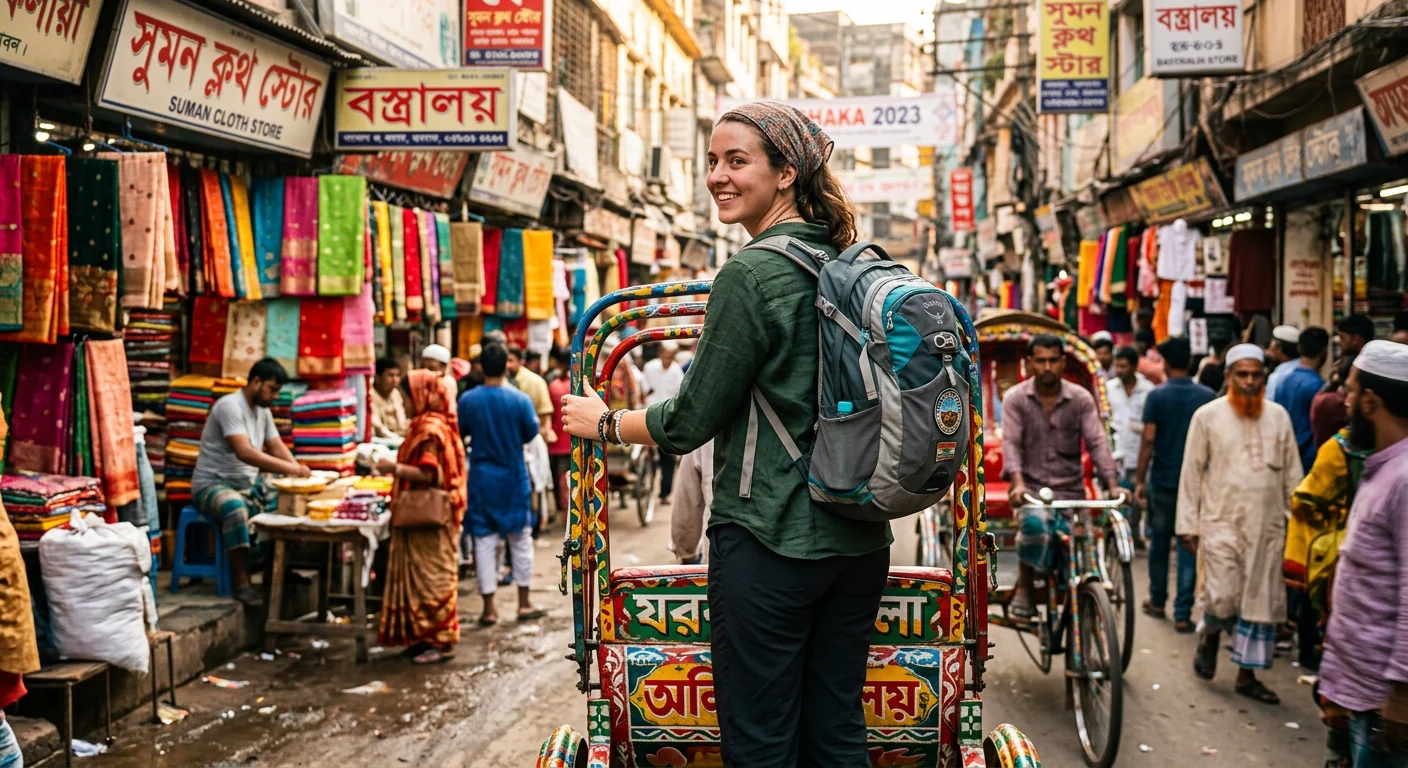
Yes, Bangladesh can be safely traveled as a solo woman — but it requires more preparation, cultural awareness, and mental resilience than many destinations. Women who have done it describe it as challenging, occasionally frustrating, and ultimately deeply rewarding.
"I spent one month backpacking across Bangladesh solo, using public transportation, and I never felt unsafe. The people are some of the most helpful I have ever met."
— Solo female backpacker, Laure Wanders (2026)
What You Will Actually Experience
Bangladesh is a strongly patriarchal society. A solo foreign woman is a genuine rarity, and you will attract enormous curiosity — stares, questions, being photographed. This is almost always well-intentioned. Harassment exists but is mostly verbal and low-level. Violent attacks specifically targeting foreign women are not a documented pattern.
Cultural Tips for Female Travelers
Dress modestly
Loose, covering clothing dramatically reduces unwanted attention. Avoid shorts and sleeveless tops in public.
Use rideshare apps
Uber and Pathao provide tracked, verified transport. Women's shuttle services now operate on some Dhaka corridors.
Avoid walking alone at night
Especially in quiet or unfamiliar areas. After dark, use hotel-arranged or app-based transport.
Learn basic greetings
"Asalaam Aleikum" for Muslim locals and "Nomoshkar" for Hindus signals respect and opens doors.
Book reputable accommodation
Research guesthouses with female traveler reviews. Locals often actively help ensure you're in a secure hotel.
Embrace the curiosity
Being a spectacle is inevitable. Approaching it with humor and patience makes the experience far richer.
Bottom Line for Women
Bangladesh is not ideal for a first-time solo traveler with no South Asia experience. But for women who have traveled India or Pakistan and understand conservative cultural norms, Bangladesh is a genuinely safe and extraordinary adventure. Come prepared, dress respectfully, and you will likely leave having had the warmest human interactions of your traveling life.
9. 10 Essential Safety Tips for Traveling Bangladesh
Buy comprehensive travel insurance
Including medical evacuation. Non-negotiable given the limited healthcare infrastructure outside Dhaka.
Monitor news daily
Conditions change quickly. Sign up for your government's travel alert system before you go.
Use app-based transport
Uber and Pathao in Dhaka offer tracked, metered rides that are safer than street taxis.
Avoid all protests
Even peaceful gatherings. Leave the area immediately if you notice crowds assembling near government buildings.
Stay hydrated carefully
Only drink bottled or filtered water. Be cautious about ice and fresh salads at street stalls.
Don't flash valuables
Keep your phone in a front pocket or closed bag. Avoid wearing expensive jewelry in crowded areas.
Get vaccinated in advance
Hepatitis A and Typhoid at minimum. Visit a travel clinic at least a month before departure.
Respect local customs
Dress modestly, remove shoes at mosques and temples. Alcohol is heavily restricted in many areas.
Get a local SIM card
Grameenphone, Banglalink, and Robi offer inexpensive data. Staying connected is a core safety tool.
Never enter the Hill Tracts unguided
Deep remote areas are restricted. But army-protected villages are still visitable — only ever with a registered local operator who holds the proper clearances.
10. Frequently Asked Questions
Is Bangladesh safe to travel right now in 2026?
Conditionally yes. Most areas — including Dhaka, Cox's Bazar, Sylhet, and the Sundarbans — are visitable with standard precautions. Political conditions have stabilized since 2024 but remain fragile. Avoid protests and do not travel to the Chittagong Hill Tracts.
Is Bangladesh safe to travel as a solo female traveler?
Yes, with preparation. Solo female travel is undertaken regularly by experienced women travelers. Dress modestly, use app-based transport at night, and prepare for a culturally conservative environment. Violent incidents against foreign women are rare.
What is the safest city in Bangladesh for tourists?
Sylhet is widely considered the most tourism-friendly city. Cox's Bazar, Sreemangal, and the Sundarbans delta are also commonly cited as relatively safe and rewarding destinations.
Is Bangladesh safe for solo travel in general?
Yes. Bangladesh has a strong culture of hospitality and violent crime against foreign solo travelers is rare. The main challenges are traffic, petty theft in crowded areas, and understanding when to avoid political gatherings.
Is Bangladesh safer than India to travel?
Many experienced travelers describe Bangladesh as more relaxed than India in terms of direct harassment and tourist-targeting scams. However, Bangladesh has less developed tourist infrastructure and some unique political risks.
What are the main health risks in Bangladesh?
Dengue fever is the most common risk. Typhoid, Hepatitis A, waterborne illnesses, and extreme air pollution are all real concerns. Get vaccinated before you go, only drink bottled water, use mosquito repellent, and secure comprehensive travel insurance.
Do I need a visa to visit Bangladesh?
Most nationalities require a visa. Tourist visas on arrival are available for some but not guaranteed — getting a visa in advance is strongly recommended. Passports must be valid for at least 6 months beyond your planned stay.
Final Verdict: Should You Travel to Bangladesh?
3.5 / 5 for safety — with the right preparation, 5/5 for the experience.
Bangladesh is not a destination for the casual, uninformed traveler. But for those who do their research, respect the culture, stay away from the Chittagong Hill Tracts, avoid political gatherings, and take basic health precautions — it offers some of the most authentic, human, and rewarding travel experiences available anywhere in Asia.
The people are exceptional. The food is extraordinary. The landscapes — from the Sundarbans' tiger-patrolled mangroves to the tea hills of Sylhet to the world's longest beach at Cox's Bazar — are unforgettable.
Is Bangladesh safe to travel? Yes — if you travel smart.
Last updated: April 2026 · Sources: U.S. State Department, Australian Smartraveller, Government of Canada Travel Advisories, CDC Travel Health, independent traveler reports