Ethnic Groups of Bangladesh: Culture & Diversity
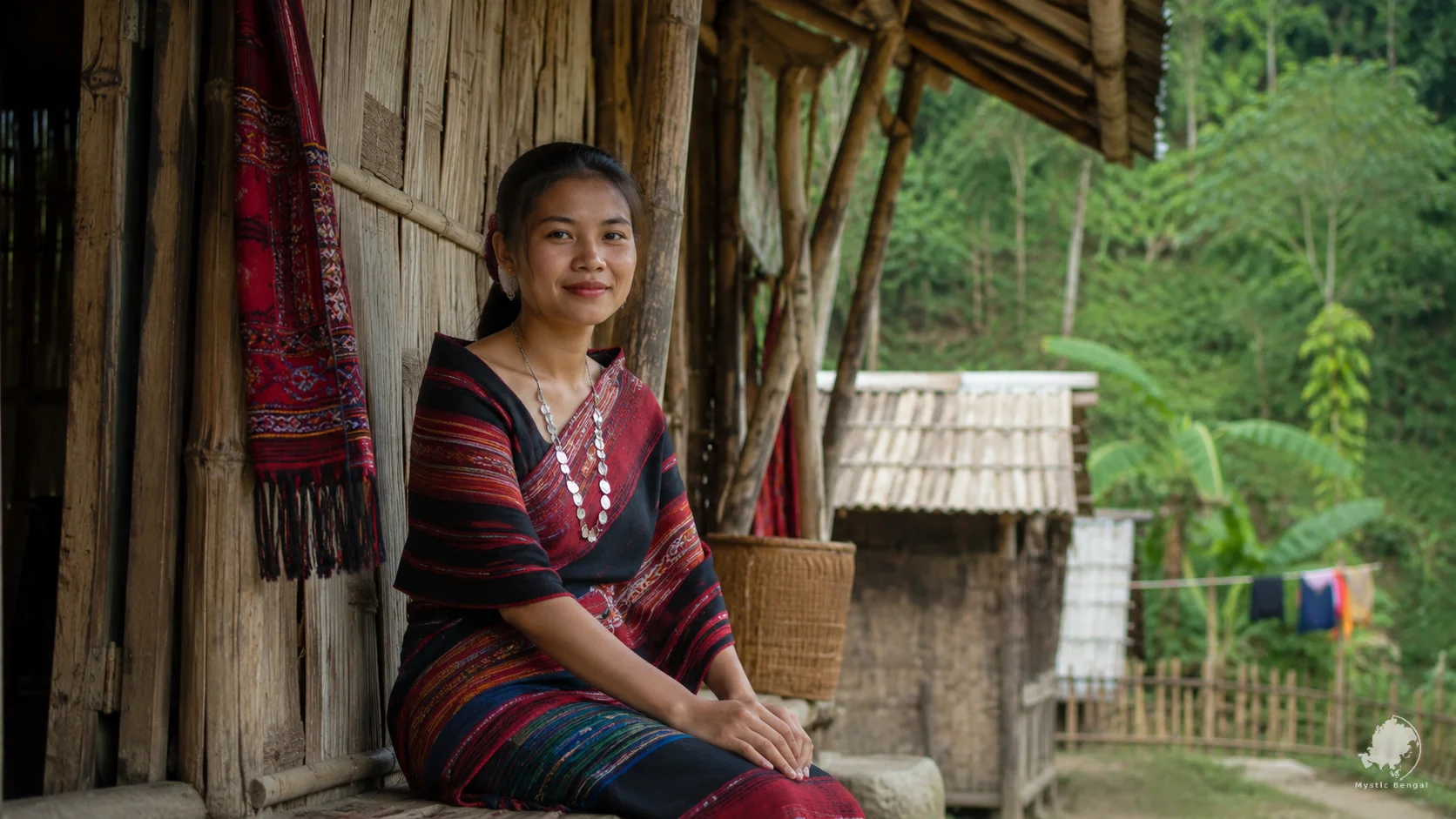
Bangladesh is known as a Bengali-majority nation, but it is also home to many Indigenous and ethnic minority communities whose languages, festivals, food, and traditions add remarkable depth to the country’s identity.
A Quick Guide to Bangladesh’s Ethnic Diversity
The ethnic groups of Bangladesh live across the Chittagong Hill Tracts, Sylhet, Mymensingh, Sherpur, Netrokona, and the northern plains. Many communities are known for distinct languages, weaving traditions, spiritual practices, and close relationships with forests, hills, rivers, and farmland. If you are planning to explore beyond Dhaka, this diversity is one of the most rewarding parts of traveling in Bangladesh.
Table of Contents
- Who are the ethnic groups of Bangladesh?
- Major ethnic communities
- Where they live
- Languages and religion
- Festivals, food, and daily life
- Travel tips for visitors
- FAQs
Who Are the Ethnic Groups of Bangladesh?
The ethnic groups of Bangladesh are communities with their own cultural, linguistic, and historical identities. Some are described as Indigenous peoples, while others are commonly called ethnic minorities, tribal communities, or Adivasi communities. In travel writing, it is best to use community names wherever possible, such as Chakma, Marma, Tripura, Garo, Khasi, Santal, Manipuri, Munda, Oraon, Bawm, and Tanchangya.
For a broader overview of the country’s population, you may also read our Bangladesh People article.
Major Ethnic Communities
Chakma, Marma, and Tripura
The Chakma, Marma, and Tripura communities are among the best known in the Chittagong Hill Tracts. Chakma culture is strongly linked to Buddhism, weaving, and the Biju festival. The Marma community is also Buddhist and is famous for Sangrai celebrations. Tripura traditions include hill agriculture, bamboo homes, and community-based festivals.
Garo, Khasi, and Manipuri
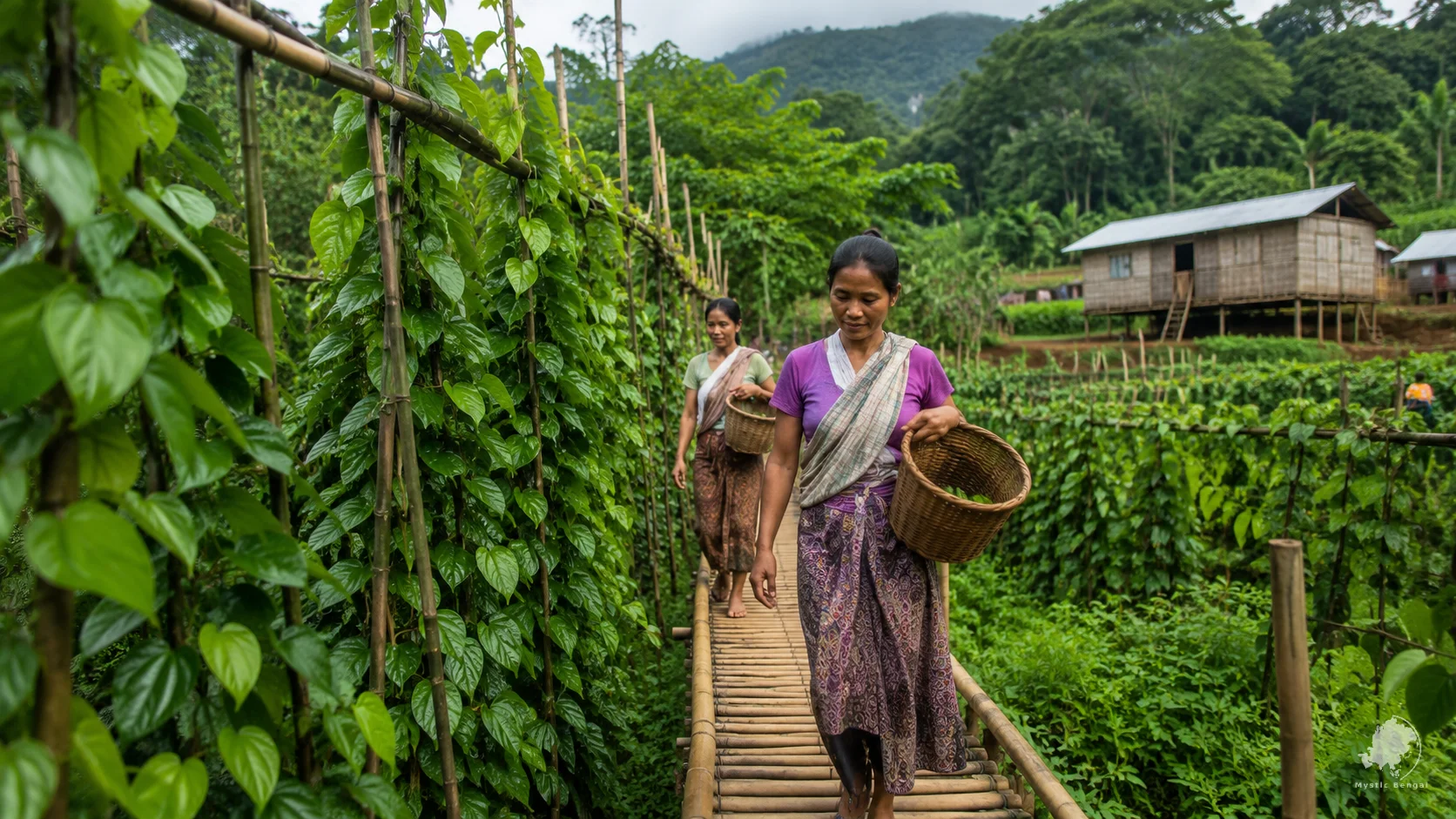
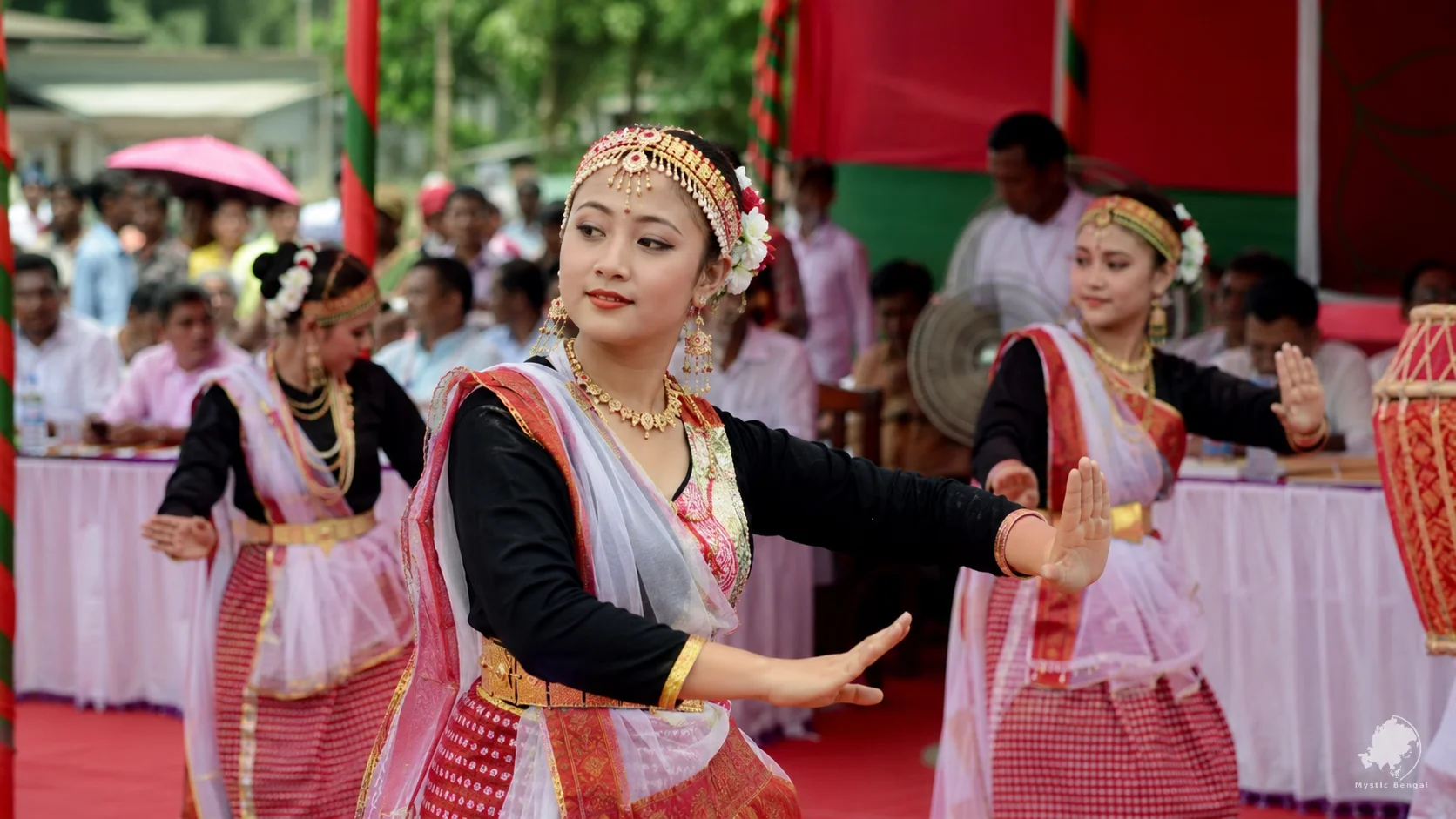
In the northeast, the Garo, Khasi, and Manipuri communities add another layer of cultural richness. Garo society is well known for matrilineal heritage and the Wangala harvest festival. Khasi villages in Sylhet are often tied to betel leaf gardens and a distinctive village structure. Manipuri people in Sylhet and Moulvibazar are admired for classical dance, handloom weaving, and elegant cultural traditions.
Santal, Munda, and Oraon
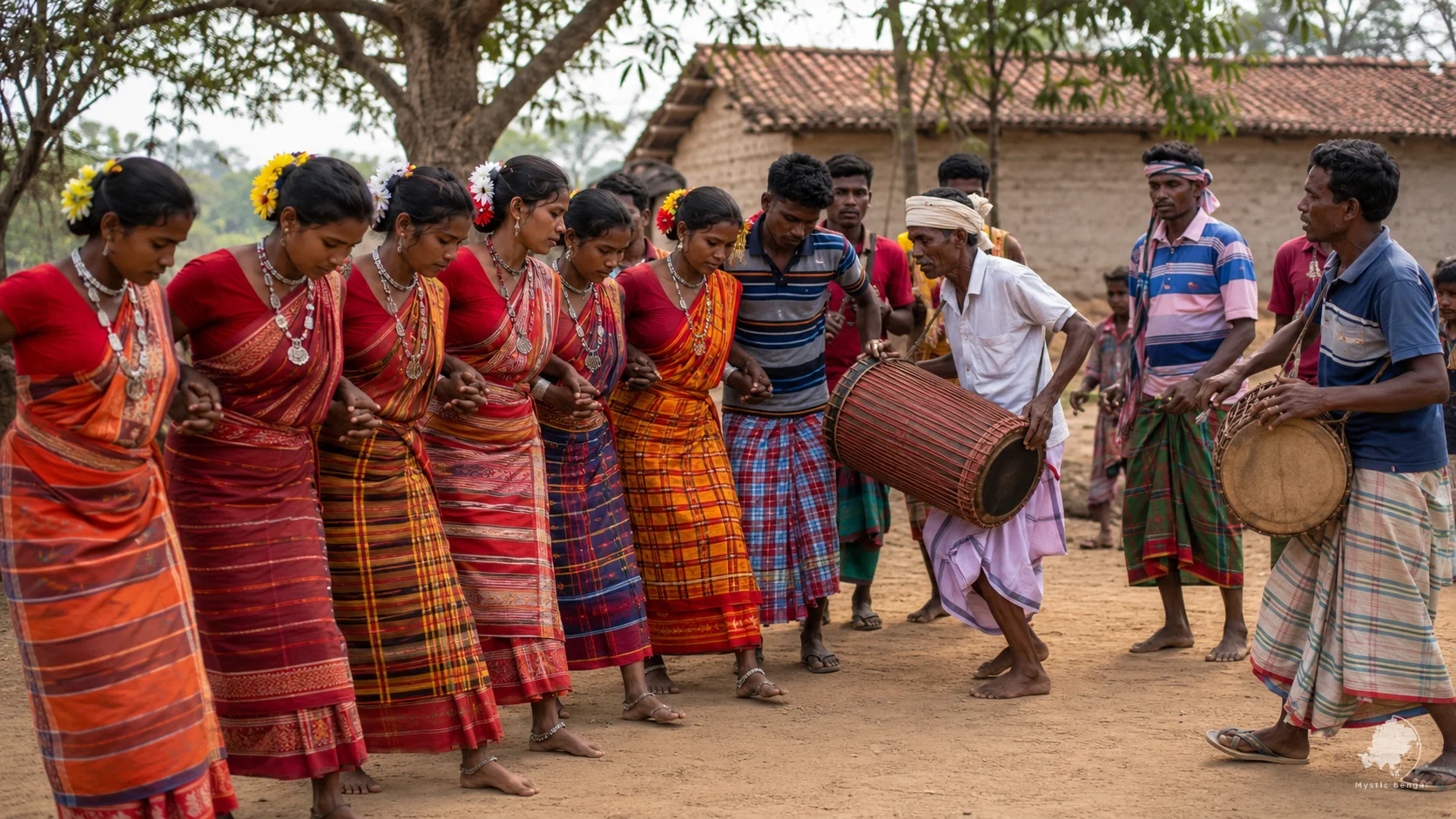
In the northern plains and tea garden areas, Santal, Munda, and Oraon communities preserve vibrant folk music, dance, and agricultural customs. Their festivals, oral history, and strong community life are important parts of the cultural landscape of northern Bangladesh.
If you are interested in hill culture, you can also explore our Chittagong Hill Tracts Tour.
Where the Ethnic Minority Communities Live
- Chittagong Hill Tracts: Rangamati, Bandarban, and Khagrachhari
- Sylhet and Moulvibazar: Khasi, Manipuri, Garo, and tea garden communities
- Mymensingh belt: Garo, Hajong, Koch, and others
- Northern Bangladesh: Santal, Oraon, Munda, Mahato, and related communities
- Southwest and coastal areas: Munda and other small communities facing environmental change
For travelers, these regions offer very different landscapes. The hills feel calm and green, Sylhet is lush and tea-rich, and the northern plains have a strong rural rhythm. A good itinerary can combine culture, nature, and local life.
Languages and Religion
Bangla is the national language, but many ethnic groups of Bangladesh speak their own mother tongues, including Chakma, Marma, Garo, Khasi, Santali, Manipuri, Mro, Bawm, and others. These languages carry songs, memories, stories, and community knowledge.
Religious identity also varies widely. Many Chakma and Marma people are Buddhist, many Garo and Khasi people are Christian, and other communities may follow Hindu, Christian, or Indigenous belief systems, often alongside local traditions.
For a background reference on the country, the Banglapedia and Britannica entries on Bangladesh are useful starting points.
Festivals, Food, Dress, and Daily Life
The best way to understand the ethnic groups of Bangladesh is through everyday life. Traditional dress, handwoven textiles, music, food habits, and festivals show how deeply communities are tied to place and memory.
- Biju: Chakma New Year celebration with family visits and water rituals
- Sangrai: Marma New Year festival with music, dance, and Buddhist traditions
- Boisuk: Tripura New Year festival with food and cultural performances
- Wangala: Garo harvest festival with drums, dance, and thanksgiving
- Manipuri Rash: A graceful festival of dance and devotion in Moulvibazar
Food also reflects local environments. In hill areas, visitors may find bamboo shoots, local vegetables, rice, dry fish, and herbs. Clothing is equally important, especially handloom garments and woven designs that represent identity and tradition.
Travel Tips for Visiting Ethnic Communities
- Always ask before taking photos in villages, temples, or festivals.
- Dress modestly, especially in rural areas and religious places.
- Use a local guide when visiting remote hill communities.
- Respect privacy and do not treat villages like performance spaces.
- Buy handicrafts directly from local makers when possible.
- Check permit and access rules before visiting the Chittagong Hill Tracts.
If you want a structured trip with local insight, explore our Bangladesh Guided Tour Operator page or contact us through the contact page.
Why This Diversity Matters
Ethnic diversity is a central part of Bangladesh’s national story. These communities preserve languages, ecological knowledge, architecture, farming methods, and artistic traditions that make the country much richer than a single cultural narrative. For travelers, this means Bangladesh offers more than cities and rivers; it also offers living cultures that deserve respect and attention.
To continue planning your trip, you may also like our Best Places to Visit in Bangladesh guide and the Bangladesh Highlights Expedition.
FAQs
Are the ethnic groups of Bangladesh the same as Bengali people?
No. Bengali people are the majority population, while ethnic groups of Bangladesh include many distinct communities with their own identities, languages, and traditions.
Can foreign travelers visit Indigenous villages?
Yes, in many places they can, but visitors should travel respectfully, check local rules, and use a guide when needed. Some hill areas may require permits.
What is the best region to see ethnic diversity in Bangladesh?
The Chittagong Hill Tracts are the most famous region for ethnic diversity, while Sylhet, Mymensingh, and the northern districts also offer excellent cultural experiences.
Is it respectful to call these communities tribal?
The term is used in some contexts, but many people prefer their own community names or the term Indigenous peoples. When in doubt, use the specific name of the community.
Plan a Respectful Cultural Journey
If you want to explore Bangladesh beyond the usual route, Mystic Bengal can help you plan a responsible cultural itinerary focused on communities, landscapes, and local life.
See our Chittagong Hill Tracts day tours or contact us for a custom plan.
Tour Packages That Include This Place

Ethnic Groups of Bangladesh
Indigenous Peoples in Bangladesh
Bangladesh Culture
Ethnic Minorities
Travel Bangladesh
Bangladesh Travel Blog, Bangladesh history, UNESCO sites, archaeological sites — all you need to know
Things to Do in Dhaka: A Complete City GuideSundarbans National Park: Wildlife, Mangroves, and Fishing VillagesDhaka to Chittagong Train Guide 202615 Best Places to Visit in Bangladesh on Your TourTraditional Food of BangladeshBest place to buy souvenir in DhakaBangladesh Visa on Arrival 2026Bangladesh Travel Tips for First-Time VisitorsPanam Nagar (পানাম নগর) : An Abandoned Hindu City from the 19thBangladesh People: Exploring Ethnicity and CultureBangladesh Tour PackagesBest Places for Photography in Dhaka!Ahsan Manzil (Pink Palace), the Residence of a Feudal LandlordTop 15 New & Old Dhaka Tourist AttractionsExplore Lalbagh Fort: Dhaka's Mughal MasterpieceIs Bangladesh Safe to Travel?Ship Breaking Yard Bangladesh: Inside the World's Steel GraveyardBangladesh Wildlife TourArmenian Church Dhaka: A Timeless Landmark in Old DhakaNational Parliament of Bangladesh: Visiting Jatiya Sangsad Bhaban in DhakaSt Martin Island Bangladesh Travel GuideJaflong Sylhet & Lalakhal: Bangladesh’s Emerald EscapeTea Garden in Bangladesh: Sylhet’s Green HillsVillage Bangladesh: Rural Beauty and Village LifeDhakeshwari Temple Dhaka: History and Visitor GuideEid in Bangladesh: Eid ul Fitr 2026 Travel GuidePlaces to Visit in Chittagong: Best Attractions & Travel GuideBangladesh Tour Package for ForeignersBangladesh Itinerary for 7 DaysIs Bangladesh Worth Visiting? Honest Travel GuideLuxury Bangladesh TourPrivate Tour in BangladeshShakhari Bazar / Hindu Street in DhakaEthnic Groups of Bangladesh: Culture & DiversityIs Cox's Bazar Worth Visiting?Cox's Bazar Travel Guide for Foreign TravelersRenting a House in Dhaka, Bangladesh as a Foreigner: The Complete 2026 GuideBangladesh Sylhet Tea Garden