Bangladesh Wildlife Tour: Sundarbans, Birds, Dolphins, Deer and Forest Adventures
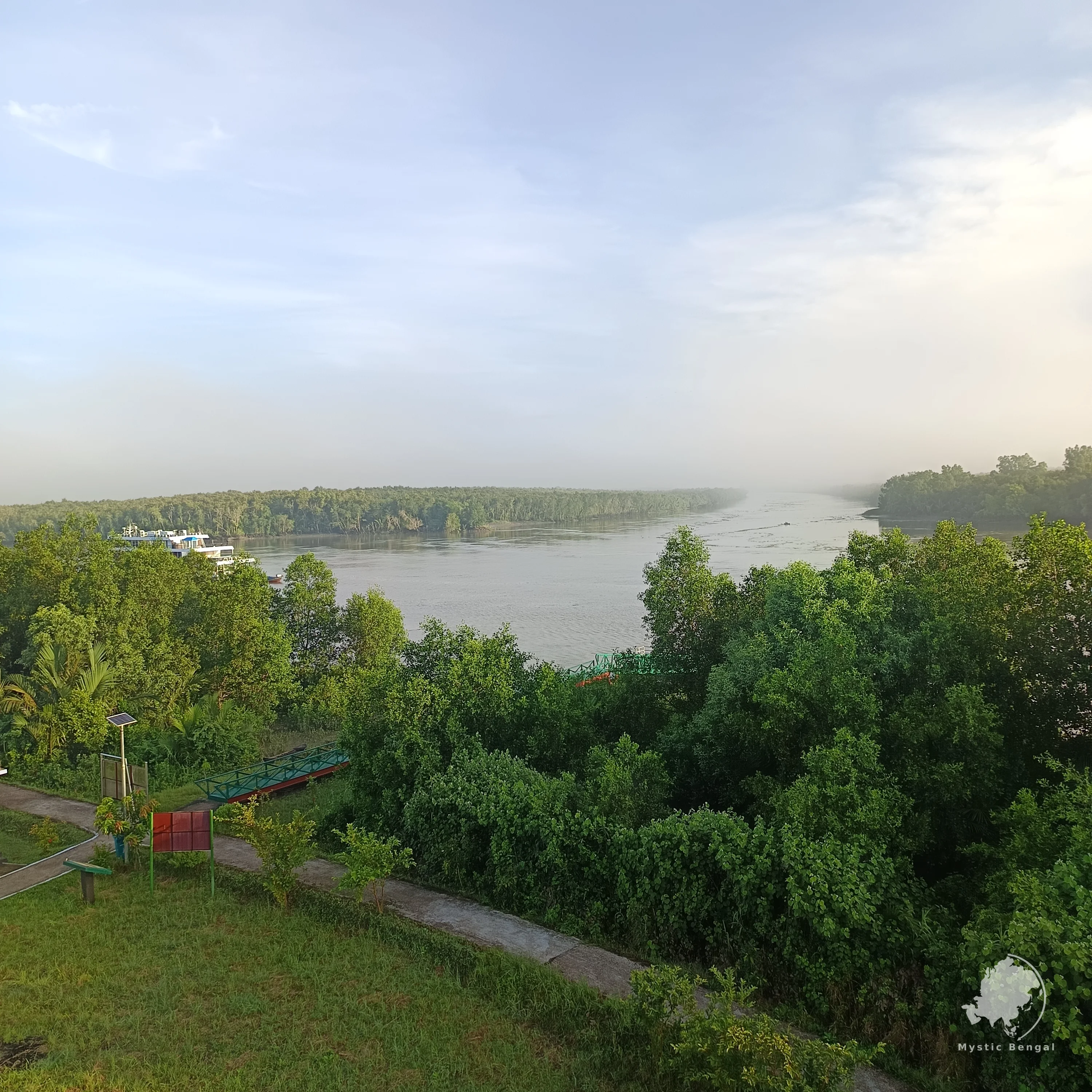
Bangladesh may not be the first country that comes to mind for wildlife travel, but for nature-loving visitors, it offers a very different kind of wilderness experience. A Bangladesh wildlife tour is not about luxury safari jeeps or crowded national parks. It is about quiet mangrove canals, river dolphins, spotted deer, crocodiles, forest birds, tea garden landscapes, and tropical forest walks.
For Western and European travelers who enjoy nature, photography, birds, forests, and responsible travel, Bangladesh can be a surprisingly rewarding wildlife destination. The country’s wildlife experiences are raw, peaceful, and still far less commercial than many famous wildlife destinations in Asia.
The two most important places for a Bangladesh wildlife tour are the Sundarbans Mangrove Forest and Lawachara National Park near Sreemangal. Together, they show two very different natural worlds: tidal mangrove wilderness in the southwest and semi-evergreen tropical forest in the northeast.
Why Choose a Bangladesh Wildlife Tour?
A Bangladesh wildlife tour is ideal for travelers who want nature without mass tourism. The experience is slower, quieter, and more atmospheric than a typical safari. Instead of rushing from one famous animal sighting to another, you travel by boat, walk through forest trails, listen to birds, watch river life, and experience ecosystems that are deeply connected to local communities.
- Nature lovers
- Birdwatchers
- Wildlife photographers
- Responsible travelers
- Soft adventure travelers
- River and forest lovers
- Travelers interested in conservation
- Visitors looking for less-touristy experiences
The wildlife experience in Bangladesh is not always predictable. You may not see every animal you hope for, and tiger sightings in the Sundarbans are very rare. But the atmosphere, biodiversity, landscapes, and sense of wilderness make the journey unforgettable.
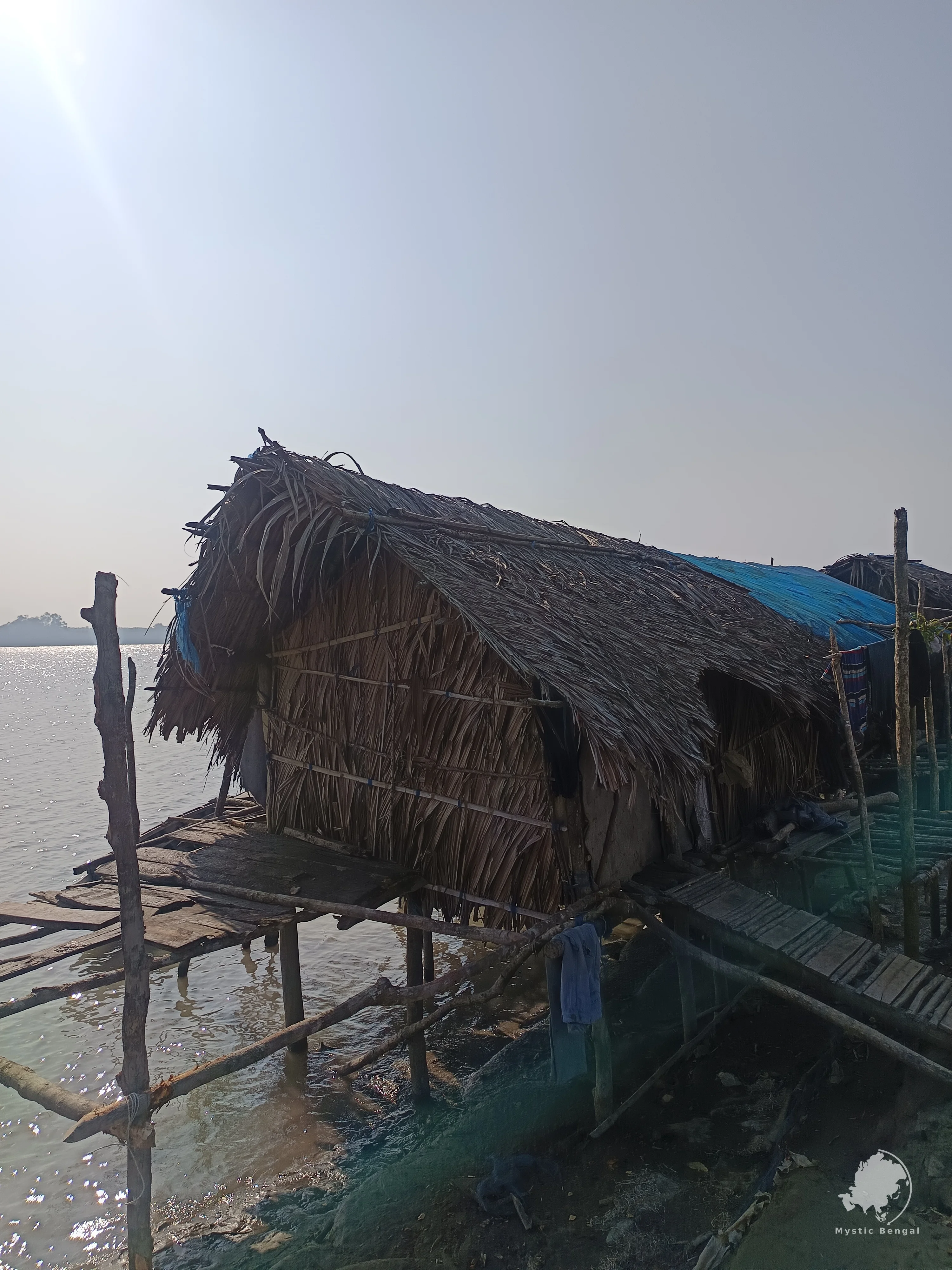
Sundarbans: The Heart of a Bangladesh Wildlife Tour
The Sundarbans is the most important wildlife destination in Bangladesh. UNESCO describes the Sundarbans Reserve Forest as the largest contiguous mangrove forest in the world, spread across Bangladesh and India, with about 60% of the property in Bangladesh. It is internationally recognized for its high biodiversity across land, water, and marine habitats. UNESCO World Heritage Centre.
The Sundarbans is a maze of rivers, creeks, islands, mudflats, mangrove trees, and tidal channels. Unlike many wildlife destinations where travelers move by road, here the journey happens mostly by boat. This makes the experience quiet, slow, and deeply connected to water.
A Sundarbans wildlife tour may include:
- Small boat cruising through rivers and canals
- Silent wooden rowboat trips in narrow creeks
- Early morning birdwatching
- Forest walks with local guide and forest guards
- Wildlife watching from the boat
- Visits to forest stations
- Dolphin watching in river channels
- Beach and mudflat walks in selected areas
The Bangladesh Forest Department’s Sundarbans tourism information highlights wildlife-focused tours using small ships or boats, traditional wooden rowing boats, guided forest trails, and ranger support. Bangladesh Forest Department tourism package.
Wildlife You May See in the Sundarbans
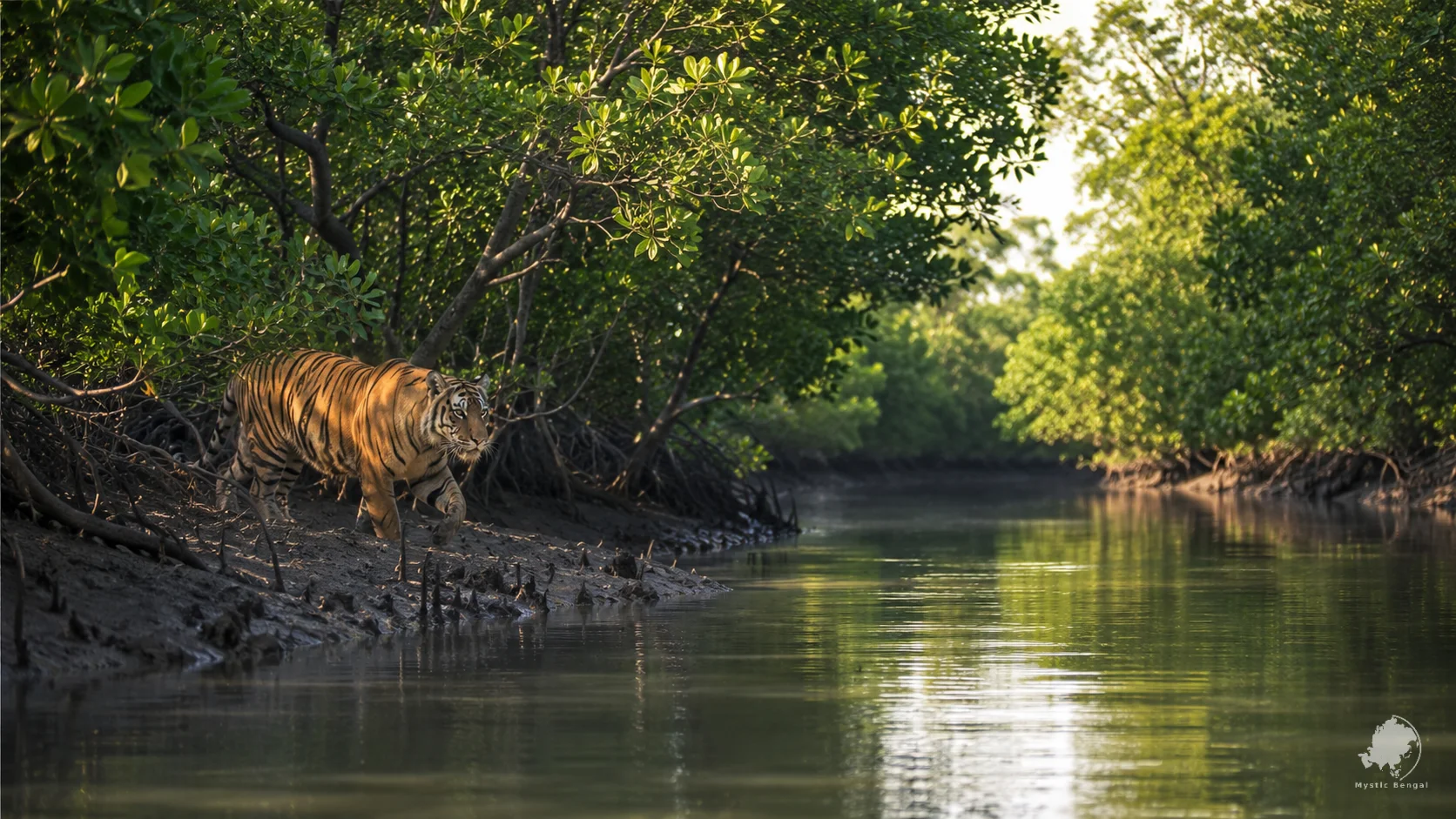
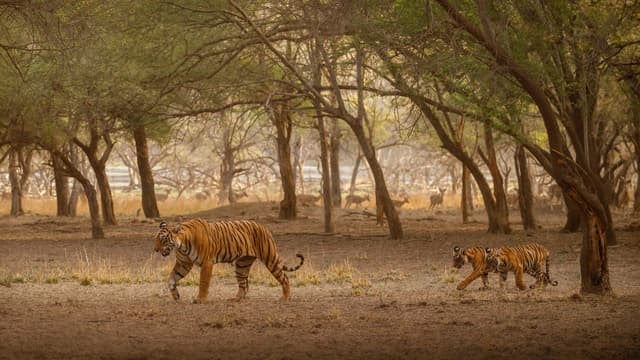
The Sundarbans is famous for the Royal Bengal tiger, but visitors should understand that tiger sightings are rare. The forest is dense, tidal, and wild. A responsible operator should never promise tiger sightings.
However, there are many other wildlife experiences that are more realistic and still very rewarding.
Spotted Deer
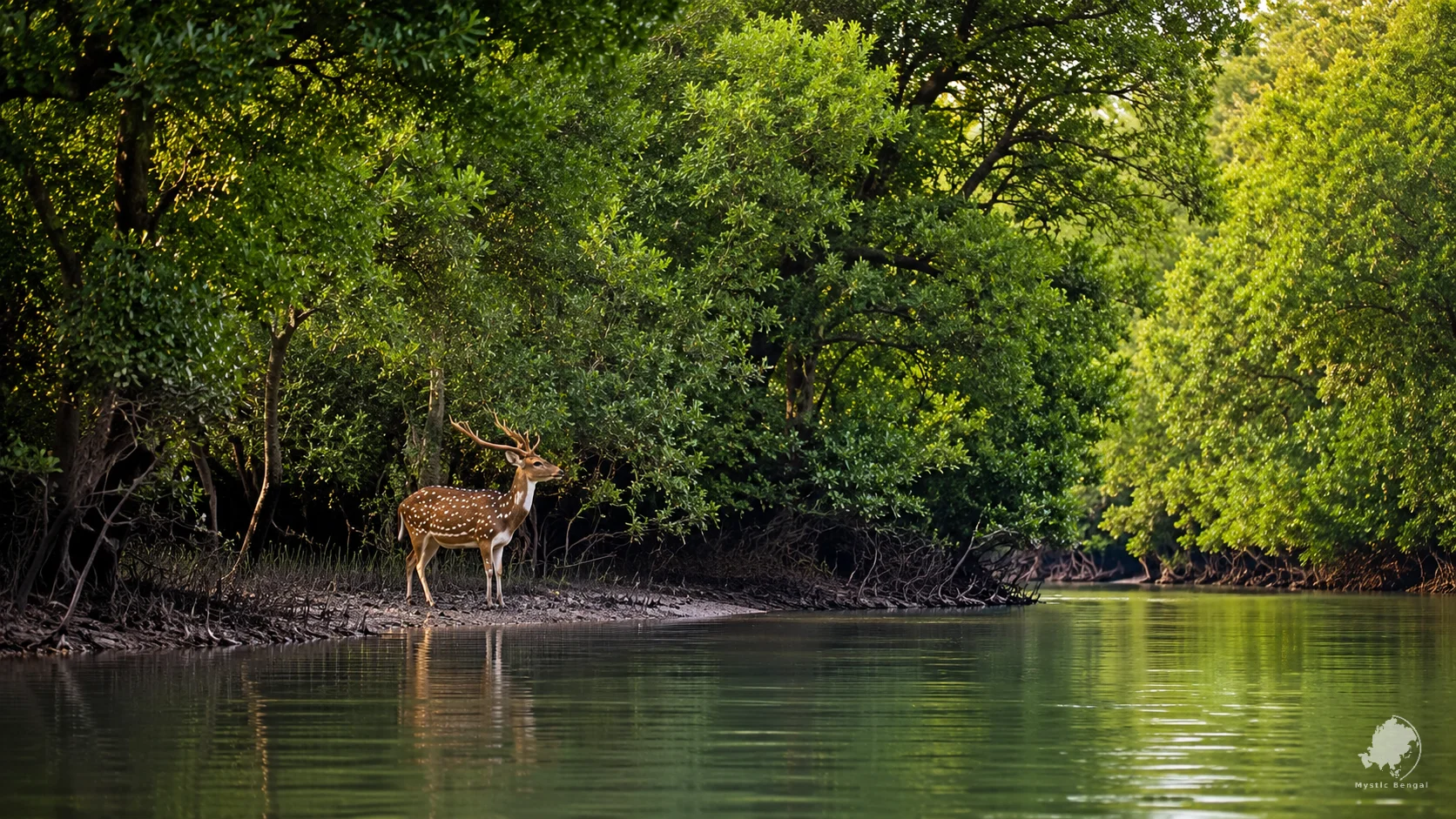
Spotted deer are among the most commonly seen animals in the Sundarbans. They are often seen near riverbanks, forest edges, and open grassy areas. For many travelers, watching deer move quietly through the mangrove forest is one of the most beautiful moments of the trip.
Crocodiles and Reptiles
The Sundarbans is also home to estuarine crocodiles and many reptiles. UNESCO notes the Sundarbans’ importance for globally endangered species, including estuarine crocodiles and river terrapins. UNESCO World Heritage Centre.
Crocodile sightings depend on timing, location, tide, and luck. Sometimes they are seen resting near muddy banks or moving through the water.
River Dolphins
The waterways of the Sundarbans are important for river dolphins. WCS Bangladesh notes that the waterways of the world’s largest mangrove forest are home to Ganges River dolphins and Irrawaddy dolphins. WCS Bangladesh.
Dolphin watching in Bangladesh is very different from ocean dolphin tours. These sightings are often brief and natural. You may see a dolphin surface quickly in the river before disappearing again.
Birds of the Sundarbans
Birdwatching is one of the strongest reasons to visit the Sundarbans. UNESCO notes that birdlife along the waterways is one of the property’s greatest attractions, including waterfowl, raptors, forest birds, kingfishers, and the white-bellied sea eagle. UNESCO World Heritage Centre.
For bird lovers, early morning and late afternoon are usually the best times. A quiet boat, patient guide, and slow movement through small canals can make the experience much better.
Royal Bengal Tiger
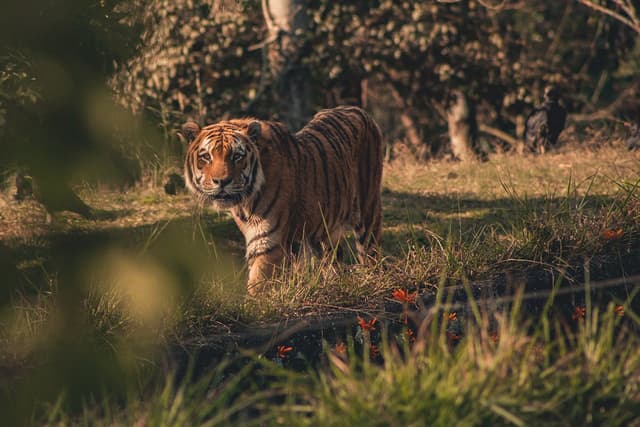
The Royal Bengal tiger is the most famous animal of the Sundarbans, but visitors should approach this with realistic expectations. The Sundarbans is tiger habitat, but it is not like an open safari park. The forest is dense, and sightings are extremely rare.
A responsible Bangladesh wildlife tour should focus on the whole ecosystem, not only the tiger. The real beauty of the Sundarbans is the complete wilderness: rivers, mangroves, birds, deer, dolphins, crocodiles, silence, and remote forest atmosphere.
Why Small Boats Are Better for Wildlife Viewing
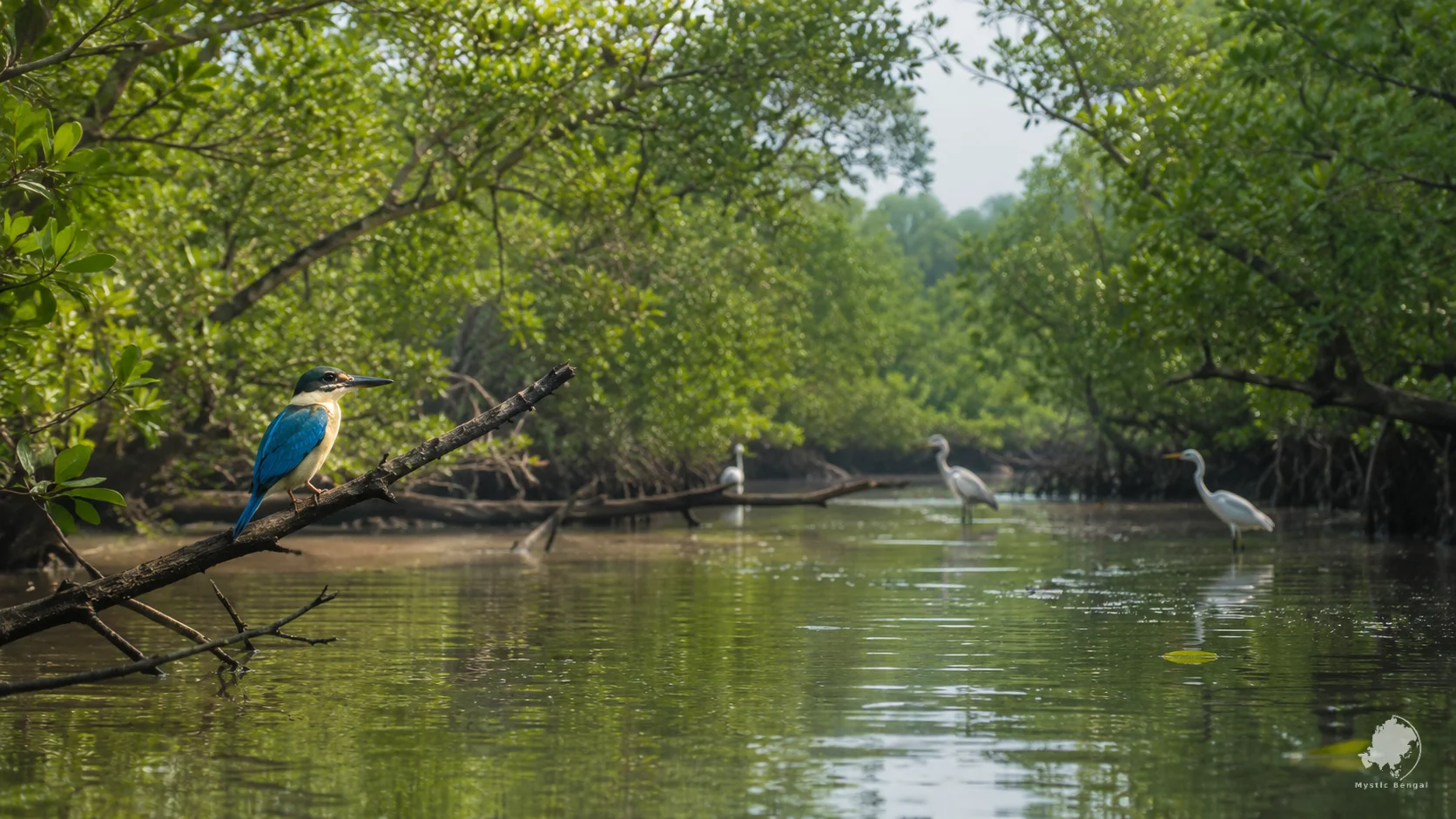
For a serious Sundarbans wildlife experience, small boats are usually better than large picnic-style vessels. Small boats can often enter narrower canals and quieter areas where larger boats cannot go easily.
Silent wooden rowboat trips are especially valuable because they reduce engine noise and create better chances for bird and wildlife observation. The Bangladesh Forest Department’s tourism information also mentions traditional wooden rowing boats for navigating creeks and channels during early mornings and evenings. Bangladesh Forest Department tourism package.
For foreign travelers, this is an important difference. A wildlife-focused Sundarbans tour should not feel like a loud river picnic. It should be quiet, slow, respectful, and nature-focused.
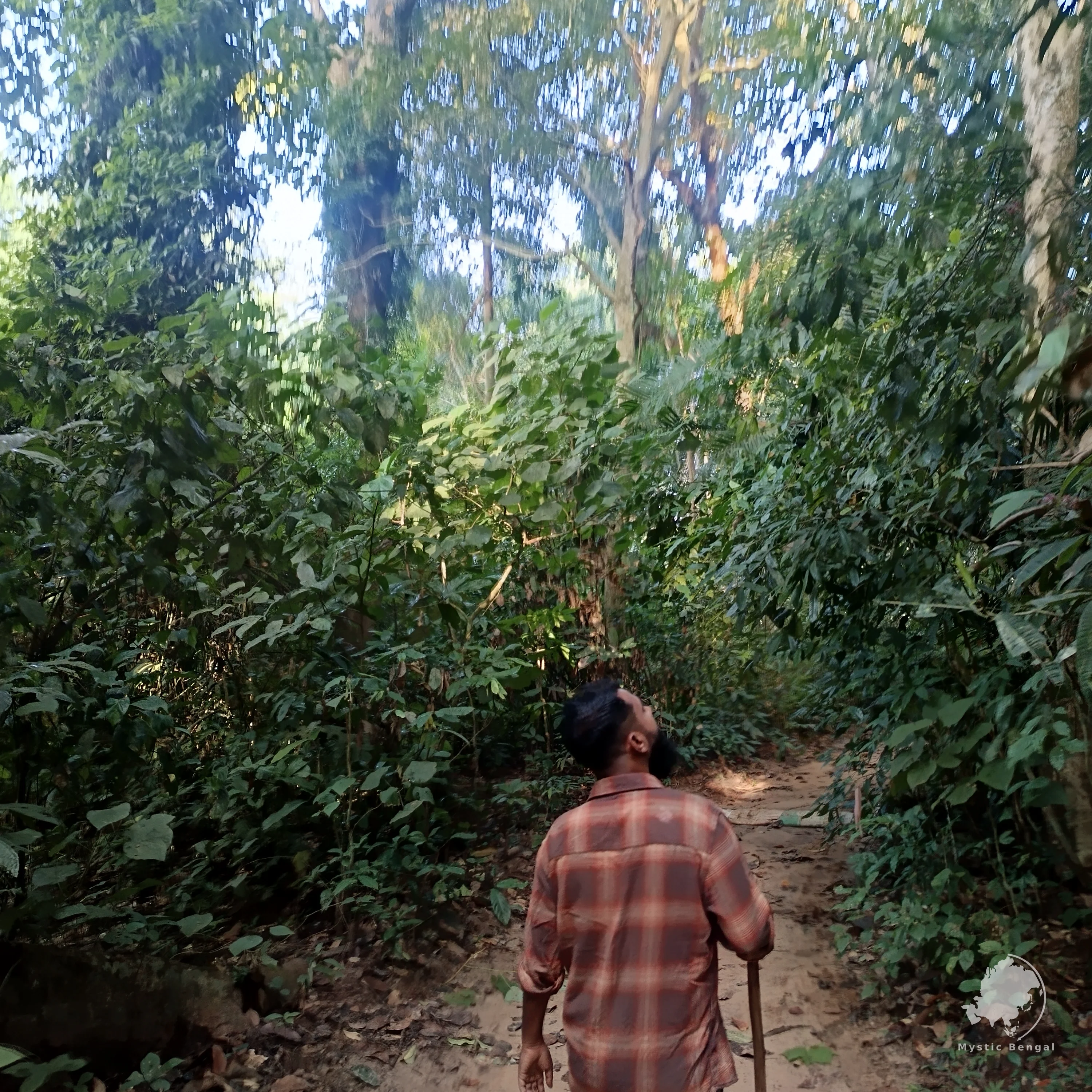
Lawachara National Park: Forest Wildlife Near Sreemangal
Lawachara National Park is another excellent destination for a Bangladesh wildlife tour. It is located near Sreemangal in northeastern Bangladesh and offers a completely different experience from the Sundarbans.
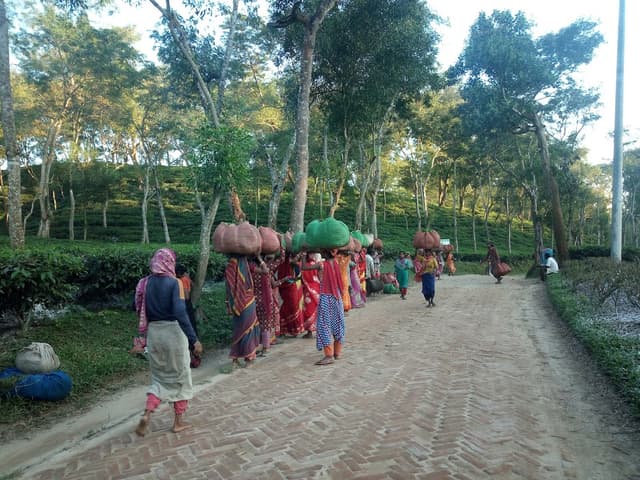
Instead of mangrove canals, Lawachara has tropical semi-evergreen forest, walking trails, tall trees, birds, primates, and nearby tea garden landscapes.
Nishorgo describes Lawachara as one of the best studied and most visited protected areas in Bangladesh. The park covers approximately 1,250 hectares of semi-evergreen tropical forest and is known for primates, including the Western Hoolock Gibbon, the only ape found in Bangladesh. Nishorgo.
Wildlife in Lawachara National Park
Lawachara is a good place for travelers who enjoy walking, birdwatching, forest sounds, and primates. Wildlife sightings depend on time, silence, and luck, but the forest atmosphere itself is very rewarding.
- Western Hoolock Gibbon
- Capped Langur
- Phayre’s Leaf Monkey
- Northern Pig-tailed Macaque
- Forest birds
- Butterflies
- Reptiles
- Giant trees and bamboo areas
- Tea garden landscapes nearby
Nishorgo notes that Lawachara has high biodiversity, including amphibians, reptiles, birds, and mammals, and is especially important for the endangered Western Hoolock Gibbon. Nishorgo.
For the best experience, visitors should start early in the morning. This is when the forest is cooler, birds are more active, and primates may be easier to hear or see.
Sundarbans or Lawachara: Which Is Better?
Both places are excellent, but they offer different wildlife experiences.
The Sundarbans is best for mangrove wilderness, boat journeys, river dolphins, spotted deer, crocodiles, birds, and a remote forest feeling.
Lawachara is best for forest walks, primates, birds, tea garden scenery, and a softer nature experience close to Sreemangal.
For a complete Bangladesh wildlife tour, combining both is ideal. Travelers can experience the waterways of the southwest and the green forests of the northeast in one journey.
Responsible Wildlife Viewing in Bangladesh
Responsible travel is very important in Bangladesh’s wildlife areas. These places are not only tourist attractions. They are living ecosystems and, in many areas, local communities depend on nearby natural resources.
- Do not feed wildlife.
- Keep noise low in the forest.
- Use silent boats where possible.
- Do not throw plastic or waste into rivers or forests.
- Respect forest guards and local regulations.
- Do not pressure guides to chase animals.
- Keep a safe distance from wildlife.
- Avoid flash photography with animals.
- Support local guides and responsible operators.
- Accept that wildlife sightings are never guaranteed.
A good wildlife tour is not about disturbing animals for a photo. It is about observing nature respectfully.
Best Time for a Bangladesh Wildlife Tour
The best time for a Bangladesh wildlife tour is generally from October to March, when the weather is cooler and more comfortable for foreign travelers. This period is also better for forest walks, boat trips, photography, and long travel days.
The Sundarbans can be hot and humid outside the cooler season. Travel rules may also change depending on forest department restrictions, weather, and conservation needs, so it is important to check the current situation before booking.
For Lawachara and Sreemangal, the green season can be beautiful, but rain may affect walking trails. Winter months are more comfortable for most Western and European travelers.
Suggested Bangladesh Wildlife Tour Itinerary
5-Day Short Wildlife Tour
- Day 1: Arrival in Dhaka
- Day 2: Fly or drive toward Khulna/Mongla
- Day 3: Sundarbans boat cruise and forest experience
- Day 4: Sundarbans wildlife viewing and return
- Day 5: Dhaka departure
7-Day Wildlife and Nature Tour
- Day 1: Arrival in Dhaka
- Day 2: Old Dhaka and local river life
- Day 3: Travel to Bagerhat and Mongla
- Day 4: Sundarbans wildlife cruise
- Day 5: Sundarbans canals, birds, deer, dolphins
- Day 6: Return to Dhaka
- Day 7: Departure
10-Day Complete Wildlife Tour
- Day 1: Arrival in Dhaka
- Day 2: Old Dhaka and Sonargaon
- Day 3: Travel to Bagerhat and Mongla
- Day 4: Sundarbans wildlife cruise
- Day 5: Sundarbans deep forest experience
- Day 6: Return to Dhaka
- Day 7: Travel to Sreemangal
- Day 8: Lawachara National Park and tea gardens
- Day 9: Village, nature, and birdwatching experience
- Day 10: Return to Dhaka and departure
Travel Tips for Foreign Visitors
- Wear light, breathable clothing and bring a hat, sunglasses, and sunscreen.
- Use insect repellent, especially near forested and humid areas.
- Bring binoculars for birdwatching and a camera with a zoom lens if possible.
- Pack a small rain jacket or poncho during shoulder and monsoon seasons.
- Keep some cash for local purchases and tips, but book major services in advance.
- Drink bottled or purified water and avoid unnecessary rough street-food experiments if your stomach is sensitive.
- Dress modestly in rural and forest areas to stay comfortable and respectful.
- Travel with a knowledgeable English-speaking guide for permits, safety, and wildlife interpretation.
Why Book a Bangladesh Wildlife Tour with Mystic Bengal Tours?
A wildlife tour in Bangladesh needs careful planning. Boat quality, food hygiene, route selection, forest permits, local guides, safety, and timing all matter.
Mystic Bengal Tours helps foreign travelers experience Bangladesh’s wildlife destinations with comfort, honesty, and local support. We focus on private and small-group experiences that are suitable for Western and European guests.
A Bangladesh wildlife tour with Mystic Bengal Tours can include:
- Private transport
- English-speaking guide
- Sundarbans boat arrangement
- Forest permit support
- Local forest guide and guard coordination
- Clean meals during the tour
- Hotel arrangement
- Lawachara National Park visit
- Birdwatching and photography-friendly timing
- Responsible wildlife viewing guidance
- Flexible itinerary planning
We do not promise unrealistic animal sightings. Instead, we design wildlife tours that respect nature and give travelers the best possible chance to experience Bangladesh’s forests, rivers, birds, dolphins, deer, crocodiles, and wild landscapes.
Final Thoughts
A Bangladesh wildlife tour is perfect for travelers who enjoy nature in a quiet, authentic, and less-commercial way. The Sundarbans offers one of the world’s great mangrove wilderness experiences, while Lawachara National Park adds tropical forest, primates, birds, and tea garden scenery.
Bangladesh may not offer the easiest wildlife travel in Asia, but it offers something rare: nature that still feels raw, local, and deeply connected to real life.
For nature-loving foreign travelers, Mystic Bengal Tours can help plan a safe, responsible, and memorable Bangladesh wildlife tour through the Sundarbans, Lawachara National Park, and beyond.
Tour Packages That Include This Place
Bangladesh Wildlife Tour
Sundarbans
Lawachara National Park
Birdwatching
River Dolphins
Nature Travel
Responsible Tourism
Forest Tour
Bangladesh Travel Blog, Bangladesh history, UNESCO sites, archaeological sites — all you need to know
Things to Do in Dhaka: A Complete City GuideSundarbans National Park: Wildlife, Mangroves, and Fishing VillagesDhaka to Chittagong Train Guide 202615 Best Places to Visit in Bangladesh on Your TourTraditional Food of BangladeshBest place to buy souvenir in DhakaBangladesh Visa on Arrival 2026Bangladesh Travel Tips for First-Time VisitorsPanam Nagar (পানাম নগর) : An Abandoned Hindu City from the 19thBangladesh People: Exploring Ethnicity and CultureBangladesh Tour PackagesBest Places for Photography in Dhaka!Ahsan Manzil (Pink Palace), the Residence of a Feudal LandlordTop 15 New & Old Dhaka Tourist AttractionsExplore Lalbagh Fort: Dhaka's Mughal MasterpieceIs Bangladesh Safe to Travel?Ship Breaking Yard Bangladesh: Inside the World's Steel GraveyardBangladesh Wildlife TourArmenian Church Dhaka: A Timeless Landmark in Old DhakaNational Parliament of Bangladesh: Visiting Jatiya Sangsad Bhaban in DhakaSt Martin Island Bangladesh Travel GuideJaflong Sylhet & Lalakhal: Bangladesh’s Emerald EscapeTea Garden in Bangladesh: Sylhet’s Green HillsVillage Bangladesh: Rural Beauty and Village LifeDhakeshwari Temple Dhaka: History and Visitor GuideEid in Bangladesh: Eid ul Fitr 2026 Travel GuidePlaces to Visit in Chittagong: Best Attractions & Travel GuideBangladesh Tour Package for ForeignersBangladesh Itinerary for 7 DaysIs Bangladesh Worth Visiting? Honest Travel GuideLuxury Bangladesh TourPrivate Tour in BangladeshShakhari Bazar / Hindu Street in DhakaEthnic Groups of Bangladesh: Culture & DiversityIs Cox's Bazar Worth Visiting?Cox's Bazar Travel Guide for Foreign TravelersRenting a House in Dhaka, Bangladesh as a Foreigner: The Complete 2026 GuideBangladesh Sylhet Tea Garden