Tea Garden in Bangladesh: Sylhet’s Green Hills, History, and Tea Culture
If you dream of rolling green hills, mist drifting over endless rows of tea bushes, and a slow, fragrant cup of tea served in a peaceful rural setting, a tea garden in Bangladesh should be on your travel list. The country’s tea landscapes are more than scenic farmland—they are living cultural spaces where history, labor, hospitality, and nature blend into one unforgettable journey.
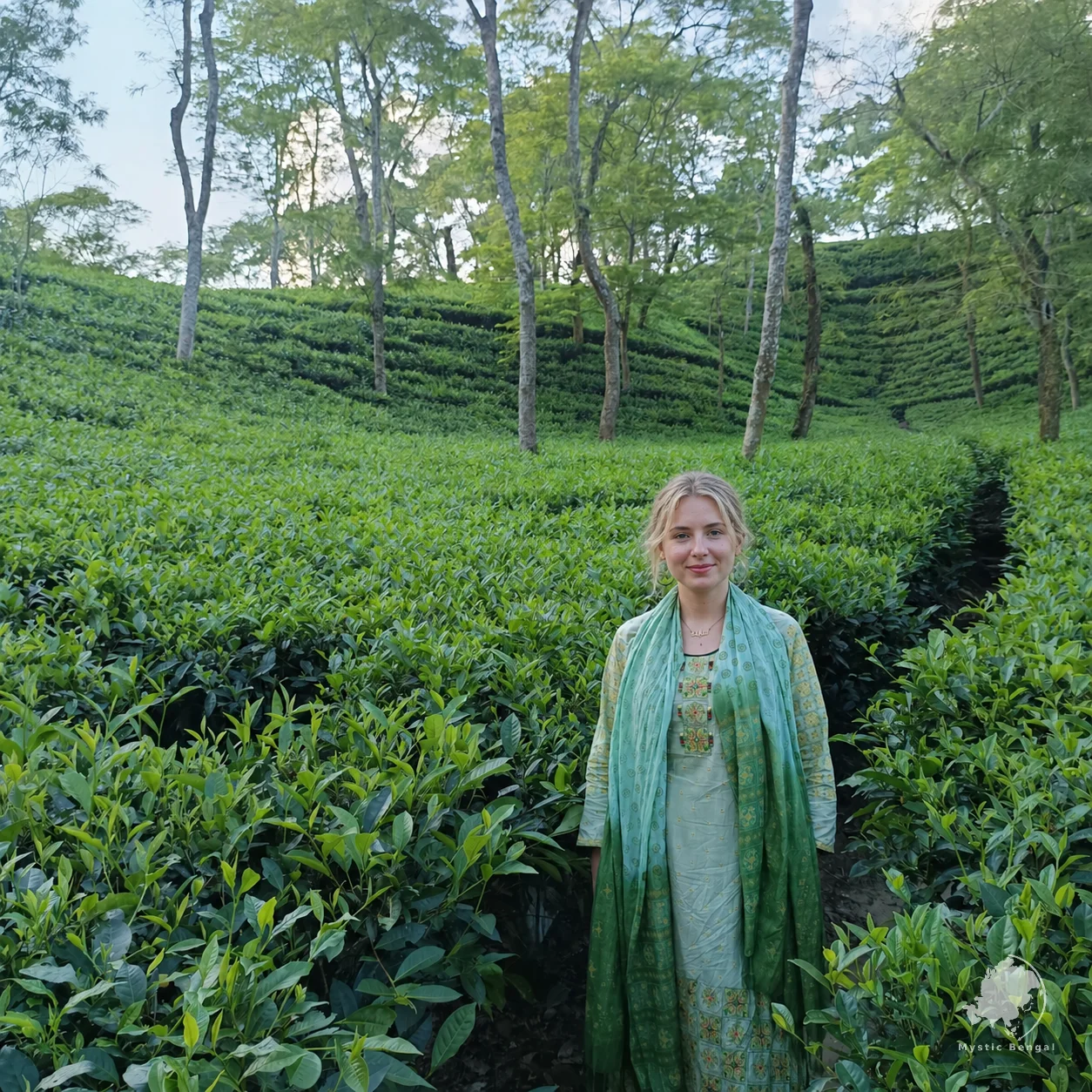
For international travelers and nature lovers, the most iconic destination is Sylhet. The moment you enter a bangladesh sylhet tea garden area, the view changes completely: soft hills, deep-green plantations, eucalyptus trees, small lakes, and tea workers moving through the fields with practiced rhythm. This is the essence of tea garden bd travel—beautiful, immersive, and deeply local.
Introduction to Tea Gardens in Bangladesh
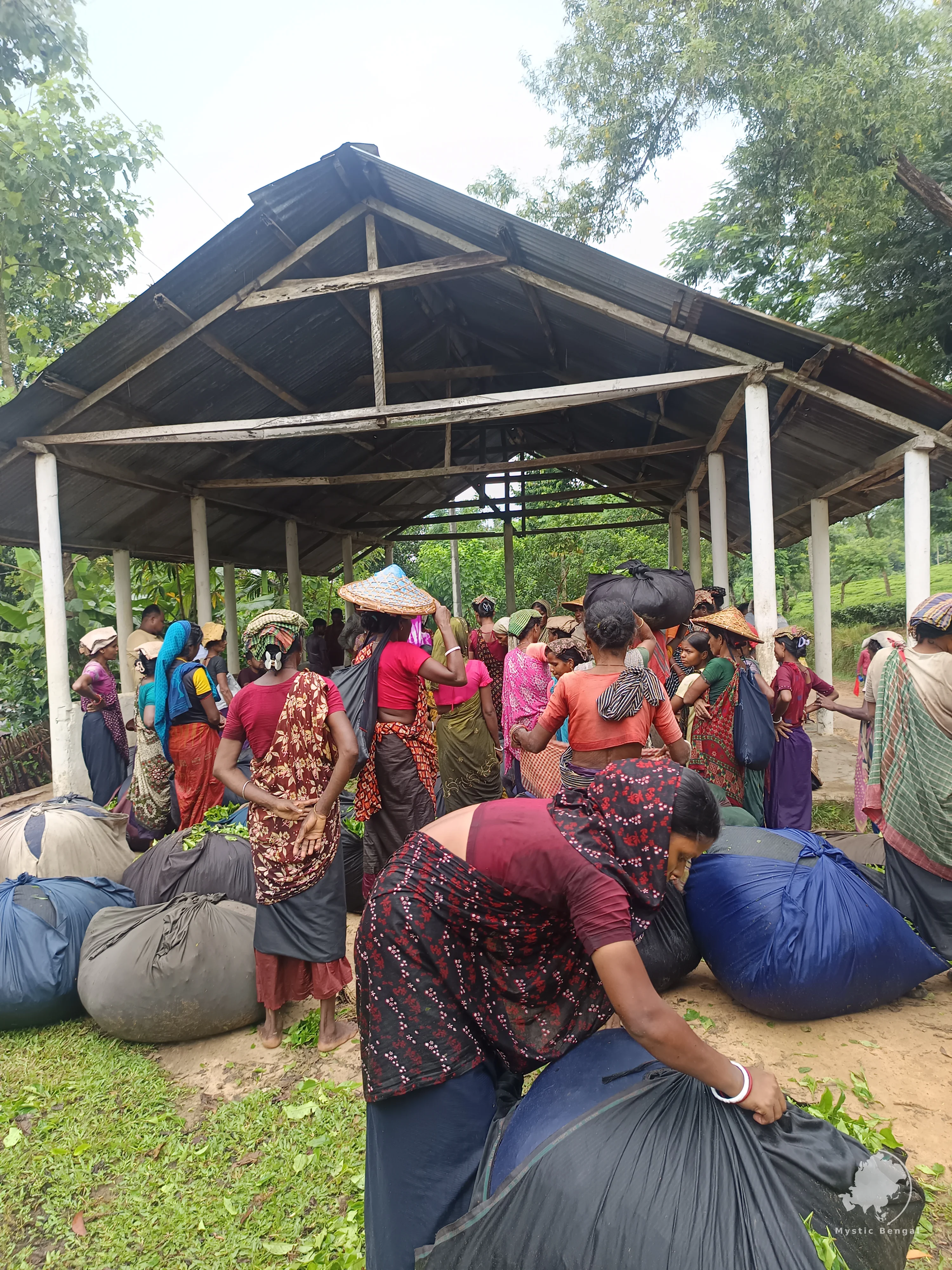
Tea gardens in Bangladesh are spread across the northeastern and southeastern regions, but the highest concentration and the most famous scenic routes are in Sylhet division. These plantations were developed during the colonial era and later expanded into a major agricultural and tourism asset. Today, tea estates are not just production areas; they are destinations for photography, cultural exploration, and relaxed eco travel.
Visiting a tea garden in Bangladesh gives travelers a rare chance to see a landscape that feels both romantic and real. The neat, patterned rows of tea plants create an almost painterly effect, while the surrounding villages and worker communities add warmth and human depth to the scenery.
History of Tea Cultivation in Bangladesh
Tea cultivation in this region began under British colonial influence in the 19th century. The cool climate, high rainfall, and fertile soil of Sylhet proved ideal for tea production. Over time, the industry grew into one of the country’s most recognizable agricultural sectors.
Bangladesh inherited tea estates, processing traditions, and plantation infrastructure from the colonial period, but the industry gradually became local in labor, identity, and culture. Today, the tea estates of the country continue to produce the leaves that support both domestic consumption and export markets. For a traveler, this history is visible in the plantation architecture, old bungalows, and the layout of the estates themselves.
Why Sylhet Is Famous for Tea Gardens
Sylhet is the heart of Bangladesh’s tea story. It is famous because of its climate, hilly terrain, and lush rainfall-fed environment, all of which are perfect for tea cultivation. The region offers some of the most photogenic plantation landscapes in South Asia, especially after rain when the hills glow in layered shades of green.
A bangladesh sylhet tea garden visit is also special because the area is rich in tourism variety. You can combine tea estates with rivers, waterfalls, rainforest views, and village life. That balance of natural beauty and accessible travel makes Sylhet one of the best destinations for slow travel in Bangladesh.
The character of tea garden bd scenery
The phrase tea garden bd captures more than agriculture—it suggests a complete travel mood. There are long, quiet roads through plantations, morning mist on the hills, workers carrying woven baskets, and roadside tea stalls where fresh chai is poured into small glass cups. It is serene, visual, and wonderfully photogenic.
Famous Tea Gardens in Sylhet
Sylhet and the wider Sreemangal area are home to several renowned tea estates. Some are famous for their beauty, others for their heritage, and many for the way they welcome visitors.
- Lawachara area estates – known for their proximity to forest landscapes and wildlife-rich surroundings.
- Madhabpur and Sreemangal plantations – ideal for classic tea-country views and relaxed day trips.
- Finlay and Malnichhera areas – among the names often associated with the region’s tea identity and heritage.
- Juri, Srimangal, and nearby hills – perfect for scenic drives and photography-focused travel.
If you are planning a dedicated tea trip, the Bangladesh Tea Plantation Tour in Sreemangal is one of the most relevant ways to explore the region with ease.
Scenic Beauty of Bangladesh Sylhet Tea Garden Areas
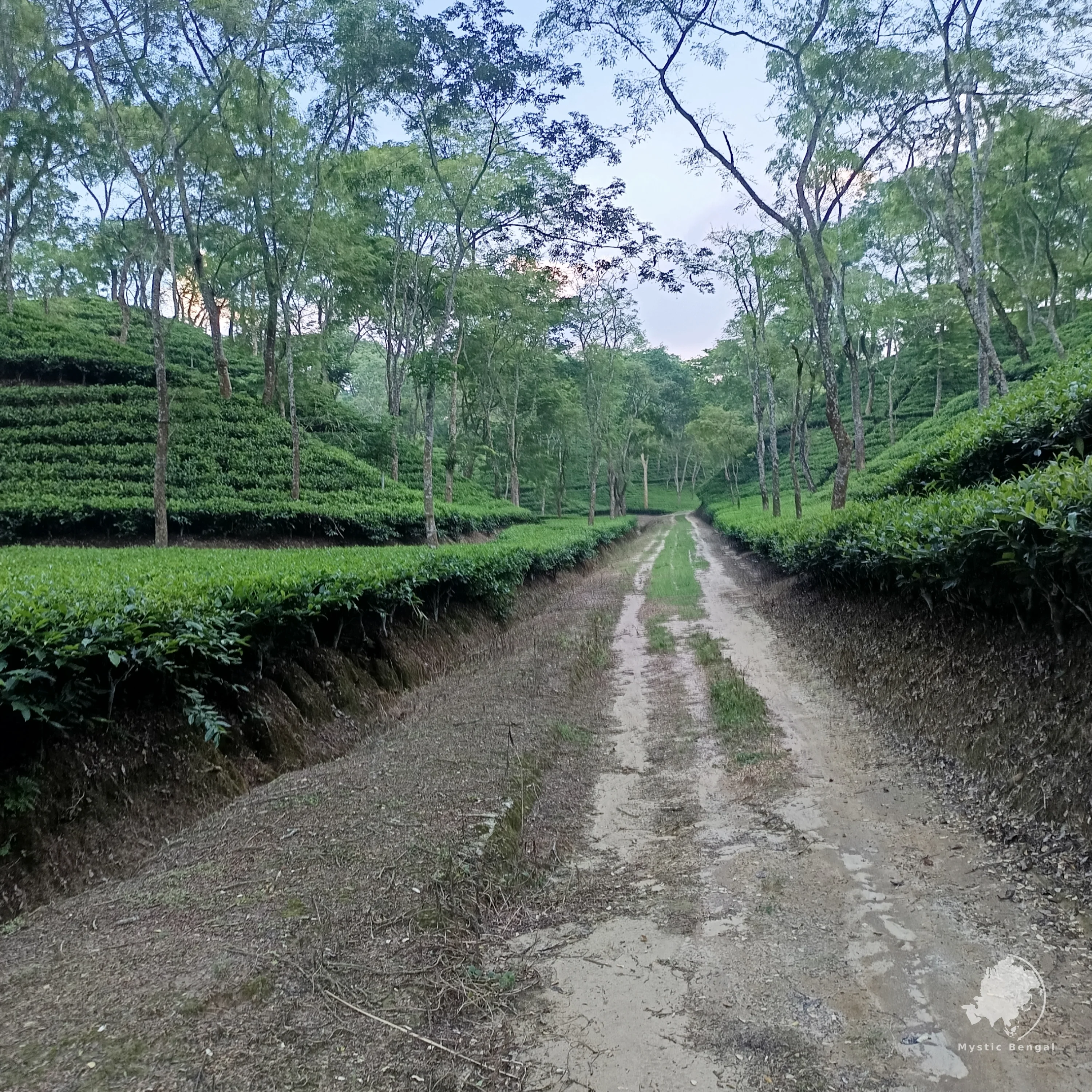
The scenic beauty of a bangladesh sylhet tea garden is unforgettable because of its layered landscape. Hills curve gently across the horizon, tea bushes form geometric patterns, and the sky often feels wider than usual. Early morning mist creates a dreamy atmosphere, while late afternoon light adds golden highlights to the green valleys.
In the monsoon and post-monsoon seasons, the plantations become especially lush. Streams run fuller, roadside vegetation turns brighter, and the entire region feels washed clean. For travelers who love landscapes, this is one of Bangladesh’s most rewarding visual experiences.
Best tea garden photography spots
Photography lovers will find endless inspiration in Sylhet. The best tea garden photography often comes from:
- High roadside viewpoints overlooking rolling plantation rows
- Curved plantation roads with leading lines
- Tea worker pathways during early morning light
- Hillside sections where mist settles after rain
- Panoramic viewpoints near lakes and forest edges
For travelers specifically interested in images and visual storytelling, the Bangladesh Photography Tour can pair tea gardens with other highly photogenic destinations in the country.
Tea Workers and Local Culture
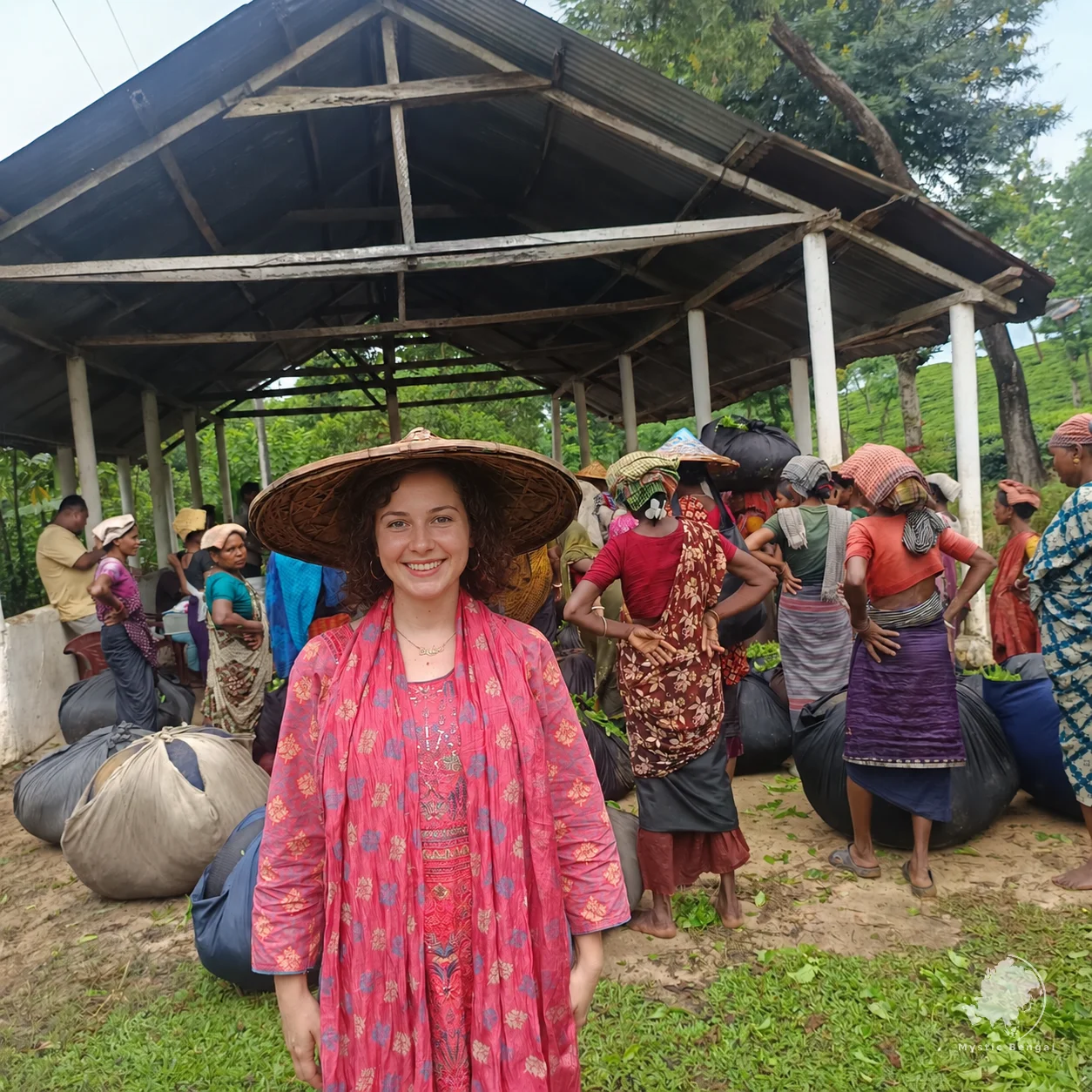
The tea gardens are also home to vibrant communities of tea workers whose daily lives shape the identity of the region. Many families have lived in plantation areas for generations, developing distinct traditions, songs, and cultural practices. Their labor is the living foundation of the tea industry.
Respectful travel matters here. When visiting, observe working areas carefully, ask before photographing people, and remember that tea plantations are living workplaces, not theme parks. A thoughtful visitor will leave with better stories, better photographs, and a deeper appreciation of Bangladesh’s tea culture.
If you want to learn more about people and local life in the country, you may also enjoy the Bangladesh People blog for broader cultural context.
Tea Tasting and Local Experiences
No tea garden in Bangladesh visit is complete without tasting fresh local tea. In Sylhet, chai is often served strong, sweet, and aromatic—sometimes with milk, sometimes black, and often enjoyed alongside biscuits, snacks, or breakfast dishes.
Travelers can also experience plantation-side meals, roadside tea stalls, and small local shops selling tea leaves and regional produce. A simple cup of tea in a quiet garden can become one of the most memorable parts of the trip.
- Try freshly brewed local milk tea
- Ask about specialty loose-leaf tea products
- Pair tea tasting with local breakfast items
- Visit nearby village markets for authentic everyday culture
Best Time to Visit Tea Gardens in Bangladesh
The best time to visit a tea garden in Bangladesh is usually from October to March, when the weather is cooler and travel is more comfortable. These months are ideal for sightseeing, photography, and long scenic drives.
If you prefer dramatic green landscapes, the monsoon season can also be beautiful, especially in Sylhet. However, rain may affect road conditions and visibility. For first-time travelers, the dry season is the easiest and most comfortable option.
How to Travel to Sylhet from Dhaka
Traveling from Dhaka to Sylhet is straightforward, and you have several options depending on your budget and schedule.
- By air: The fastest option, ideal for short trips and premium travelers.
- By train: A relaxed and scenic way to travel, especially for those who enjoy overland journeys.
- By road: Intercity buses and private vehicles offer flexibility, though travel time is longer.
For a smoother journey and locally guided experience, many travelers prefer booking through a trusted operator such as Bangladesh Guided Tour Operator or browsing the available Holiday Packages.
Lalakhal and Nearby Attractions Around Tea Gardens
One of the most beautiful additions to a tea-country itinerary is Lalakhal, known for its striking river colors and peaceful surroundings. It pairs very well with tea estate visits because it adds water scenery, boat travel, and a more diverse landscape to the trip.
Nearby, you can also explore forested areas, small hill viewpoints, and other natural attractions around Sylhet. This makes the region ideal for a two- or three-day travel plan, especially for travelers who want more than just a quick tea stop.
To explore more short trip ideas, see the Short and Day Tours page.
Luxury and Eco Tourism Experiences
Sylhet’s tea region is increasingly attractive for both luxury travelers and eco-conscious visitors. Boutique stays, heritage-style bungalows, nature lodges, and carefully designed resorts allow visitors to enjoy the tea landscape in comfort.
Eco tourism in tea regions often includes slow travel, responsible local dining, nature walks, and low-impact sightseeing. This style of travel is ideal for visitors who want privacy, quiet, and a deeper connection to the landscape.
- Stay in boutique tea-area accommodations
- Enjoy private guided plantation tours
- Combine tea estates with forest and river excursions
- Choose responsible operators and locally owned services
Travel Tips for Foreign Tourists
Foreign travelers usually find the tea regions welcoming and relatively easy to explore with advance planning. A few simple tips will improve the experience:
- Carry light rain protection, especially outside the dry season
- Wear comfortable shoes for walking on uneven plantation paths
- Bring mosquito repellent for evening outings
- Ask permission before photographing people, especially workers
- Keep some cash for small tea stalls and local shops
- Hire a local guide for better access and cultural insight
If you want to plan a broader Bangladesh itinerary, the Best Places to Visit in Bangladesh article can help you combine Sylhet with other destinations.
Responsible Tourism and Respecting Local Communities
Responsible tourism is essential in tea-growing areas. The beauty of a tea garden in Bangladesh depends on the land and the people who maintain it every day. Travelers should avoid littering, respect private and working spaces, and support local businesses whenever possible.
When you visit a bangladesh sylhet tea garden, remember that your presence should add value, not disturbance. Buy local products, tip fairly, and approach people with courtesy. This is the best way to enjoy tea garden bd travel while contributing positively to the destination.
Final Thoughts
Tea gardens in Bangladesh offer something rare: a combination of scenery, history, culture, and calm. From the classic plantation views of Sylhet to the river beauty of Lalakhal and the warmth of tea-worker communities, every part of the journey feels meaningful.
For international travelers seeking a nature-rich and culturally authentic experience, the tea gardens of Bangladesh are a beautiful choice. Whether you come for photography, tea tasting, eco travel, or pure scenic wonder, Sylhet will likely stay with you long after the trip ends.
To start planning, you can also explore the Contact page for tailored travel assistance.
FAQ: Tea Garden Travel in Bangladesh
What is the most famous tea garden region in Bangladesh?
Sylhet, especially the Sreemangal area, is the most famous tea garden region in Bangladesh.
Can foreign tourists visit tea gardens in Sylhet?
Yes, foreign tourists can visit many tea garden areas in Sylhet, usually as part of guided tours or day trips.
Is a tea garden in Bangladesh good for photography?
Absolutely. The hills, mist, patterned tea rows, and local life make it one of the best photography experiences in the country.
How many days should I spend in tea garden bd destinations?
Two to three days is ideal if you want to explore tea estates, Lalakhal, and nearby attractions at a relaxed pace.
Tour Packages That Include This Place
No Releated tour found
tea garden in bangladesh
bangladesh sylhet tea garden
tea garden bd
Sylhet travel
Sreemangal
Lalakhal
Bangladesh tea culture
eco tourism
photography tours
Bangladesh Travel Blog, Bangladesh history, UNESCO sites, archaeological sites — all you need to know
Things to Do in Dhaka: A Complete City GuideSundarbans National Park: Wildlife, Mangroves, and Fishing VillagesDhaka to Chittagong Train Guide 202615 Best Places to Visit in Bangladesh on Your TourTraditional Food of BangladeshBest place to buy souvenir in DhakaBangladesh Visa on Arrival 2026Bangladesh Travel Tips for First-Time VisitorsPanam Nagar (পানাম নগর) : An Abandoned Hindu City from the 19thBangladesh People: Exploring Ethnicity and CultureBangladesh Tour PackagesBest Places for Photography in Dhaka!Ahsan Manzil (Pink Palace), the Residence of a Feudal LandlordTop 15 New & Old Dhaka Tourist AttractionsExplore Lalbagh Fort: Dhaka's Mughal MasterpieceIs Bangladesh Safe to Travel?Ship Breaking Yard Bangladesh: Inside the World's Steel GraveyardBangladesh Wildlife TourArmenian Church Dhaka: A Timeless Landmark in Old DhakaNational Parliament of Bangladesh: Visiting Jatiya Sangsad Bhaban in DhakaSt Martin Island Bangladesh Travel GuideJaflong Sylhet & Lalakhal: Bangladesh’s Emerald EscapeTea Garden in Bangladesh: Sylhet’s Green HillsVillage Bangladesh: Rural Beauty and Village LifeDhakeshwari Temple Dhaka: History and Visitor GuideEid in Bangladesh: Eid ul Fitr 2026 Travel GuidePlaces to Visit in Chittagong: Best Attractions & Travel GuideBangladesh Tour Package for ForeignersBangladesh Itinerary for 7 DaysIs Bangladesh Worth Visiting? Honest Travel GuideLuxury Bangladesh TourPrivate Tour in BangladeshShakhari Bazar / Hindu Street in DhakaEthnic Groups of Bangladesh: Culture & DiversityIs Cox's Bazar Worth Visiting?Cox's Bazar Travel Guide for Foreign TravelersRenting a House in Dhaka, Bangladesh as a Foreigner: The Complete 2026 GuideBangladesh Sylhet Tea Garden