Eid in Bangladesh: Eid ul Fitr 2026
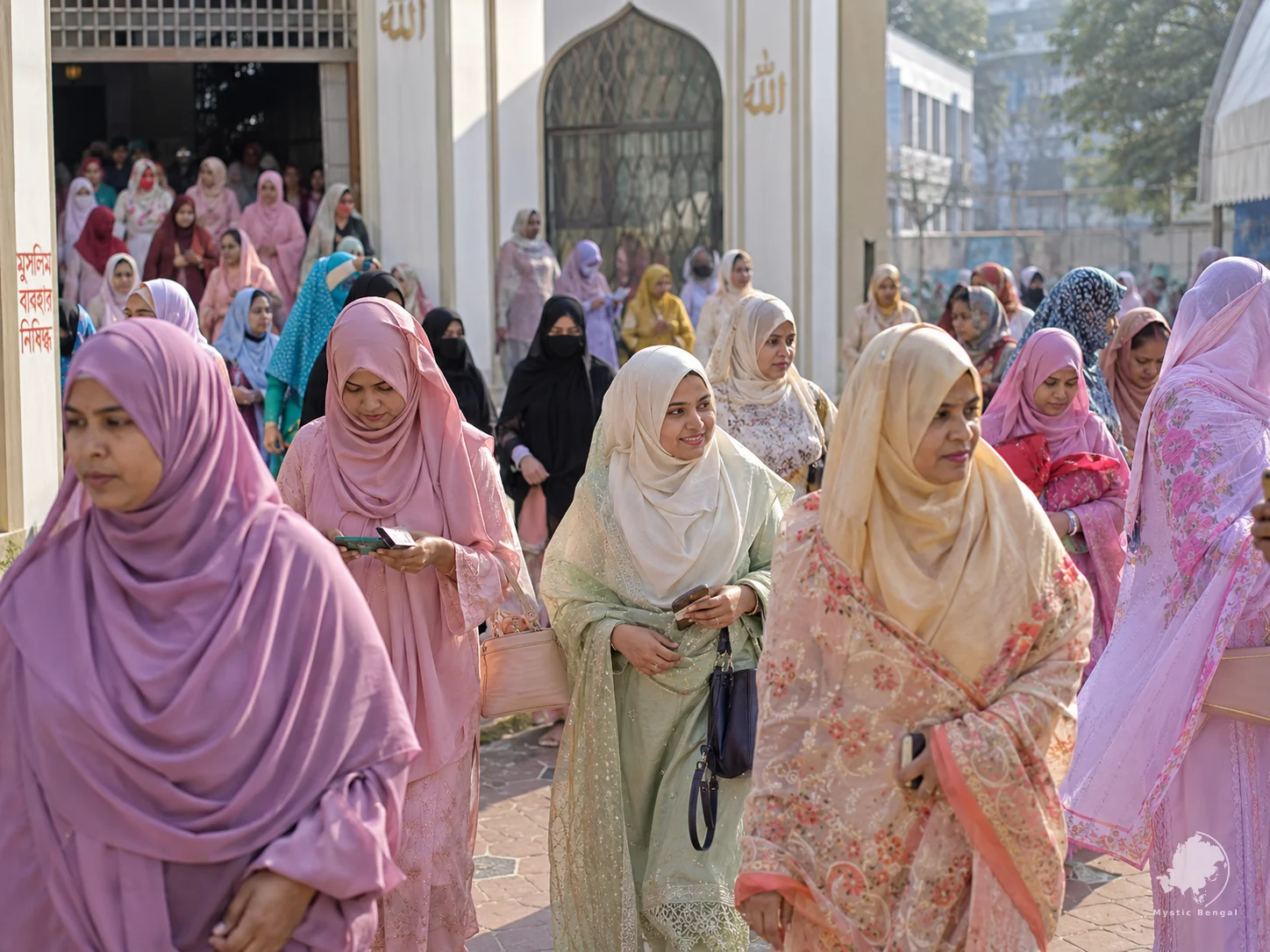
Eid in Bangladesh is not simply a holiday on the calendar. It is a homecoming, a prayer, a new dress folded carefully the night before, the fragrance of semai simmering in milk, and the sound of children running through courtyards with fresh notes of Eidi in their hands. For international travelers, experiencing Eid in Bangladesh offers a rare window into the emotional heart of Bangladeshi culture: family, generosity, faith, hospitality, food, fashion, and community life all unfolding together.
This guide explores both eid al fitr and eid al adha, including mosque culture, family traditions, traditional food, shopping in Dhaka, village and city experiences, travel rush realities, and practical advice for foreign visitors. If you are planning a cultural journey with Mystic Bengal, Eid can be one of the most memorable times to understand Bangladesh beyond monuments and landscapes.
What Is Eid al-Fitr?
Eid al-Fitr, also written locally as eid ul fitr, marks the end of Ramadan, the Islamic month of fasting. After a month of dawn-to-sunset fasting, prayer, self-discipline and charity, Eid al-Fitr arrives with relief, gratitude and celebration. In Bangladesh, many people call it Rozar Eid, meaning the Eid of fasting.
The day begins early. Families wake before sunrise, bathe, wear new or freshly pressed clothes, eat something sweet, and prepare for the Eid prayer. Men and boys often go to mosques or large open prayer grounds called Eidgahs, while women may pray at home or attend designated prayer spaces depending on the family and local community. A charitable donation called Zakat al-Fitr or Fitra is given before prayer so that poorer families can also celebrate with dignity.
Eid ul Fitr 2026 in Bangladesh: Timing and Travel Context
For travelers searching for eid ul fitr 2026, Bangladesh celebrated Eid-ul-Fitr on 21 March 2026, following the local moon-sighting announcement. Public holiday periods around Eid can vary by government, banks, schools and private organizations, and many calendars listed the 2026 Eid-ul-Fitr holiday window around 19–23 March 2026, subject to the moon sighting. Bangladesh aviation and holiday notices also noted that Islamic holiday dates depend on the sighting of the moon, which is important for international travelers arranging fixed itineraries.
If you are planning future Eid travel in Bangladesh, remember that exact Eid dates are usually confirmed only one night before the festival. Hotels, domestic flights and trains may need to be booked in advance, but your itinerary should remain flexible by at least one day. For current entry planning, travelers can also review Mystic Bengal’s guide to Bangladesh Visa on Arrival 2026.
What Is Eid al-Adha?
Eid al Adha, also known in Bangladesh as Qurbani Eid, is the Festival of Sacrifice. It commemorates the devotion of Prophet Ibrahim and the spirit of obedience, sacrifice and sharing. In Bangladesh, Eid al-Adha has a distinct atmosphere from eid al fitr. While Eid al-Fitr is closely tied to the joy of completing Ramadan, Eid al-Adha is centered on sacrifice, distribution of meat, and care for relatives, neighbors and the poor.
Families who can afford it purchase cattle, goats or other permitted animals in the days before Eid. After the Eid prayer, the sacrifice is performed according to Islamic rules, and the meat is divided among the family, relatives, neighbors and people in need. For a foreign visitor, this can be culturally intense and visually unfamiliar, especially in older neighborhoods and village areas. It is important to observe respectfully, avoid intrusive photography, and travel with a local host or guide if you want to understand the meaning behind the practice.
In 2026, Eid al-Adha in Bangladesh is expected around late May 2026, with many public holiday calendars indicating a tentative holiday period around 26–31 May 2026. The actual Eid day depends on the Dhu al-Hijjah moon sighting, so travelers should keep dates flexible.
Why Eid Is So Important in Bangladesh
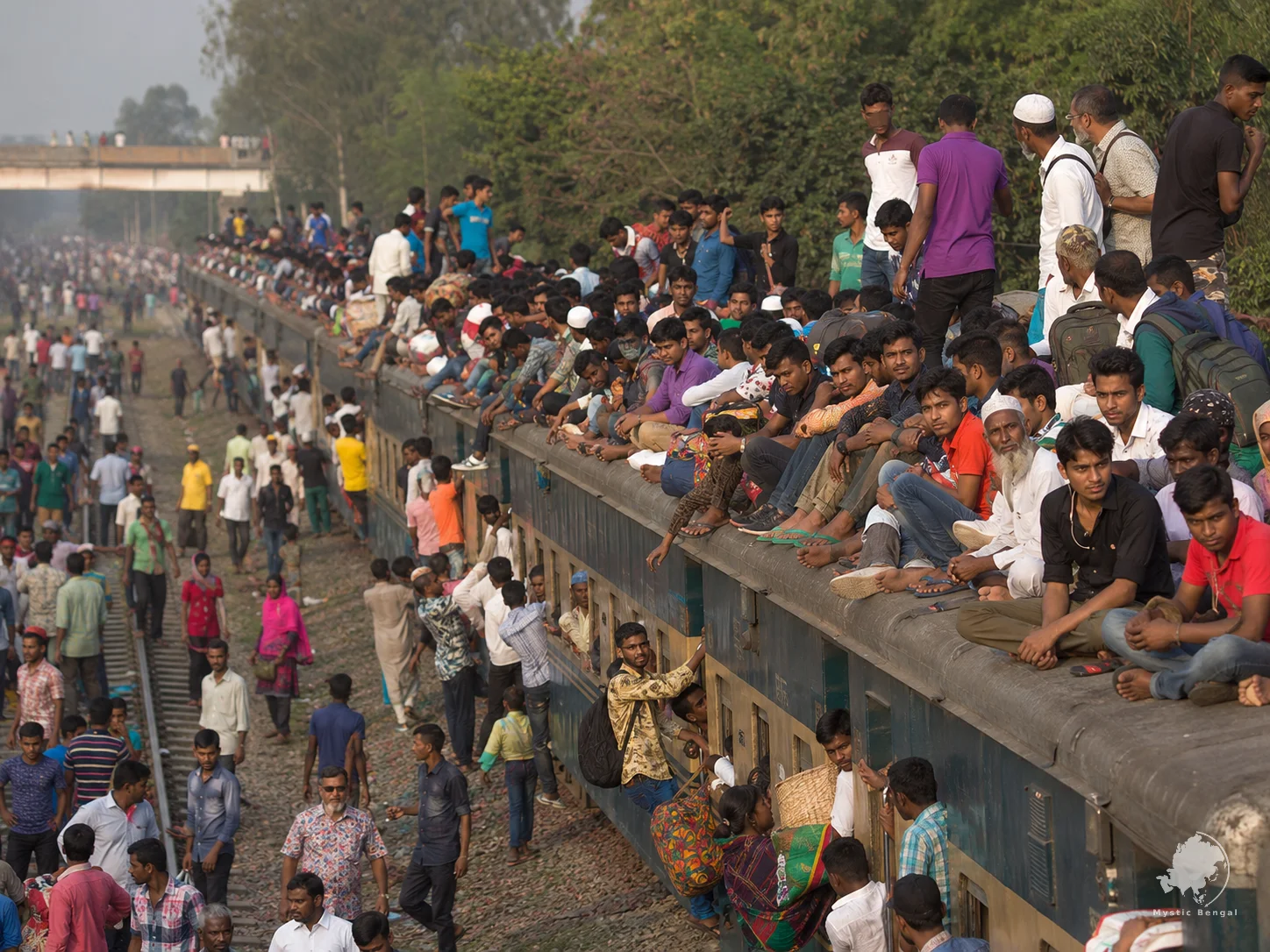
Bangladesh is a country where family bonds are deeply emotional, and Eid brings those bonds into full public view. Millions of people work or study away from their ancestral homes, especially in Dhaka, Chattogram, Gazipur, Narayanganj and other urban centers. As Eid approaches, the country experiences one of the largest annual movements of people as families travel back to villages, district towns and childhood homes.
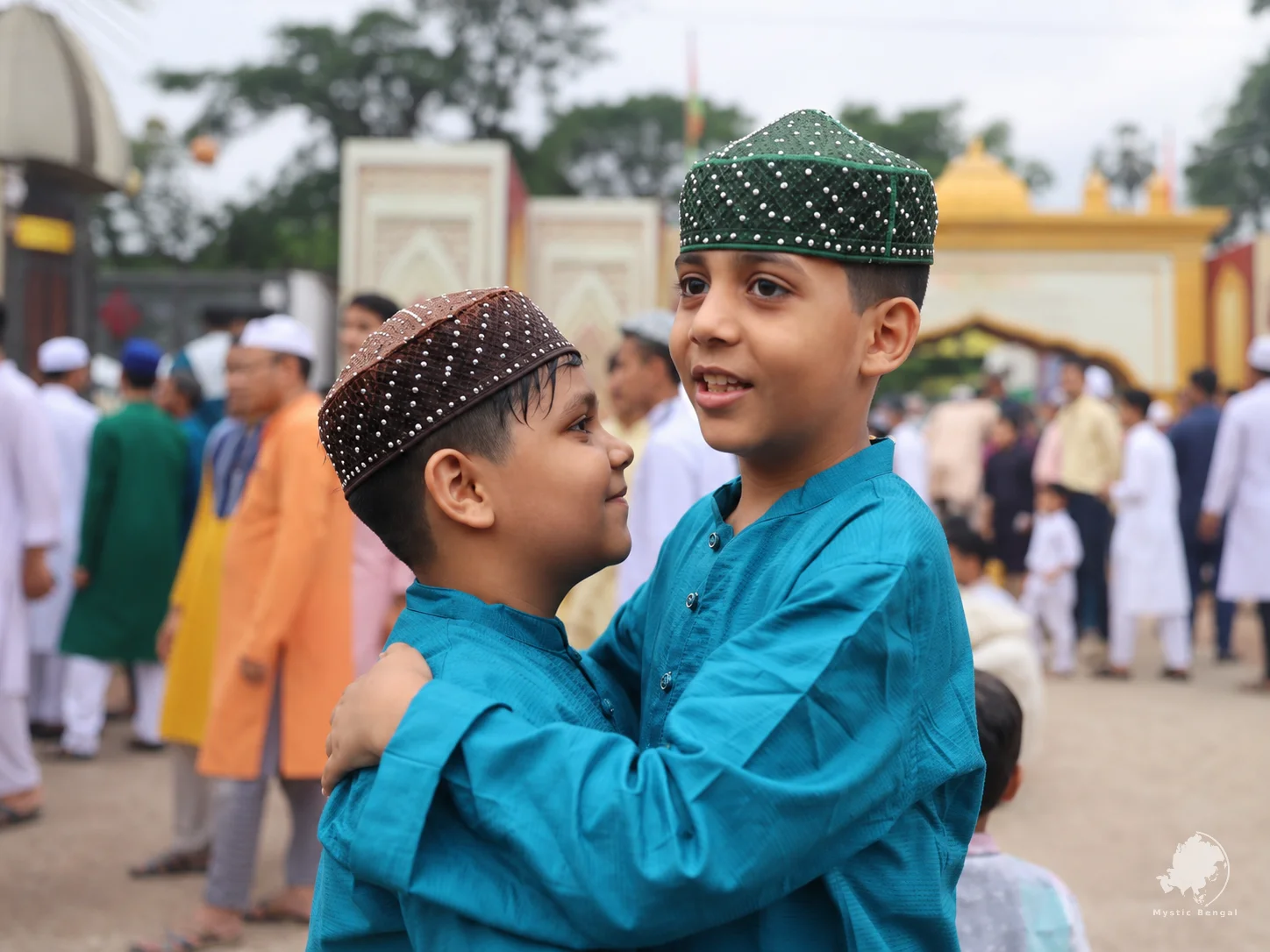
The importance of eid in bangladesh lies in togetherness. Parents wait for children returning from the capital, grandparents prepare special food, siblings exchange clothes and gifts, and neighbors visit each other after prayer. Even a simple village road can feel festive: boys in white panjabis, girls in bright dresses, elders in prayer caps, and small shops selling sweet drinks, perfume, bangles and toys.
Eid Prayers and Mosque Culture
Eid morning has a rhythm of its own. Before sunrise, the streets are quieter than usual. Then, slowly, people begin walking toward mosques and Eidgah grounds. In Dhaka, large congregations take place at major mosques and prayer grounds, while in smaller towns, the central Eidgah becomes a meeting point for the whole community.
Foreign tourists should understand a few etiquette points. Dress modestly, avoid walking through prayer rows, keep phones silent, and ask permission before photographing people. If you are not Muslim, you may observe from a respectful distance unless invited into a suitable area. Many Bangladeshis are welcoming and may explain what is happening, but sacred moments should never be treated like a performance.
Family Gatherings and Local Traditions
After prayer, the greeting “Eid Mubarak” fills the air. Men embrace each other, children touch elders’ feet in some families as a gesture of respect, and relatives begin visiting from house to house. Children wait eagerly for Eidi, small gifts of money given by parents, grandparents, uncles, aunts and older siblings.
In many homes, the first plate served after Eid prayer is sweet: shemai, payesh, firni or homemade desserts. Guests may be offered tea, soft drinks, sweets, kebabs, pulao or biryani depending on the household. Hospitality is central to Bangladeshi culture, and during Eid it becomes even warmer. If you are invited to a family home, bring a small gift such as sweets, fruit, dates or flowers, remove shoes when entering, and accept at least a small portion of food unless you have dietary restrictions.
Traditional Bangladeshi Eid Food
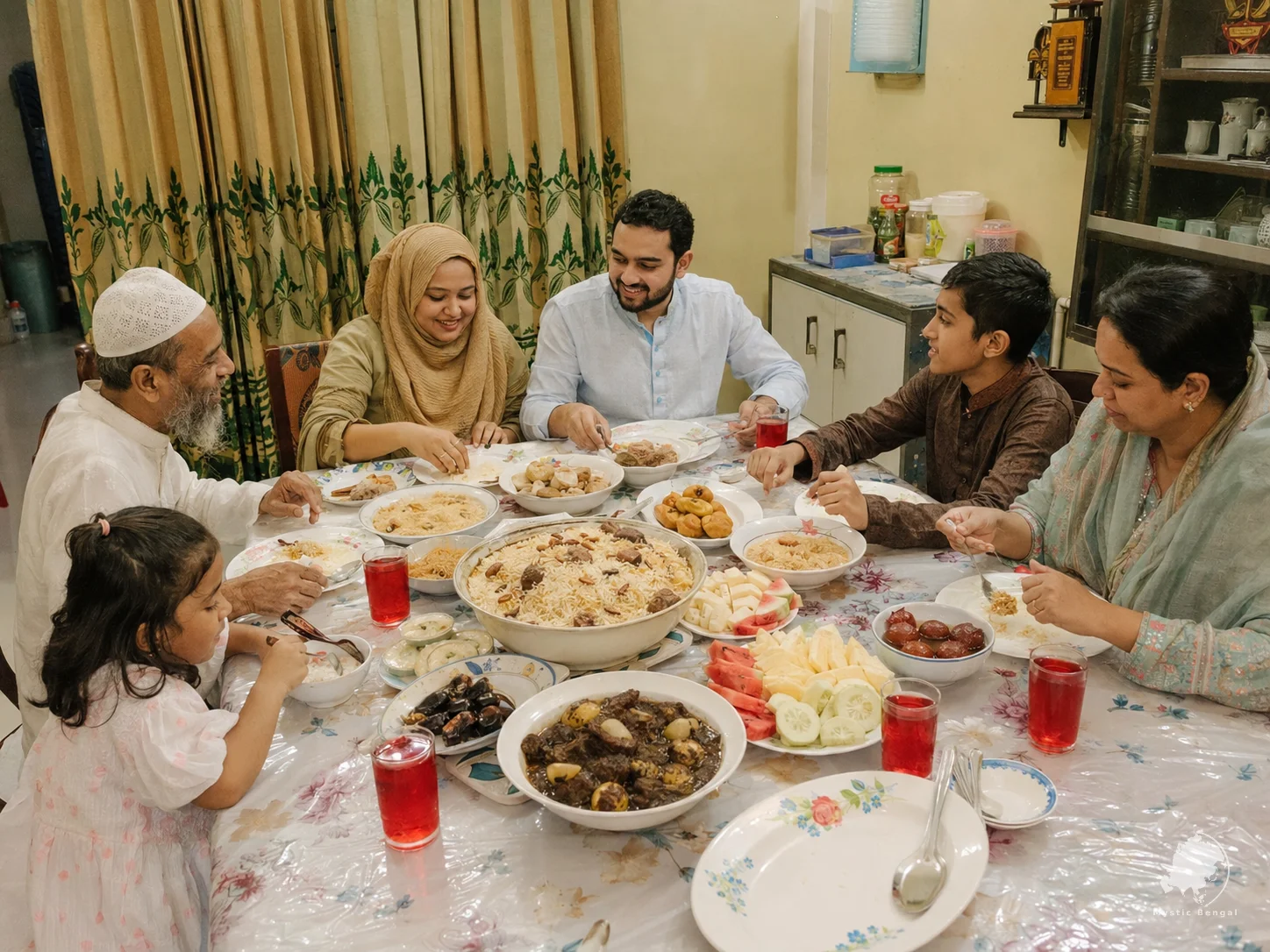
Food is one of the best ways to understand Eid in Bangladesh. The table varies by region and family, but the spirit is always generous. During eid ul fitr, sweet and festive dishes are especially common. During eid al adha, meat-based dishes dominate the menu.
Popular Eid al-Fitr Foods
- Shemai or semai: vermicelli cooked with milk, sugar, ghee, cardamom, raisins and nuts.
- Payesh: rice pudding made with milk, sugar or date molasses, and aromatic spices.
- Firni: a chilled rice-flour dessert often served in clay bowls.
- Polao and roast chicken: a classic urban Eid meal, especially for lunch.
- Kebabs, rezala and korma: rich Mughal-influenced dishes served to guests.
Popular Eid al-Adha Foods
- Beef bhuna: slow-cooked spiced beef, often prepared in large family batches.
- Meat curry: served with rice, paratha, polao or khichuri.
- Kala bhuna: a deep, dark, highly spiced beef dish associated strongly with Chattogram.
- Tehari: fragrant rice cooked with meat and spices, popular in Dhaka.
- Grilled or fried liver: often cooked fresh on Eid morning after Qurbani.
For more background on regional cuisine, read Mystic Bengal’s guide to the Traditional Food of Bangladesh.
Shopping and Eid Markets in Dhaka
In the final week before Eid, Dhaka transforms into a city of lights, fabrics and late-night shopping. Families buy panjabis, saris, salwar kameez, children’s clothes, shoes, perfume, prayer caps, jewelry and gifts. Shopping centers remain crowded deep into the night, and traditional markets become social spaces as much as commercial ones.
Popular shopping areas include New Market, Bashundhara City, Jamuna Future Park, Gulshan, Banani, Baily Road, Mouchak and local neighborhood bazaars. For travelers interested in photography and street culture, Old Dhaka before Eid is especially atmospheric, with narrow lanes, food stalls, fabric shops and riverside movement. A guided Old Dhaka Tour can help visitors experience the energy safely and respectfully.
Village Eid vs City Eid Experience
The contrast between village Eid and city Eid is one of the most fascinating parts of Bangladeshi culture. In Dhaka, Eid can feel grand, fashionable and fast-moving. Apartment buildings host family gatherings, restaurants offer special menus, and parks and entertainment areas become busy after the first day. Streets may be unusually empty on Eid morning because so many residents have left for their ancestral homes.
Village Eid feels slower and more intimate. People recognize almost everyone at the Eidgah. Children run between houses, elders sit under trees, and meals may be shared across courtyards. There may be fewer tourist facilities, but the emotional warmth can be unforgettable. If you are invited to a village home, go with humility, patience and a local interpreter or host. Rural hospitality is sincere, but privacy and religious etiquette should always be respected.
The Eid Travel Rush in Bangladesh
The Eid travel rush is a defining national experience. In the days before Eid, bus terminals, railway stations, ferry ghats, highways and airports become extremely busy. People travel from Dhaka to districts across the country, including Barisal, Khulna, Rajshahi, Rangpur, Sylhet, Chattogram and coastal regions. Launches on river routes, especially toward southern Bangladesh, can become heavily booked.
For foreign travelers, this rush can be exciting to witness but challenging to navigate. Avoid unnecessary intercity travel in the two to four days before Eid and the two to three days after Eid. If travel is essential, book early, use reliable transport, keep luggage light, carry water and snacks, and allow long buffer times. Private guided arrangements through a trusted operator are strongly recommended during Eid holidays.
How Tourists Can Experience Eid in Bangladesh
Foreign travelers can experience Eid in Bangladesh beautifully if they approach it as a cultural guest rather than a spectator. The best experiences often come through personal invitations, guided neighborhood walks, family meals, food exploration and respectful observation of public rituals.
- Visit markets before Eid: The nights before Eid are colorful, crowded and full of human stories.
- Observe Eid prayer respectfully: A guide can take you near an Eidgah or mosque without disturbing worshippers.
- Join a family meal if invited: This is often the most meaningful way to understand Eid hospitality.
- Explore Old Dhaka: Before Eid, the old city offers rich food, shopping, architecture and street scenes.
- Photograph with permission: Bangladeshis are often friendly, but Eid is personal and sacred; always ask.
- Travel after the rush: The days after Eid can be good for visiting quieter cities, villages and river routes.
Travelers who want a broader introduction to culture, landscapes and daily life may combine Eid experiences with the Bangladesh Highlights Expedition or a customized route through Mystic Bengal’s Holiday Packages.
Famous Eid Traditions and Local Customs
Some Eid customs are found across Bangladesh, while others vary by family, region and class. New clothes are one of the most visible traditions. The idea of wearing something fresh symbolizes renewal and joy. Perfume or attar is popular among men before prayer. Homes are cleaned, curtains may be changed, and special crockery appears on dining tables.
Television channels broadcast Eid dramas, music programs and celebrity shows, while cinemas often release major films during Eid. Children visit amusement parks, families go to relatives’ homes, and young people take photos in fashionable Eid outfits. In many neighborhoods, the phrase “Eid Mubarak” is exchanged with everyone from close relatives to shopkeepers and rickshaw pullers.
Best Places to Experience the Eid Atmosphere
The best place to experience Eid depends on the type of atmosphere you want. Dhaka is excellent before Eid because of markets, food streets and shopping energy. On Eid day itself, Dhaka becomes unusually calm in many areas, which can be fascinating for travelers who know how crowded the city normally is.
- Old Dhaka: Best for food, markets, historic streets and pre-Eid energy.
- National Mosque area and major Eidgahs: Best for observing large prayer gatherings respectfully.
- New Market and shopping districts: Best for fashion, bargaining and people-watching before Eid.
- Barisal and river routes: Best for understanding the homecoming journey and southern Bangladesh culture.
- Sylhet or Sreemangal: Best if you want a quieter post-Eid escape with tea gardens and countryside.
- Rajshahi and north Bengal: Best for relaxed town life, mango culture in season and heritage routes.
If your interest is visual storytelling, a Bangladesh Photography Tour or Dhaka Photography Day Tour can be adapted around festival etiquette and local conditions.
Eid Fashion and Cultural Celebrations
Eid fashion in Bangladesh is expressive and elegant. Men often wear panjabi with pajama or trousers, sometimes with a waistcoat. Women wear saris, salwar kameez, gowns, abayas or fusion outfits depending on personal style and family setting. Children’s fashion is especially joyful, with bright colors, embroidered dresses, tiny panjabis and matching shoes.
The fashion culture connects local boutiques, traditional weavers, block printers, embroidery workers and large shopping malls. For international travelers, Eid shopping offers insight into modern Bangladeshi identity: religious celebration, South Asian aesthetics, global trends and local craftsmanship all meeting in one season.
Travel Tips for Foreigners During Eid Holidays
- Confirm dates close to travel: Eid dates depend on the moon, so keep one flexible day in your itinerary.
- Book transport early: Domestic flights, trains, buses and launches sell out quickly before Eid.
- Avoid peak travel days: Do not plan tight intercity transfers immediately before or after Eid.
- Dress modestly: This is especially important near mosques, villages and family homes.
- Carry cash: Some small shops and transport providers may not accept cards, especially outside Dhaka.
- Expect closures: Government offices, many businesses and some restaurants close for Eid holidays.
- Respect photography boundaries: Ask before photographing prayers, families, women, children or Qurbani scenes.
- Plan food carefully: If you have dietary restrictions, tell your guide or host in advance.
- Use a local guide: A guide can help with language, etiquette, transport and access to authentic experiences.
- Check travel advisories: Before departure, review your embassy guidance and official travel information. The UK Foreign, Commonwealth & Development Office and other national agencies provide regularly updated travel advice for Bangladesh.
FAQ: Eid Travel and Celebrations in Bangladesh
Can foreigners join Eid celebrations in Bangladesh?
Yes, foreigners are often welcomed warmly, especially if they are invited by a Bangladeshi family or travel with a local guide. The key is to be respectful, modest and flexible.
Is Eid a good time to visit Dhaka?
Yes, but it depends on your interest. Before Eid, Dhaka is lively with markets and shopping. On Eid day, many roads are quieter than usual because large numbers of residents travel to their hometowns. Some attractions and businesses may be closed.
What is the difference between eid al fitr and eid al adha in Bangladesh?
Eid al-Fitr celebrates the end of Ramadan and is associated with sweet dishes, new clothes, charity and family visits. Eid al-Adha focuses on sacrifice, meat distribution and the story of Prophet Ibrahim’s devotion.
What should I say to people during Eid?
You can say “Eid Mubarak”, which means blessed Eid. It is widely understood and appreciated.
Is Eid al-Adha suitable for all travelers?
Eid al-Adha is meaningful but can be visually intense because of animal sacrifice. Travelers who are sensitive to this should plan alternative cultural activities or observe only selected parts of the celebration with a guide.
Final Thoughts: The Human Beauty of Eid in Bangladesh
To experience Eid in Bangladesh is to witness a country at its most emotional. The festival is not only in the mosques or dining rooms; it is in the long journey home, the careful shopping for a child’s first Eid dress, the elder waiting at the gate, the neighbor sharing food, and the stranger who smiles and says “Eid Mubarak.”
Whether you are drawn by eid al fitr, planning around eid ul fitr 2026, or hoping to understand eid al adha, Bangladesh offers a deeply human festival experience. For a respectful, well-planned and culturally rich journey, contact Mystic Bengal to design an Eid-season itinerary with local insight, comfort and care.
Tour Packages That Include This Place
Eid in Bangladesh
eid al fitr
eid ul fitr
eid al adha
eid ul fitr 2026
Bangladesh festivals
Bangladesh culture
Dhaka travel
Bangladesh food
Cultural travel
Bangladesh Travel Blog, Bangladesh history, UNESCO sites, archaeological sites — all you need to know
Things to Do in Dhaka: A Complete City GuideSundarbans National Park: Wildlife, Mangroves, and Fishing VillagesDhaka to Chittagong Train Guide 202615 Best Places to Visit in Bangladesh on Your TourTraditional Food of BangladeshBest place to buy souvenir in DhakaBangladesh Visa on Arrival 2026Bangladesh Travel Tips for First-Time VisitorsPanam Nagar (পানাম নগর) : An Abandoned Hindu City from the 19thBangladesh People: Exploring Ethnicity and CultureBangladesh Tour PackagesBest Places for Photography in Dhaka!Ahsan Manzil (Pink Palace), the Residence of a Feudal LandlordTop 15 New & Old Dhaka Tourist AttractionsExplore Lalbagh Fort: Dhaka's Mughal MasterpieceIs Bangladesh Safe to Travel?Ship Breaking Yard Bangladesh: Inside the World's Steel GraveyardBangladesh Wildlife TourArmenian Church Dhaka: A Timeless Landmark in Old DhakaNational Parliament of Bangladesh: Visiting Jatiya Sangsad Bhaban in DhakaSt Martin Island Bangladesh Travel GuideJaflong Sylhet & Lalakhal: Bangladesh’s Emerald EscapeTea Garden in Bangladesh: Sylhet’s Green HillsVillage Bangladesh: Rural Beauty and Village LifeDhakeshwari Temple Dhaka: History and Visitor GuideEid in Bangladesh: Eid ul Fitr 2026 Travel GuidePlaces to Visit in Chittagong: Best Attractions & Travel GuideBangladesh Tour Package for ForeignersBangladesh Itinerary for 7 DaysIs Bangladesh Worth Visiting? Honest Travel GuideLuxury Bangladesh TourPrivate Tour in BangladeshShakhari Bazar / Hindu Street in DhakaEthnic Groups of Bangladesh: Culture & DiversityIs Cox's Bazar Worth Visiting?Cox's Bazar Travel Guide for Foreign TravelersRenting a House in Dhaka, Bangladesh as a Foreigner: The Complete 2026 GuideBangladesh Sylhet Tea Garden