Armenian Church Dhaka: A Timeless Landmark in Old Dhaka
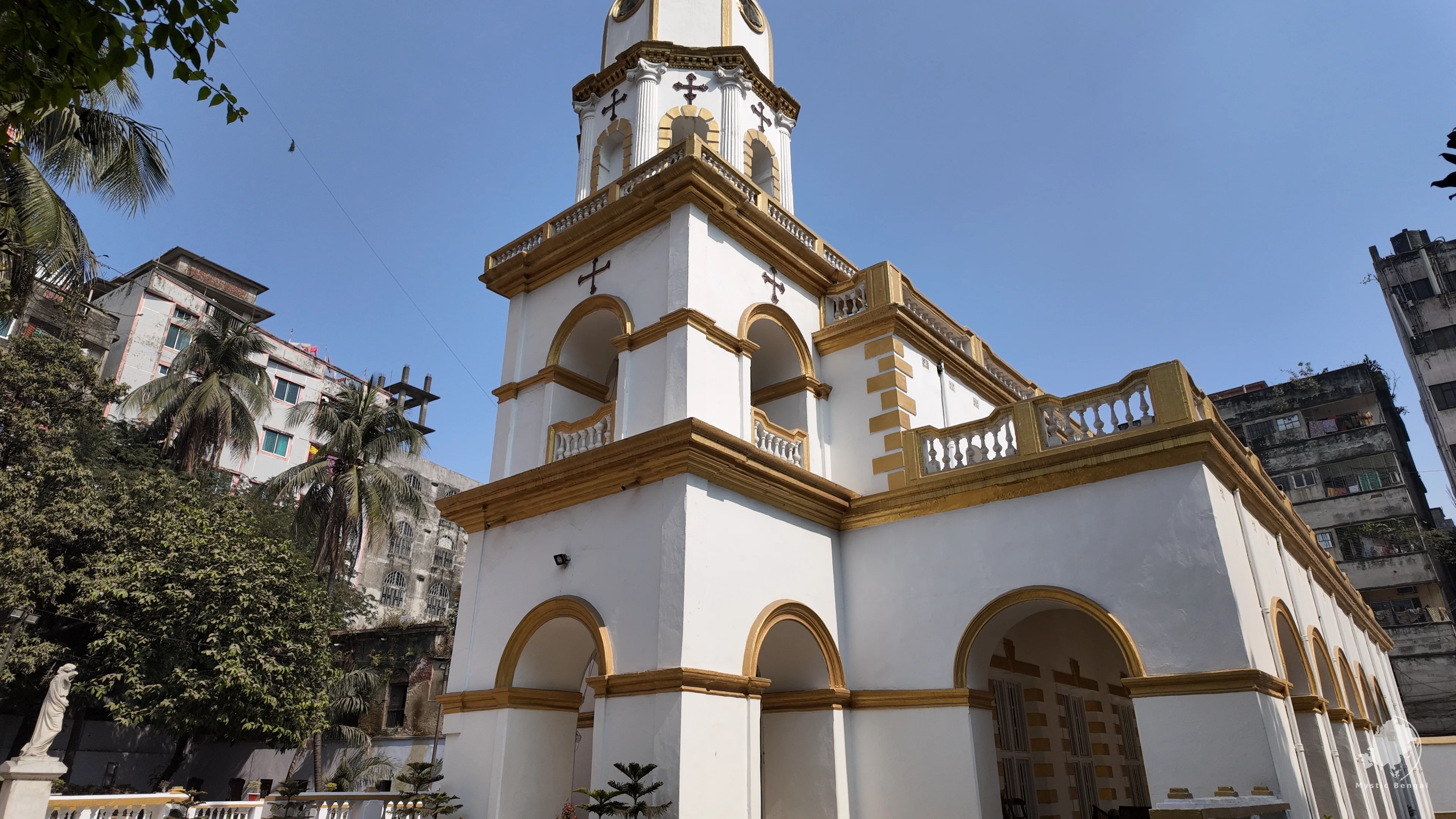
Armenian Church Dhaka is one of the most atmospheric heritage sites in Bangladesh. Hidden within the dense, energetic lanes of Old Dhaka, this elegant church tells the story of a once-thriving Armenian merchant community that helped shape the commercial life of Bengal. For travelers interested in history, architecture, photography, and the layered identity of Dhaka, the armenian church offers a rare and memorable stop.
Often referred to as armenian church, dhaka, this landmark is much more than an old religious building. It is a reminder of global trade routes, multicultural urban life, and the long connection between Bangladesh and foreign merchant communities. In a city known for its intensity and movement, the church compound feels unexpectedly calm, reflective, and deeply historic.
The Armenian Community in Bengal and Bangladesh
The Armenian presence in Bengal dates back several centuries. Armenian traders were active across South Asia and became well known for their role in regional commerce, especially in silk, textiles, salt, spices, and other valuable goods. They settled in important centers of trade, and Dhaka emerged as one of the places where the community grew in both wealth and social influence.
During the Mughal period and later under colonial rule, Armenian merchants became part of the commercial fabric of the region. They were respected as skilled intermediaries in trade and maintained business networks that connected Bengal with cities across Asia and beyond. In Dhaka, they established residences, warehouses, burial grounds, and places of worship.
Although the Armenian population in present-day Bangladesh declined over time, their cultural footprint remains visible in a few historic sites, with Armenian Church Dhaka being the most prominent and best known. The church stands today as a rare surviving witness to that cosmopolitan chapter of the city’s past.
Background of the Armenian Church in Old Dhaka
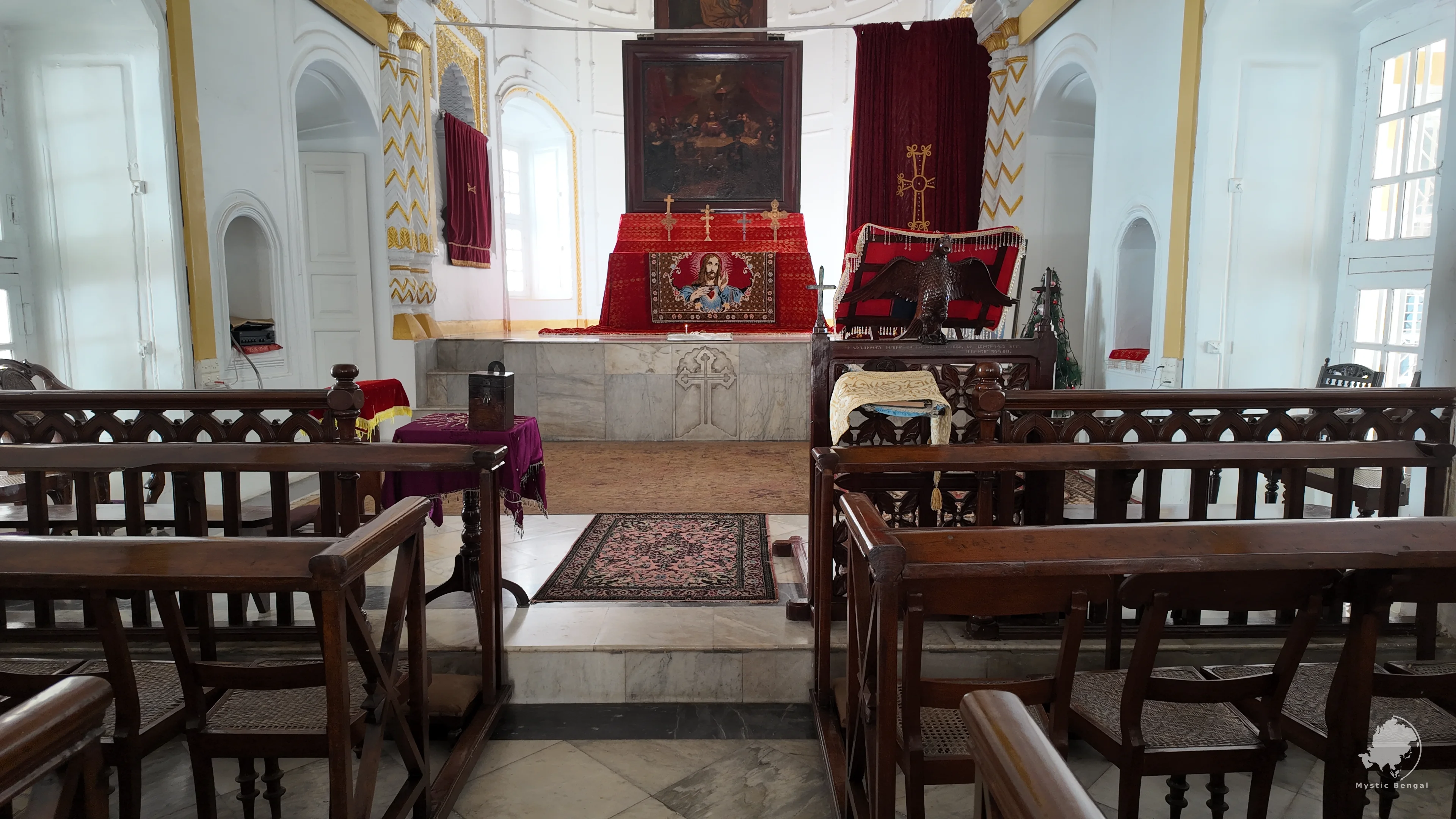
The armenian church in Old Dhaka is commonly known as the Armenian Apostolic Church of the Holy Resurrection. It was built in the 18th century in the historic neighborhood of Armanitola, a name that itself reflects the Armenian connection. The church was established on land associated with the Armenian community and also became an important burial site.
The location of the church was no accident. Old Dhaka was once a major center of trade and administration, and communities from different backgrounds lived and worked in its neighborhoods. The church served both spiritual and social purposes. It was a place for worship, community gathering, and remembrance.
Over the years, as the Armenian community diminished, the church became less active as a congregational center. Yet its heritage value only increased. Today, armenian church, dhaka is admired for its historical importance, quiet beauty, and connection to a lesser-known chapter of Bangladesh’s urban history.
Architecture and Unique Design Features
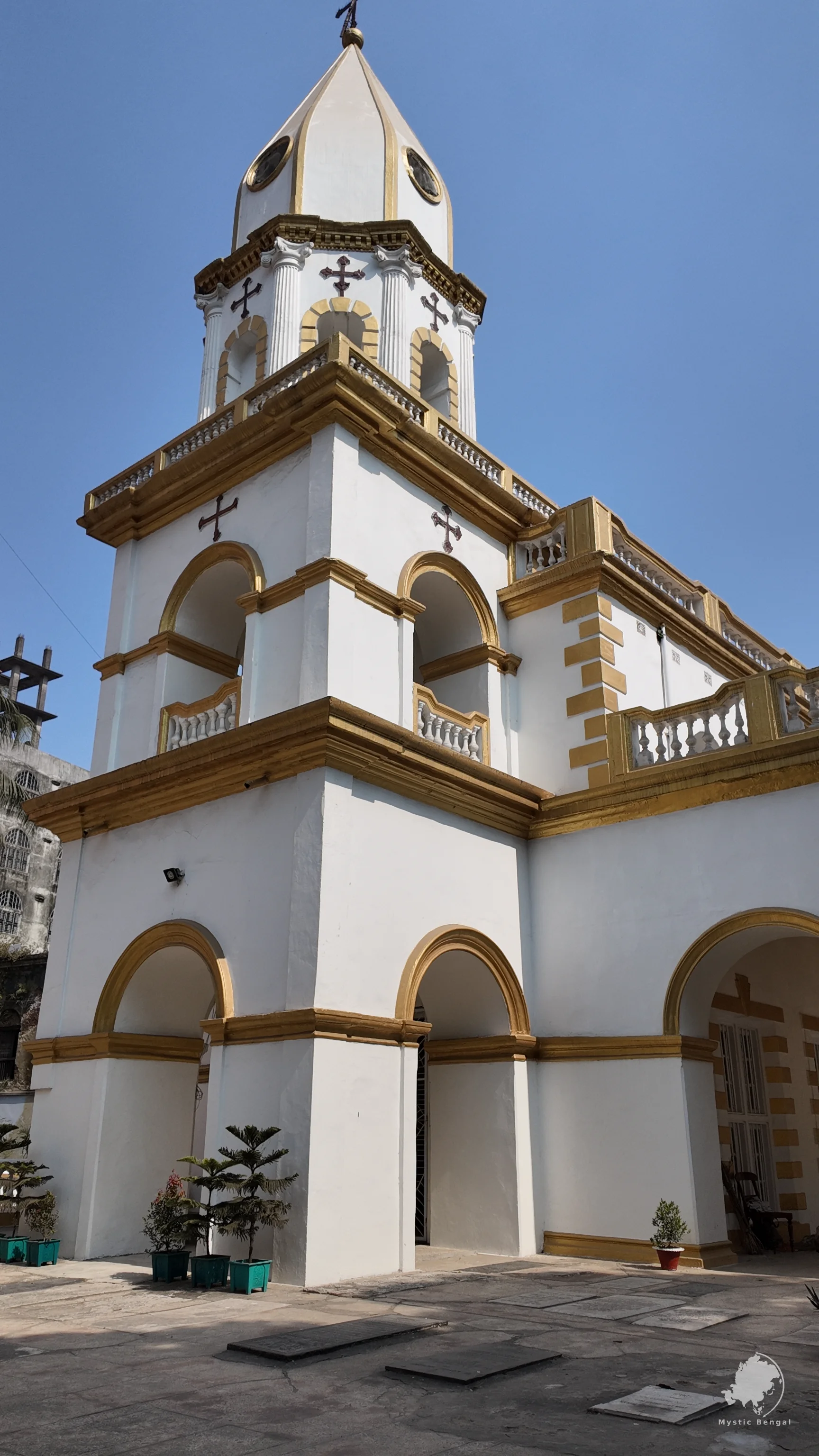
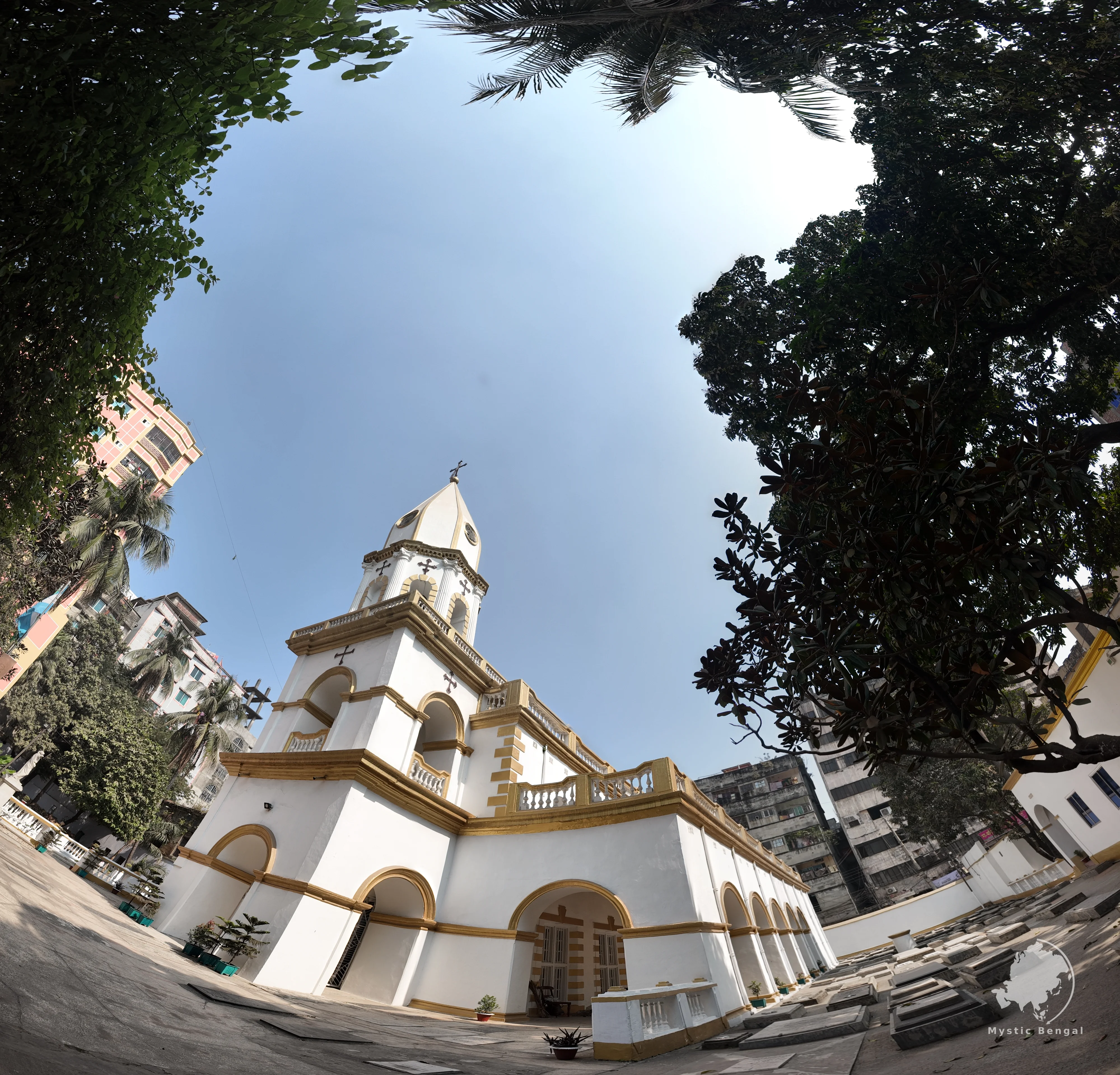
One of the most striking aspects of Armenian Church Dhaka is its graceful colonial-era form blended with ecclesiastical simplicity. The church compound includes a spacious courtyard, an elevated church structure, arched openings, and a bell tower that rises above the surrounding urban landscape.
Key architectural highlights
- Bell tower: The tower gives the church a distinctive silhouette and makes it instantly recognizable in Old Dhaka.
- Arched verandas and openings: These features create rhythm and elegance while allowing light and ventilation.
- High ceilings and long hall-like interior: The proportions add solemnity and a sense of calm.
- Large church compound: The open space around the structure is unusual in crowded Old Dhaka and adds to its visual appeal.
- Historic grave markers: The surrounding cemetery area is integral to the site’s design and identity.
The building is not over-decorated. Instead, its beauty lies in its balance, age, and atmosphere. Weathered walls, old masonry, and the softness of natural light give the site an almost cinematic quality. For architecture lovers, the armenian church is an excellent example of how sacred spaces were adapted to the climate and social setting of historic Bengal.
Religious and Cultural Significance
The church is an important symbol of Bangladesh’s multicultural past. While Islam has long shaped the religious identity of Dhaka, the city also holds traces of Hindu, Buddhist, Christian, and merchant-diaspora histories. Armenian Church Dhaka reflects this rich pluralism.
For the Armenian Apostolic tradition, the church represented continuity, faith, and community life far from the Armenian homeland. For modern Bangladesh, it represents coexistence and the layered heritage of Old Dhaka. It also serves as a reminder that the history of the city was shaped not only by rulers and empires, but also by trading families, minority communities, and cross-cultural exchange.
Travelers interested in heritage tourism often find that the church adds depth to their understanding of Dhaka. It challenges the idea that the city can be understood through a single narrative. Instead, armenian church, dhaka reveals a global city of merchants, migrants, and memory.
Interesting Stories and Historical Facts
There are several stories that make this landmark especially fascinating. The neighborhood name Armanitola is itself tied to the Armenian presence in Dhaka. That means the community was influential enough to leave a permanent mark on the geography of the city.
The church compound also preserves the memory of Armenian families who played a role in trade and urban society. Their names appear on graves and memorials, offering clues to lives once lived between Bengal and wider international networks.
Another striking detail is the contrast between the church and its surroundings. Outside the compound, Old Dhaka is noisy, compact, and intensely alive. Inside, the mood changes dramatically. That transition creates one of the most memorable heritage experiences in the city.
Some visitors are also surprised to learn that the Armenian community in Bengal once held a notable commercial reputation. Their story opens a window into the global economy of earlier centuries, when Dhaka was connected to far wider worlds than many modern visitors imagine.
Famous Graves and Heritage Value
The graveyard of Armenian Church Dhaka is one of its most moving features. The old tombstones and inscriptions help preserve the memory of men, women, and families from the Armenian community who once lived in Dhaka. For historians and heritage travelers, these graves are valuable records of migration, settlement, and identity.
Among the most discussed graves associated with the site are those connected to notable Armenian residents and benefactors. Even when specific stories are fragmentary, the cemetery conveys a powerful sense of continuity. Dates, names, and epitaphs turn the churchyard into an open-air archive.
This heritage value is especially important in a city where rapid urban growth often puts pressure on historic spaces. The armenian church stands not only as a monument, but also as an argument for conservation. Protecting such sites helps preserve the diverse story of Bangladesh for future generations.
Visitor Experience and Photography Opportunities
For visitors, the church offers a very different experience from many of Dhaka’s busier attractions. It is peaceful, intimate, and ideal for slow observation. You do not come here for spectacle alone; you come for atmosphere, detail, and historical resonance.
What makes it rewarding for travelers
- Quiet contrast with the busy lanes of Old Dhaka
- Photogenic arches, tower, courtyards, and weathered surfaces
- Historic grave markers and textured architectural details
- A strong sense of place for heritage and documentary photography
- An excellent stop on a wider Old Dhaka walking or driving route
If you enjoy travel photography, armenian church, dhaka can be especially rewarding in soft morning or late afternoon light. The church façade, pathways, and cemetery textures create strong compositions. Pairing the visit with a Dhaka Photography Day Tour can help international visitors explore the area with better timing and local insight.
Location and How to Visit Armenian Church Dhaka
Armenian Church Dhaka is located in Armanitola, in the historic core of Old Dhaka. The church is best visited as part of a broader Old Dhaka itinerary because traffic in the area can be intense and the surrounding heritage sites are close enough to combine in one day.
How to get there
- From central Dhaka: Travel by private car, ride-share, or CNG auto-rickshaw depending on traffic conditions.
- With a local guide: This is often the easiest option for first-time visitors, especially foreign travelers.
- As part of a heritage route: Combine it with Ahsan Manzil, Lalbagh Fort, and traditional lanes of Old Dhaka.
Access arrangements may vary, so it is wise to confirm local visiting conditions before going. If you want a smoother experience, consider an Old Dhaka Tour or contact Mystic Bengal for assistance with heritage-focused planning.
Best Time to Visit the Armenian Church
The cooler months from roughly November to February are generally the most comfortable for exploring Old Dhaka. During this period, walking between heritage sites is easier and the light is often better for photography.
Morning is usually the best time of day to visit the armenian church. The weather is more pleasant, traffic can be somewhat more manageable, and the softer light suits architectural photography. Late afternoon can also be attractive, though road congestion in Dhaka may be heavier then.
Avoid planning a heritage-heavy Old Dhaka day during peak heat or during severe monsoon downpours, as narrow streets and crowded conditions can become more challenging.
Nearby Attractions in Old Dhaka
One of the best reasons to visit Armenian Church Dhaka is that it sits within reach of several of the capital’s most historic attractions. If you are building an Old Dhaka itinerary, these places pair naturally with the church:
- Ahsan Manzil – the famous Pink Palace on the Buriganga riverfront.
- Lalbagh Fort Dhaka – a major Mughal-era landmark.
- Top Places to Visit in Dhaka – useful for planning a fuller city itinerary.
- Shakhari Bazar and surrounding heritage lanes – ideal for observing everyday Old Dhaka life.
- Sadarghat area – for those interested in Dhaka’s river culture and street photography.
If you are interested in more visual travel inspiration, you may also enjoy Best Place for Photography in Dhaka.
Travel Tips for Foreign Tourists Visiting Dhaka
For international visitors, Old Dhaka can feel overwhelming at first, but it is also one of the most rewarding parts of the city. A few practical tips can make your visit to armenian church, dhaka much easier.
- Dress modestly: This is respectful and appropriate for heritage and religious environments.
- Go with local guidance if possible: A guide helps with timing, traffic, navigation, and context.
- Keep cash and small change: Useful for local transport and quick purchases.
- Carry water and move slowly: Dhaka’s heat and traffic can be tiring.
- Ask before photographing people: Especially in residential or sensitive areas.
- Check entry access in advance: Heritage sites in Dhaka sometimes have irregular visitor arrangements.
- Plan your visa and travel basics beforehand: See Bangladesh Visa on Arrival 2026 and Is Bangladesh Safe to Travel for practical reading.
Why Armenian Church Dhaka Deserves a Place on Your Itinerary
There are many impressive attractions in Bangladesh, but few offer the same combination of intimacy, architectural charm, and historical depth as Armenian Church Dhaka. It is not just a church. It is a memory of a global trading community, a quiet cultural landmark in a crowded city, and one of the most compelling heritage sites in Old Dhaka.
For history lovers, photographers, and curious travelers, the armenian church offers something genuinely special: a chance to see Dhaka through a more layered and international lens. If you are planning a heritage-focused journey, you can explore more ideas through Bangladesh Travel Blog or browse Holiday Packages for broader trip planning.
FAQ: Armenian Church Dhaka
Where is Armenian Church Dhaka?
It is located in Armanitola, in the historic Old Dhaka area of Bangladesh’s capital city.
Is Armenian Church Dhaka worth visiting?
Yes. It is one of the most historically important and visually distinctive heritage sites in Old Dhaka, especially for travelers interested in architecture and multicultural history.
Can foreign tourists visit the armenian church?
Generally yes, but access conditions can vary. It is best to check locally or visit with a guide.
How long should I spend at armenian church, dhaka?
A focused visit may take 30 to 60 minutes, but many travelers combine it with a half-day or full-day exploration of Old Dhaka.
What is the best nearby attraction to combine with it?
Ahsan Manzil and Lalbagh Fort are two of the best nearby heritage sites to combine with Armenian Church Dhaka.
Tour Packages That Include This Place
Armenian Church Dhaka
Old Dhaka
Dhaka heritage
Historic churches in Bangladesh
Dhaka travel guide
Bangladesh history
Photography in Dhaka
Bangladesh Travel Blog, Bangladesh history, UNESCO sites, archaeological sites — all you need to know
Things to Do in Dhaka: A Complete City GuideSundarbans National Park: Wildlife, Mangroves, and Fishing VillagesDhaka to Chittagong Train Guide 202615 Best Places to Visit in Bangladesh on Your TourTraditional Food of BangladeshBest place to buy souvenir in DhakaBangladesh Visa on Arrival 2026Bangladesh Travel Tips for First-Time VisitorsPanam Nagar (পানাম নগর) : An Abandoned Hindu City from the 19thBangladesh People: Exploring Ethnicity and CultureBangladesh Tour PackagesBest Places for Photography in Dhaka!Ahsan Manzil (Pink Palace), the Residence of a Feudal LandlordTop 15 New & Old Dhaka Tourist AttractionsExplore Lalbagh Fort: Dhaka's Mughal MasterpieceIs Bangladesh Safe to Travel?Ship Breaking Yard Bangladesh: Inside the World's Steel GraveyardBangladesh Wildlife TourArmenian Church Dhaka: A Timeless Landmark in Old DhakaNational Parliament of Bangladesh: Visiting Jatiya Sangsad Bhaban in DhakaSt Martin Island Bangladesh Travel GuideJaflong Sylhet & Lalakhal: Bangladesh’s Emerald EscapeTea Garden in Bangladesh: Sylhet’s Green HillsVillage Bangladesh: Rural Beauty and Village LifeDhakeshwari Temple Dhaka: History and Visitor GuideEid in Bangladesh: Eid ul Fitr 2026 Travel GuidePlaces to Visit in Chittagong: Best Attractions & Travel GuideBangladesh Tour Package for ForeignersBangladesh Itinerary for 7 DaysIs Bangladesh Worth Visiting? Honest Travel GuideLuxury Bangladesh TourPrivate Tour in BangladeshShakhari Bazar / Hindu Street in DhakaEthnic Groups of Bangladesh: Culture & DiversityIs Cox's Bazar Worth Visiting?Cox's Bazar Travel Guide for Foreign TravelersRenting a House in Dhaka, Bangladesh as a Foreigner: The Complete 2026 GuideBangladesh Sylhet Tea Garden