Ship Breaking Yard Bangladesh: Inside the World's Steel Graveyard
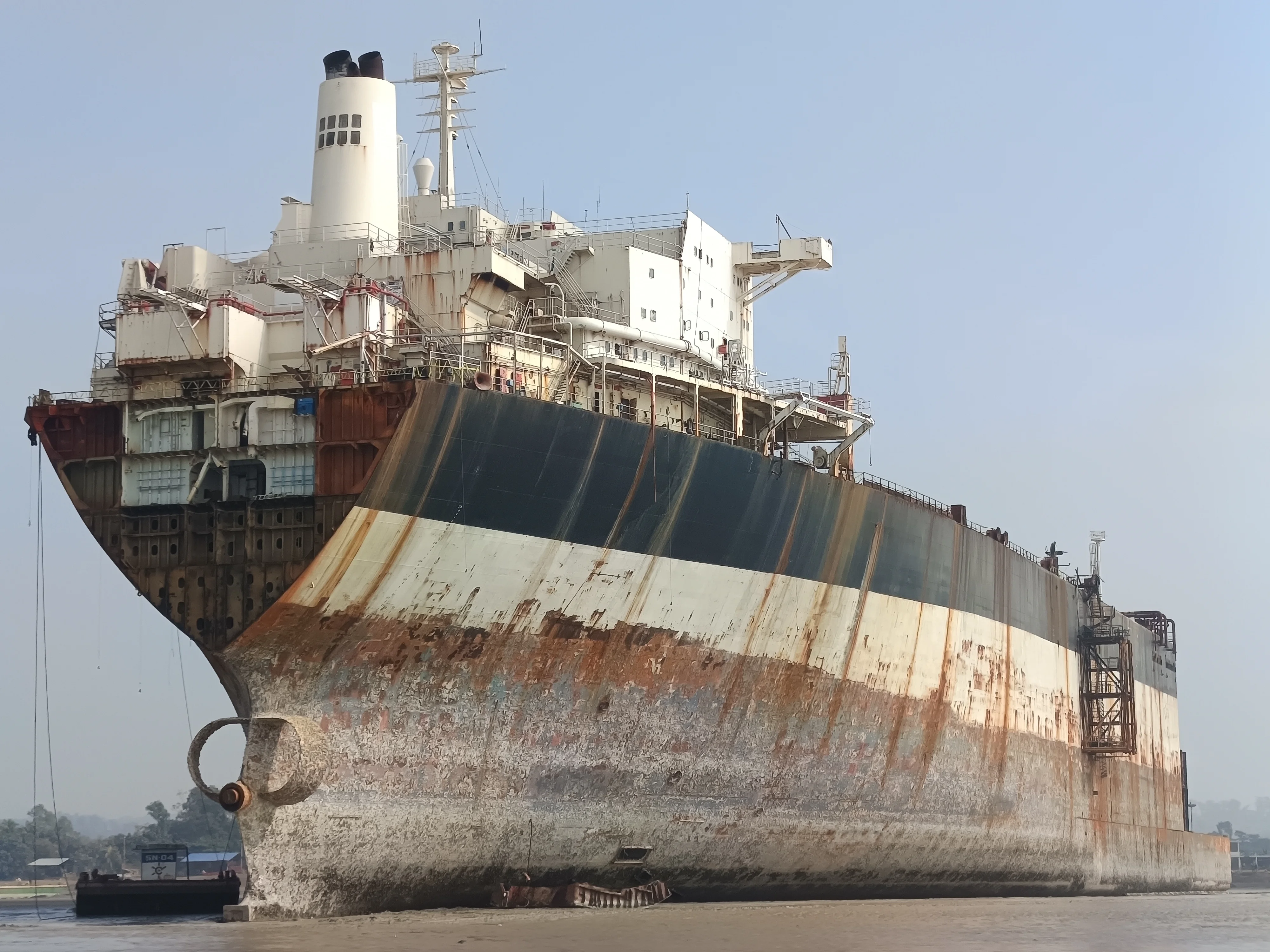
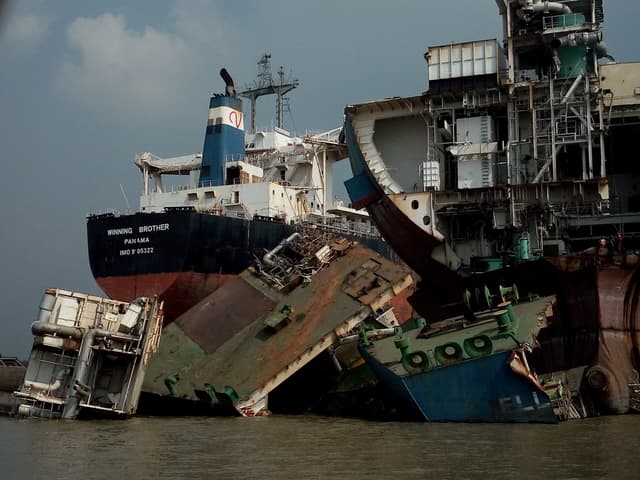
Few industrial landscapes on earth are as raw, controversial, and economically vital as the ship breaking yard Bangladesh coastline. Stretched along an 18-kilometre belt just north of Chattogram (formerly Chittagong), this is where some of the world's largest decommissioned vessels — tankers, container ships, and even retired cruise liners — come to die. The ship breaking yard Bangladesh industry recycles roughly one-fifth of all the ships scrapped globally and supplies more than half of the steel consumed across the country.
In this guide, we'll take a deep look at the history, scale, economy, working conditions, and environmental footprint of the bangladesh ship breaking yards , including how the Hong Kong Convention is reshaping the future of the entire sector in 2025 and beyond.
A Brief History of the Ship Breaking Yard Bangladesh Industry
The story of the ship breaking yard Bangladesh industry begins almost by accident. In 1960, a powerful cyclone drove the Greek vessel MD Alpine aground on the beach at Sitakunda, near Chittagong. The ship sat stranded for years until Chittagong Steel House finally bought and dismantled it — planting the seed for a future global industry.
A second turning point came after the 1971 Liberation War. The damaged Pakistani vessel Al Abbas was salvaged and beached at Fauzdarhat. In 1974, Karnafully Metal Works Ltd acquired the wreck for scrap, formally launching commercial shipbreaking in Bangladesh. From there, the industry expanded rapidly through the 1980s, and by the mid-1990s Bangladesh had become the world's number-two destination for end-of-life ships.
Between 2004 and 2008, the country actually held the global crown — the largest ship-breaking operation on the planet — before India's Alang yard reclaimed first place. Today, the Bangladesh ship breaking yards still rank among the top three globally, alongside Alang (India) and Gadani (Pakistan).
Chittagong Ship Breaking Yards in Bangladesh: Location and Scale
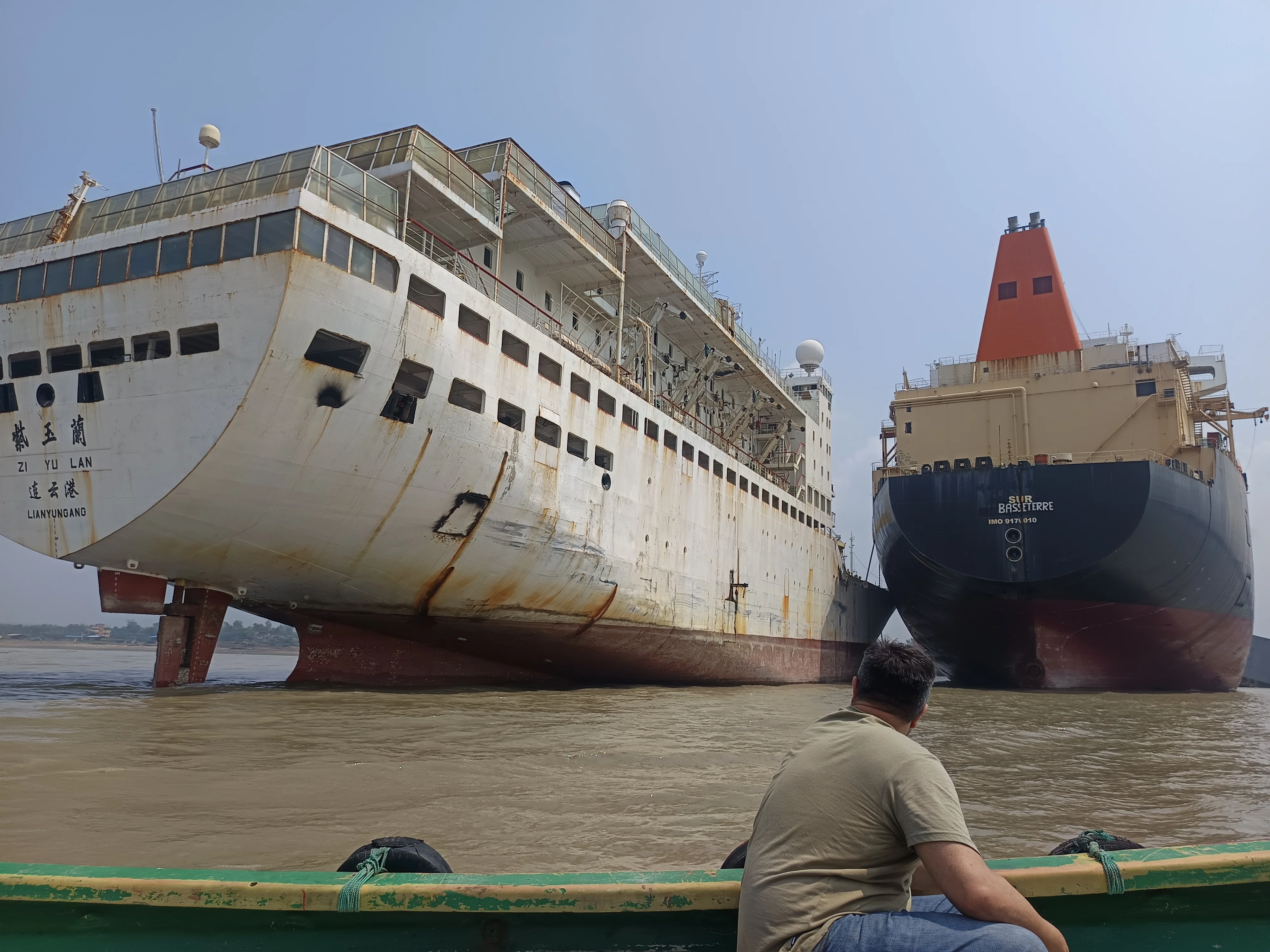
The chittagong ship breaking yards in bangladesh are concentrated in the Sitakunda Upazila, roughly 20 kilometres north-west of Chattogram city, in the Faujdarhat area. The flat, gently sloping tidal beach is what makes this stretch so commercially valuable — massive ships can be intentionally grounded at high tide, then progressively dismantled as the water recedes.
By most recent counts, the area hosts more than 150 plot-style yards, of which 50 to 60 are operational year-round. The industry employs anywhere between 30,000 and 200,000 people directly and indirectly when downstream re-rolling mills, scrap markets, and transport businesses are included.
Some of the largest ships ever built — vessels reaching 350 metres in length and weighing up to 15,000 tons in light displacement — have ended their lives here. Famous cruise liners such as the SS Southern Cross and Sunward were also scrapped at the Bangladesh ship breaking yards.
How a Ship Is Dismantled at the Bangladesh Ship Breaking Yards
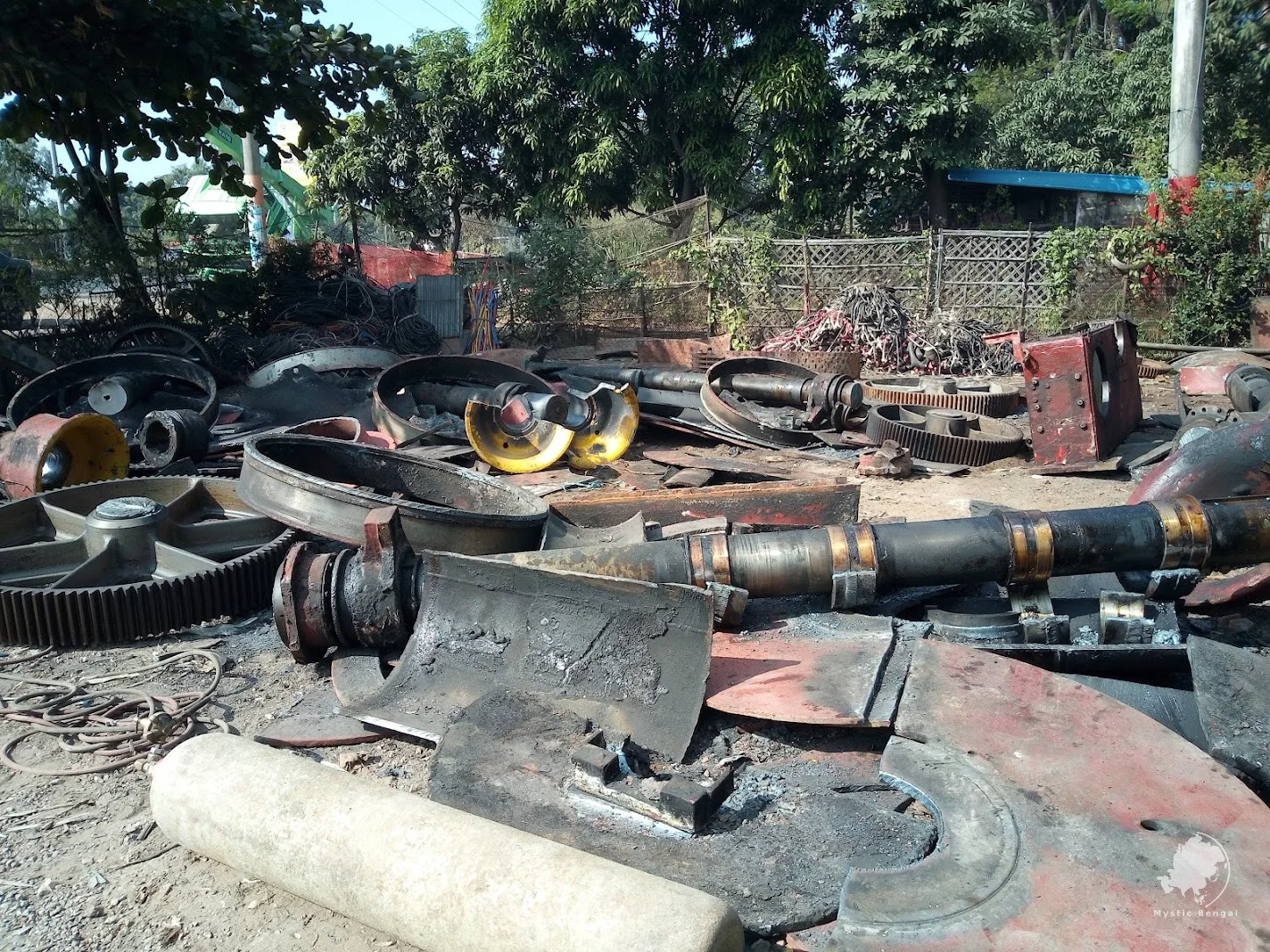
Although the work is industrial in scale, the methods at most yards remain remarkably manual. The process generally follows these stages:
- Acquisition. A yard owner buys an end-of-life vessel — typically through an international cash buyer — for anywhere between USD 4 million and USD 10 million, depending on size, steel grade, and current scrap prices.
- Beaching. A specialist captain runs the vessel onto the tidal flat at full speed during high tide, planting it firmly in the sand.
- Stripping. Crews remove furniture, fittings, machinery, electronics, fuel, and lubricants. Almost everything is resold in second-hand markets.
- Cutting. Workers with oxyacetylene torches slice the hull into massive sections, which are dragged ashore by winches and bulldozers.
- Re-rolling. Steel plates are sent to nearby mills, where they are turned into construction rebar — feeding Bangladesh's booming infrastructure sector.
More than 90% of every ship is recycled in some form, making the ship breaking yard Bangladesh ecosystem one of the most efficient circular-economy operations on the planet — at least in terms of materials.
The Economic Importance of the Bangladesh Ship Breaking Yards
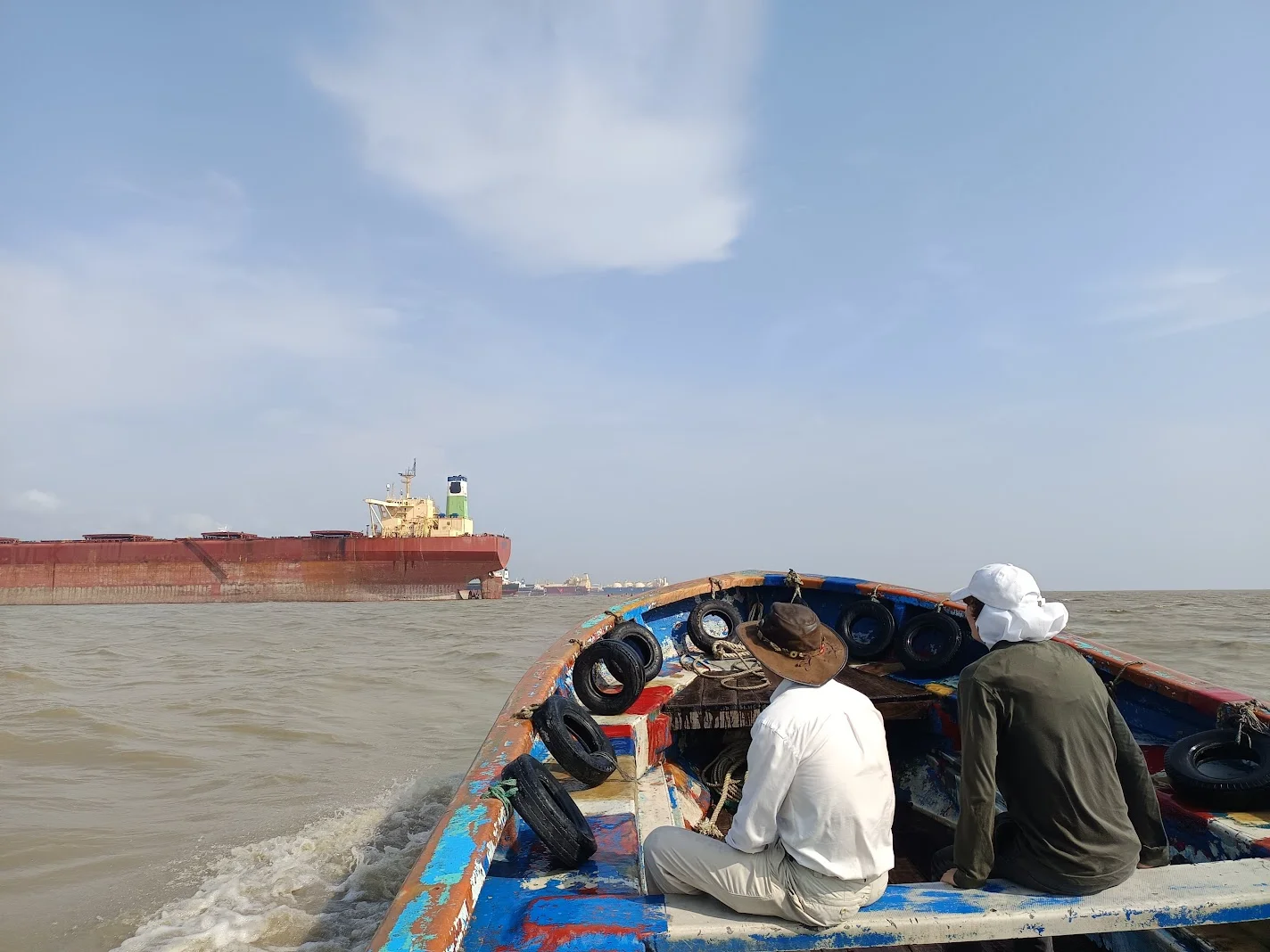
Quick numbers:
- Estimated annual revenue: ~USD 1.5 billion
- Share of national steel supply: 50–60%
- Number of active yards: 50–60 (out of 150+ plots)
- Direct employment: 30,000–50,000 workers
- Vessels recycled annually: more than 100 of the world's ~700 scrapped ships
Because Bangladesh has no significant iron ore reserves, the chittagong ship breaking yards in bangladesh serve as the country's primary source of raw steel. The savings in foreign exchange — money that would otherwise be spent importing iron — are substantial, and the recycled steel is critical for housing, bridges, and industrial construction nationwide.
Profit margins, though disputed, are widely reported as among the highest in the global shipbreaking industry, partly because labour is cheap and partly because regulatory costs have historically been low.
Workers and Working Conditions
The human story behind the href="https://www.semrush.com/analytics/keywordoverview/?q=bangladesh%20ship%20breaking%20yards&db=us" target="_blank" rel="noopener noreferrer" className="text-cwgreen-light hover:text-cwgreen-dark underline font-medium" > {' '}bangladesh ship breaking yards {' '}is far less rosy than the economic one. Most workers come from the impoverished northern districts of Bangladesh, with limited education and few alternatives. Roughly half are reported to be under 22 years old, and child labour, although officially banned, has been documented by multiple international watchdogs.
Personal protective equipment is often minimal. Cutters frequently work without goggles, helmets, or harnesses. Falls from height, suffocation in unventilated tanks, crushing under falling steel, and explosions from residual fuel are recurring causes of death. NGOs estimate that one to two thousand workers have died in the sector over the past three decades, with thousands more disabled or chronically ill.
These conditions have drawn sustained international scrutiny, and several major shipping lines — including Maersk and Hapag-Lloyd — have at various points refused to send their vessels to non-compliant yards in Bangladesh.
Environmental Impact of the Ship Breaking Yard Bangladesh Coast
Old ships are floating warehouses of hazardous materials: asbestos, polychlorinated biphenyls (PCBs), heavy metals, lead-based paints, ozone-depleting substances, and residual oils. When dismantling happens directly on the beach — without containment, treatment, or storage facilities — these toxins leach into the intertidal zone, the Bay of Bengal, and the surrounding soil.
The World Bank has estimated that, between 2010 and 2030, Bangladesh will have imported roughly 79,000 tons of asbestos, 240,000 tons of PCBs, and 69,200 tons of toxic paint inside end-of-life ships. With no national Treatment, Storage, and Disposal Facility (TSDF) yet operational, much of this waste ends up dumped, burned, or resold into local markets — an environmental liability that will outlast the industry itself.
Coastal biodiversity in the Sitakunda area has measurably declined, and the surrounding communities report higher rates of respiratory illness, skin disease, and cancer than the national average.
The Hong Kong Convention and the Future of Ship Breaking Yard Bangladesh
On 26 June 2025, the Hong Kong International Convention for the Safe and Environmentally Sound Recycling of Ships finally entered into force — a moment 16 years in the making. Bangladesh ratified the Convention in June 2023, a crucial trigger that pushed global ratification past the required threshold.
Under the Convention, end-of-life ships must carry an Inventory of Hazardous Materials, and every recycling facility must produce a vessel-specific Ship Recycling Plan. Only certified yards may dismantle ships destined for scrap.
For the ship breaking yard Bangladesh industry, this is a structural turning point. As of 2025, only five to seven yards in Chattogram — including PHP Ship Recycling and a handful of others — held formal "Green Ship Recycling" certifications. Around 15 additional yards are reportedly investin