
Sylhet is the cultural capital of the northeast, and it does not feel much like the rest of Bangladesh. It is a shrine city with a deep diaspora connection to Britain — a very large share of British Bangladeshis trace their families to this district, and the money that came back built the mosques, the markets and a good deal of the skyline.
The landscape is different too: tea hills to the south, wetlands to the north, and rivers running down off the Meghalaya escarpment carrying clear water and boulders across the Indian border.
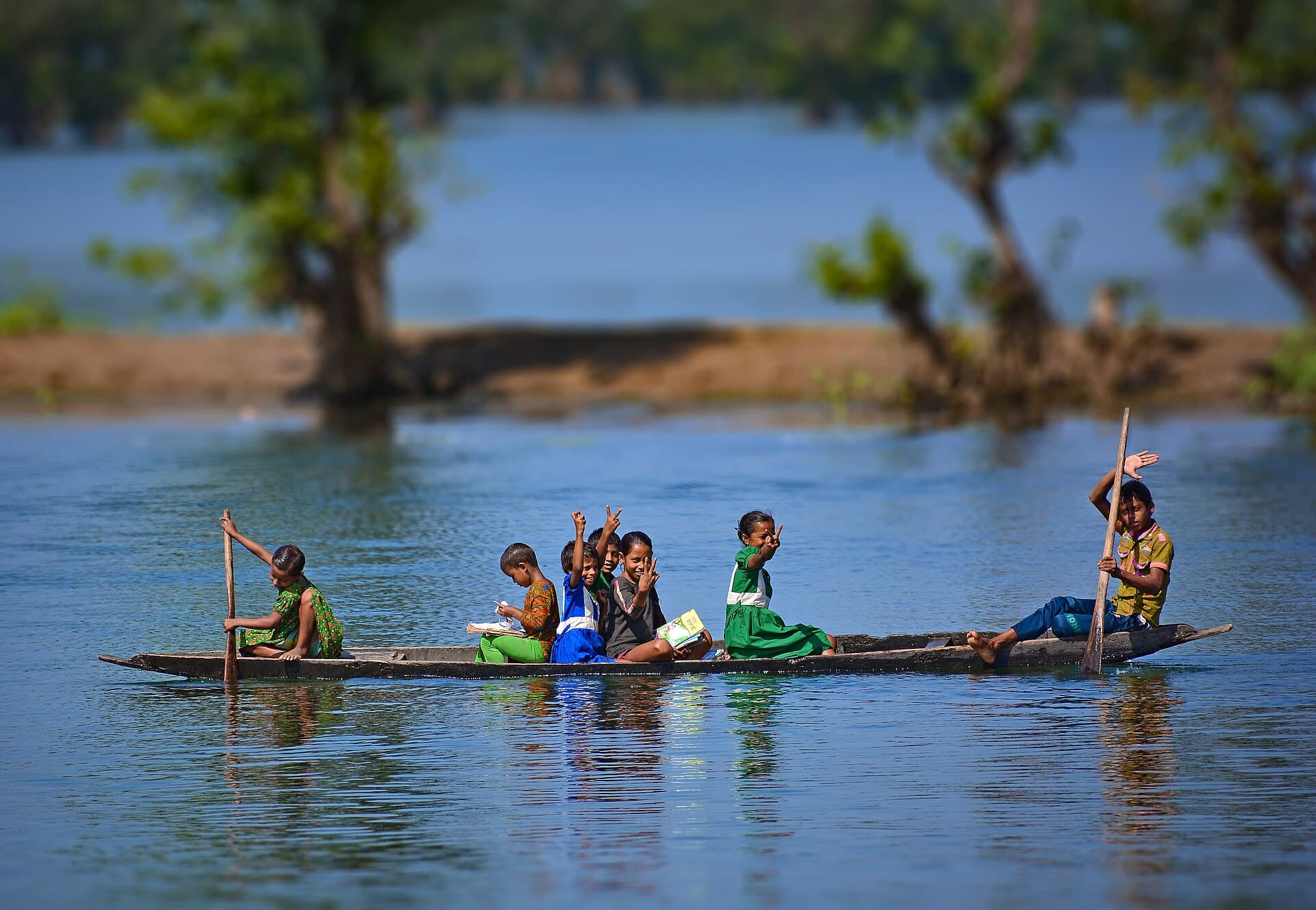
Most travellers use the city as a base and go out each morning. Within two hours you can be poling through a freshwater swamp forest, standing in a river full of boulders with Indian hills rising in front of you, or crossing a haor the size of a small sea.
Ratargul swamp forest
Ratargul is one of the few freshwater swamp forests in the world and the only one of its kind in Bangladesh — around 3,300 acres of koroch and hijol trees standing in water that rises and falls with the season.
In the monsoon, roughly June to September, the water comes up until the boats are floating among the crowns of the trees and you push through branches at head height in green half-light. In winter it drains away to a forest floor you can walk on, and the character changes completely. Both are worth seeing; only one gets photographed.
Small rowed boats take two or three people through the flooded channels, hired at the jetty. Go early, avoid Fridays and weekends when it gets genuinely crowded, and insist that your boatman does not beat the branches to flush birds for a photograph. It happens, and it does real damage in a small forest.
Jaflong and the border hills
Jaflong sits where the Dawki river comes down from Meghalaya into a wide bed of boulders. The water runs clear and cold off the hills, the Indian escarpment rises steeply on the far bank, and stone collectors work the shallows in flat wooden boats, hauling up rock by hand and by dredge.
Be honest with yourself about what this is. The riverbed has been quarried hard for years — stone extraction is the local economy — and at weekends the site fills with domestic tourists, tea stalls and boats touting for trade. On a clear winter morning with the hills sharp behind the water, it is still one of the finest settings in the country. On a grey afternoon in the middle of a crowd, it is a gravel pit with a view.
Go early, go on a weekday, and pair it with the Khasi villages at Jaintiapur or the tea gardens on the road back, which take the edge off the drive.
The city itself
In Sylhet town, the shrines of Hazrat Shahjalal and Hazrat Shahparan are the spiritual centre and busy every day of the week. Shahjalal, the fourteenth century saint credited with bringing Islam to the region, is buried under a complex of courtyards, a mosque and a tank of enormous, entirely tame catfish that pilgrims feed. It is open to visitors of any faith; dress modestly and take your shoes off at the gate.
The Ali Amjad clock tower on the bank of the Surma, the old British-era quarter, and the tea stalls around Zindabazar fill an easy afternoon. So does the food, which is the other reason to be here: Sylheti cooking leans on river fish, citrus and satkora — a knobbly local citrus cooked whole with beef — and shatkora curry is the dish to order if you see it.
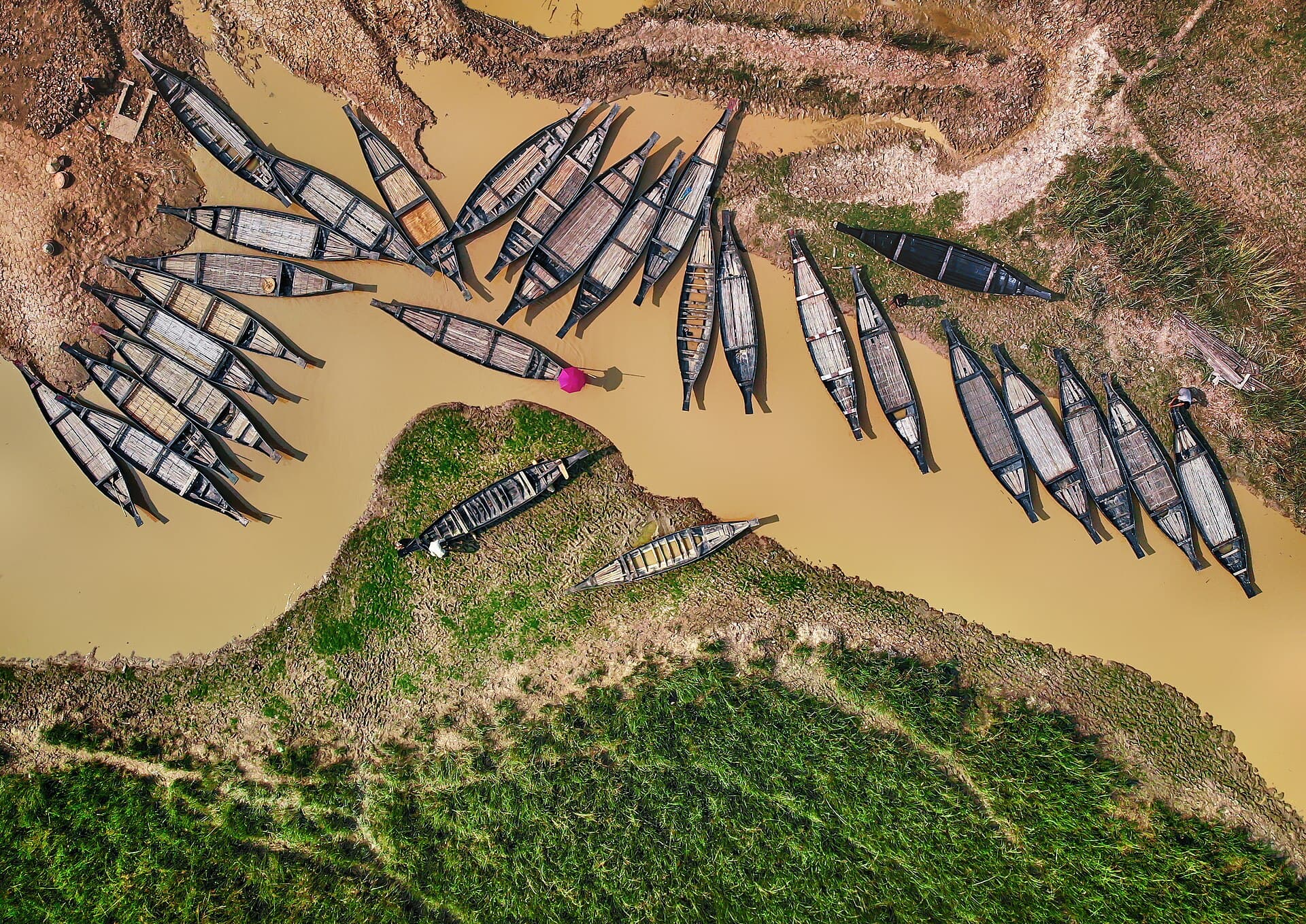
The city is also the jumping-off point for the haors, the vast seasonal wetlands north and east of town, of which Tanguar is the best known.
Sylhet in pictures

Things to do in Sylhet
Boat through Ratargul
A rowed boat through flooded forest; go at first light and outside weekends.
Jaflong and the Dawki river
Clear water, boulders and the Meghalaya hills across the border.
Hazrat Shahjalal shrine
The spiritual heart of the region; dress modestly and remove shoes.
Bisnakandi
Where three streams meet the hills at the border, with stone beds and cold water.
Lalakhal
A stretch of blue-green river best seen by boat from Sarighat.
Tanguar Haor day trip
A vast wetland north of Sunamganj, spectacular in the monsoon and in winter for birds.
Best time to visit
October to March for clear rivers, dry roads and comfortable temperatures. Ratargul is most dramatic in the monsoon, if you can accept the rain.
Ideal months
When to avoid: Peak monsoon flooding in late June to August, when roads to Jaflong and the haors are unreliable.
- Ratargul floods roughly June to September, which is when boats can float among the canopy.
- Winter mornings in the haors are cold and misty; carry a layer.
How to get there
Dhaka by air50 minutes
Frequent domestic flights to Osmani International Airport, which also handles some international routes.
Dhaka by train6–7 hours
Overnight and daytime intercity services to Sylhet station.
Dhaka by road5–6 hours
Air-conditioned coach or private car along the Dhaka–Sylhet highway.
From Srimangal1.5 hours
A short drive south, making the two an easy combined trip.
Travel tips
- Sylhet is socially conservative — dress modestly, especially around the shrines.
- Alcohol is not readily available in the region; do not plan around it.
- Hire a car with a driver for day trips; public transport to Jaflong and Bisnakandi is slow and awkward.
- Check road conditions after heavy rain before committing to a border-area day trip.
- Carry cash for boatmen and entry fees — card payment is rare outside city hotels.
Nearby attractions
Srimangal
1.5 hours
Tea estates and Lawachara rainforest, 90 minutes south.
Read the guideTanguar Haor
3 hours
A Ramsar wetland of open water and migratory birds.
Read the guideBisnakandi
2 hours
Stone beds and hill streams on the Indian border.
Sylhet: common questions
When is the best time to see Ratargul?
For the flooded forest look, go between late June and September when the water is high enough for boats to move among the trees. For dry, easy access and clearer skies, go between November and February.
Can I cross into India at Jaflong?
No. Jaflong is a viewpoint on the border, not a crossing. The nearest land crossing is Tamabil, and it requires a visa issued in advance — visa on arrival is never available at land borders.
How many days do I need in Sylhet?
Two full days covers Ratargul, Jaflong and the city. Three lets you add Bisnakandi or Lalakhal, and four makes a Tanguar Haor overnight possible.
Is Sylhet a good base for the haors?
It is the usual base, though Sunamganj is closer to Tanguar Haor. Most operators run haor trips from Sylhet with an early start.
Where to go next
Sylhet Division
Srimangal
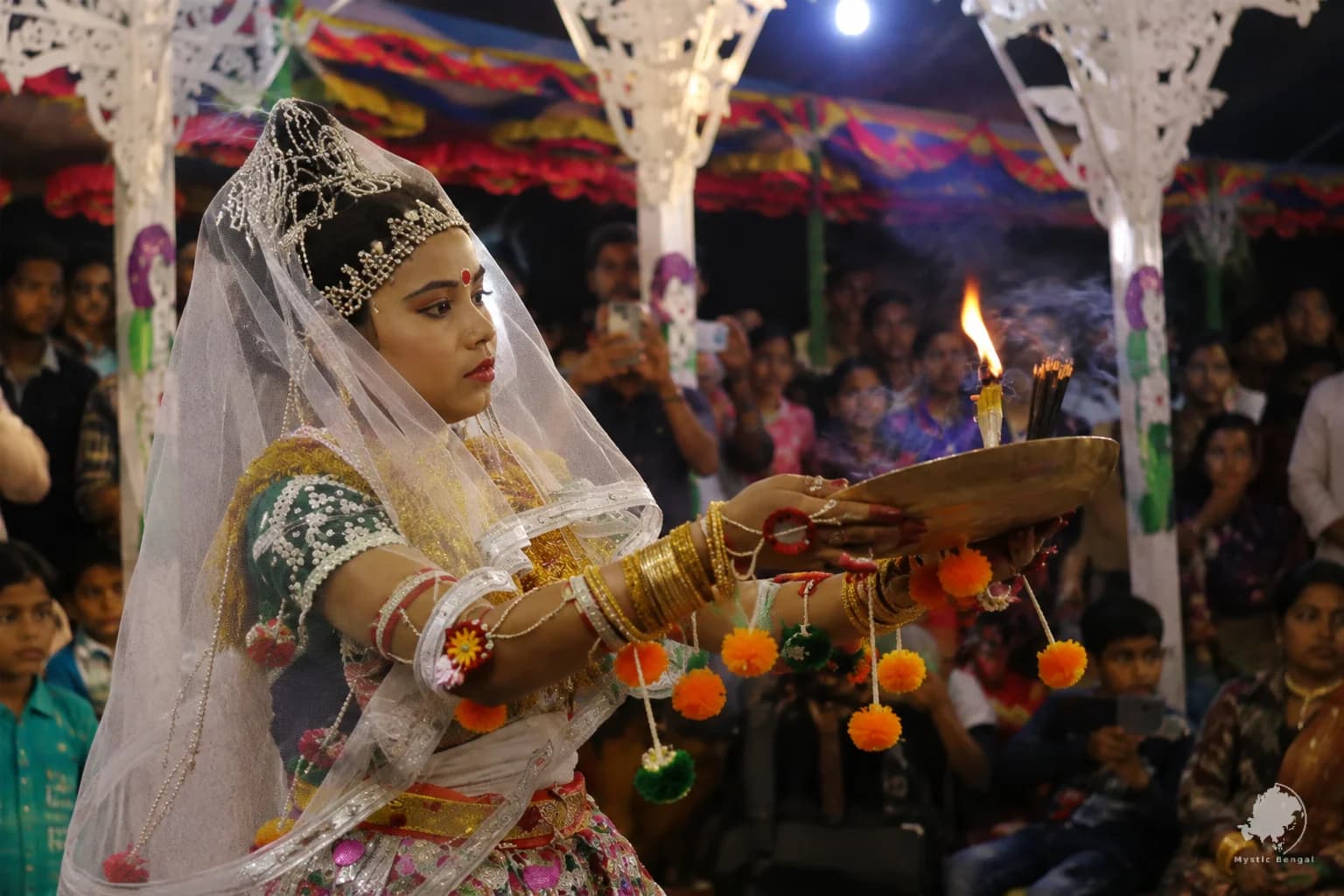
The tea capital of Bangladesh: rolling green estates, seven-layer tea, rainforest trails at Lawachara and the easiest slow days in the country.
Khulna Division
The Sundarbans
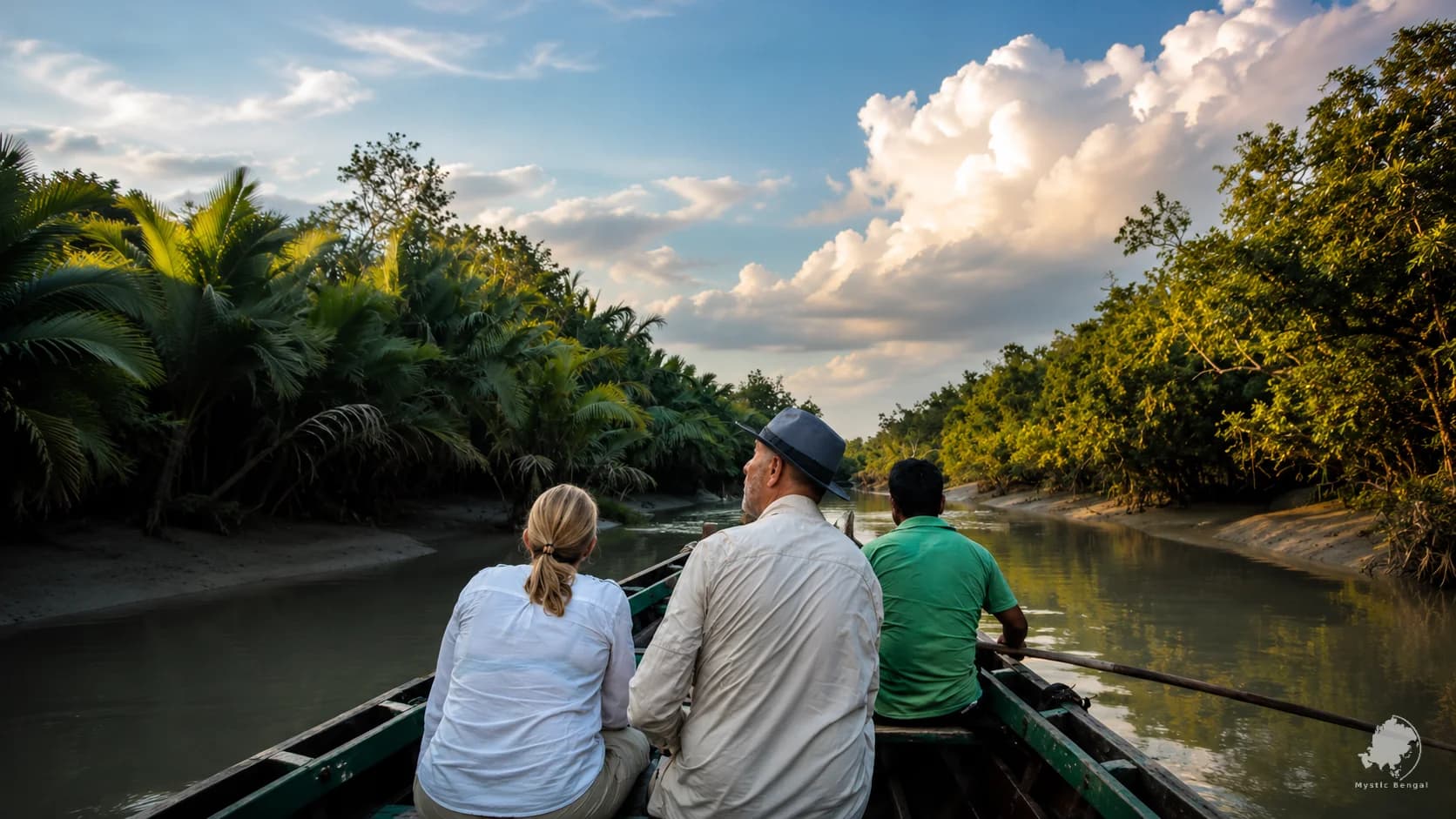
The largest mangrove forest on earth, and the only one where tigers swim between islands. Three nights on a live-aboard boat is the way to see it.
Chattogram Division
Cox's Bazar
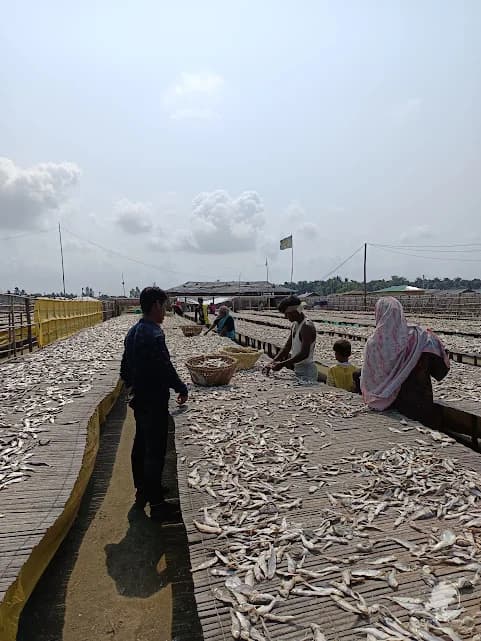
The longest natural sea beach in the world — 120 kilometres of unbroken sand, best experienced away from the crowded main strip.
Travel to Sylhet with a local team
We handle permits, transport, guides and the timing that makes the difference between a good trip and a wasted one.
Sources and further reading
- Sylhet — Wikipedia
- Ratargul Swamp Forest — Wikipedia
- Shrine of Hazrat Shahjalal — Wikipedia