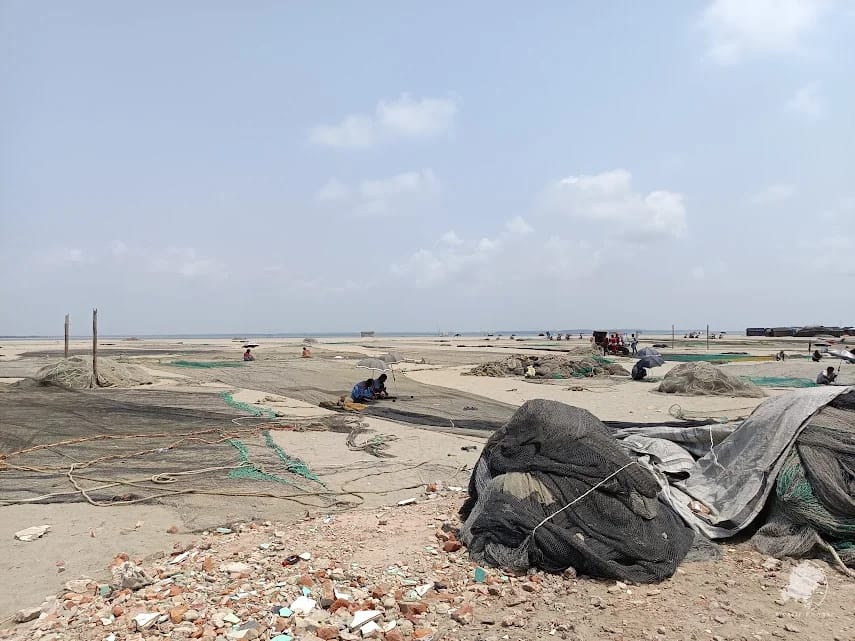
Cox's Bazar runs 120 kilometres down the southeast coast in one unbroken line of sand, which makes it the longest natural sea beach in the world and the single most visited destination in Bangladesh. In season, several hundred thousand Bangladeshis come here for their holidays, and the town end shows it.
That reputation cuts both ways. Foreign visitors sometimes arrive expecting Thailand and leave disappointed; others write the place off entirely on the strength of a photograph of the hotel strip. Both are missing the point. This is a domestic seaside resort first — loud, cheerful, thoroughly Bangladeshi — and a very good beach second, provided you know where to stand.
The trick is simply distance. The town end is busy, built up and loud. Ten kilometres south the crowds thin out completely, and by the time you reach Inani and Teknaf you have wide beach, low cliffs and fishing boats to yourself. Where you stay decides which of those two Cox's Bazars you experience.
The beach, honestly described
Laboni, Sugandha and Kolatoli are the three main access points at the town end, all within walking distance of the hotel strip. They are lively rather than idyllic: rows of beach chairs under bright umbrellas, horse rides, photographers who will print your picture while you wait, food stalls selling fried crab and green coconut, and a great many people at sunset. Go with the mood or avoid it altogether — there is no half measure.
Swimming here needs a little care. The Bay of Bengal generates real currents and the safe stretches are flagged and patrolled; lifeguards work set hours and stop for the day earlier than you might expect. Stay between the flags, and treat the sea with more caution than the crowds around you seem to.
Drive south along the marine drive and it changes fast. Himchari has waterfalls running down to the road and a viewpoint over the water. Inani is the one to aim for — a long beach of coral-coloured boulders exposed at low tide, almost empty on a weekday morning. Teknaf, at the far end, is where the country simply runs out, with Myanmar visible across the Naf river.
The marine drive
The 80 kilometre coastal road from Cox’s Bazar to Teknaf runs with the sea on one side and green hills on the other, and it is one of the best drives in Bangladesh — arguably the best. Built along the shoreline, it puts you close enough to the water that spray reaches the windscreen in rough weather.
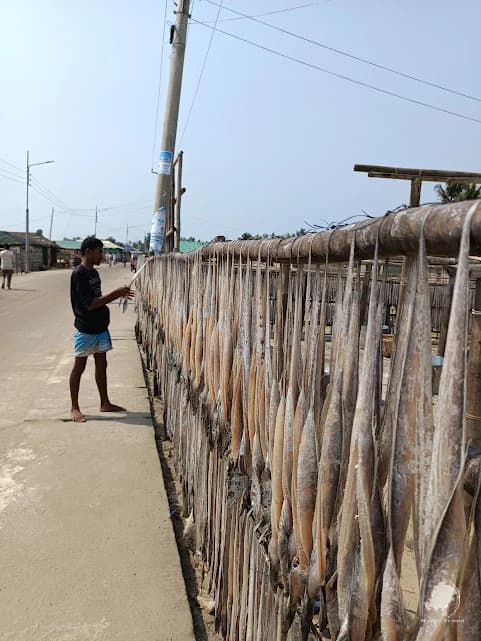
Hire a car for a half day, or an open-sided jeep if you want the wind, and stop wherever the beach looks good. There is no fixed itinerary worth following; the pleasure is in pulling over at an empty stretch and having several hundred metres of sand to yourself. Fishing boats are pulled up at intervals along the whole length, and around Shamlapur you will find one of the biggest fleets on the coast.
Set out mid-morning and time the return for sunset, with the sea on your right the whole way back.
Beyond the sand
Cox's Bazar is also a base, and the surrounding area is more interesting than the beach itself. Saint Martin's Island boats leave from Teknaf during the short permitted season. Maheshkhali island is a 30 minute speedboat ride across the channel, with the hilltop Adinath temple and a working betel-leaf economy. Sonadia, further out, is a birding island of mudflats and migratory waders.
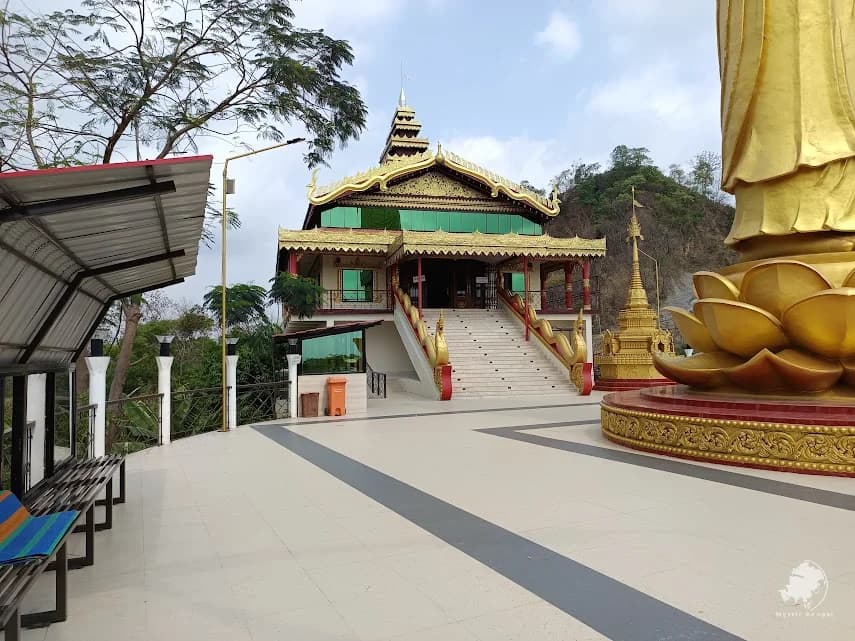
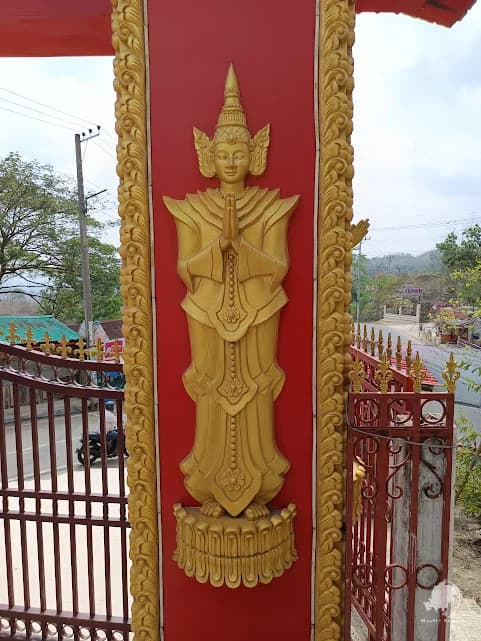
Inland at Ramu, a cluster of Buddhist monasteries and a large reclining Buddha mark a very different cultural history from central Bangladesh — this coast has been Buddhist, Arakanese and Bengali by turns, and it shows in the food, the faces and the architecture.
Add the Rohingya refugee settlements around Ukhia and Kutupalong, the largest in the world, which sit along the road south. They are not a sight to visit and access is restricted, but understanding that they are there changes how you read this coastline.
Cox's Bazar in pictures
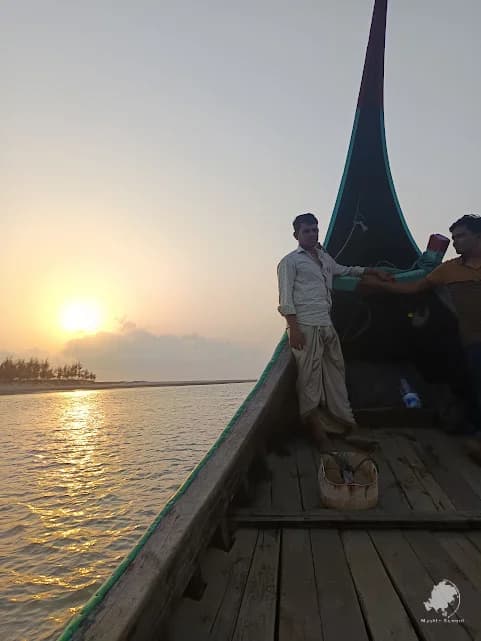
Things to do in Cox's Bazar
Sunset at Laboni Point
The classic. Get there 40 minutes early and walk south along the sand until the crowd thins.
Marine drive to Teknaf
A half-day drive along the coast with stops at Himchari, Inani and viewpoints over the Naf River.
Inani rock beach
Coral-like rock formations exposed at low tide, best in the early morning.
Maheshkhali Island
A speedboat across the channel to Adinath Temple, betel-leaf gardens and a slower way of life.
Ramu Buddhist village
Wooden monasteries and a large reclining Buddha, 30 minutes inland.
Fish market at dawn
The catch lands early at the fishing ghat — go at 6am for the real thing.
Best time to visit
November to March gives you dry days, comfortable sea temperatures and calm water. December and January are peak season and busy.
Ideal months
When to avoid: June to September. The monsoon brings heavy rain, dangerous currents and red flags on the beach.
- Book well ahead for Eid holidays and mid-December to early January, when hotel rates double.
- Sea swimming is safest between the flags; rip currents are common and lifeguard cover is limited.
How to get there
Dhaka by air1 hour
Direct flights to Cox's Bazar airport several times daily. Easily the fastest option.
Dhaka by night coach9–10 hours
Air-conditioned overnight buses leave Dhaka in the evening and arrive at dawn.
Dhaka by train and road8–9 hours
Direct trains now run to Cox's Bazar; check current schedules and book Snigdha class.
From Chattogram4 hours
Bus or car down the coastal highway, an easy add-on if you are already in Chattogram.
Travel tips
- Stay south of Kolatoli if you want quiet; stay near Laboni if you want food and nightlife on your doorstep.
- Swim between the flags and take rip current warnings seriously.
- Dress modestly on the beach — this is a conservative coastline and most local visitors swim clothed.
- Negotiate beach photographer and horse ride prices before you agree to anything.
- Saint Martin's boats run only in season and require a travel pass; confirm before you build a trip around it.
Nearby attractions
Saint Martin's Island
3 hours by road plus ferry
The only coral island in Bangladesh, reached by boat from Teknaf in season.
Read the guideHimchari National Park
20 minutes
Waterfalls and a hill viewpoint over the Bay of Bengal.
Ramu
30 minutes
Buddhist monasteries, weaving workshops and a large reclining Buddha.
Cox's Bazar: common questions
Is Cox's Bazar really the longest beach in the world?
It is widely described as the longest natural unbroken sea beach, running about 120 kilometres from the town down to Teknaf. Definitions vary between sources, but the scale is real — you can drive for over an hour with sand on one side the whole way.
How many days do I need in Cox's Bazar?
Two nights is enough for the beach, a sunset and the marine drive. Add a night if you want Maheshkhali or Ramu, and three extra days if you plan to continue to Saint Martin's Island.
Can women swim at the beach?
Yes, and there are separate women-only bathing zones at the main beaches. Most Bangladeshi women swim fully clothed; foreign visitors are more comfortable in a rash vest and shorts than in swimwear alone.
What is the best time to visit Cox's Bazar?
November to March. The sea is calm, days are dry and warm, and evenings are pleasant. Avoid the June to September monsoon when currents are dangerous.
Where to go next

Chattogram Division
Saint Martin's Island
The only coral island in Bangladesh: clear water, coconut palms and a strict seasonal visitor cap that you must plan around.
Khulna Division
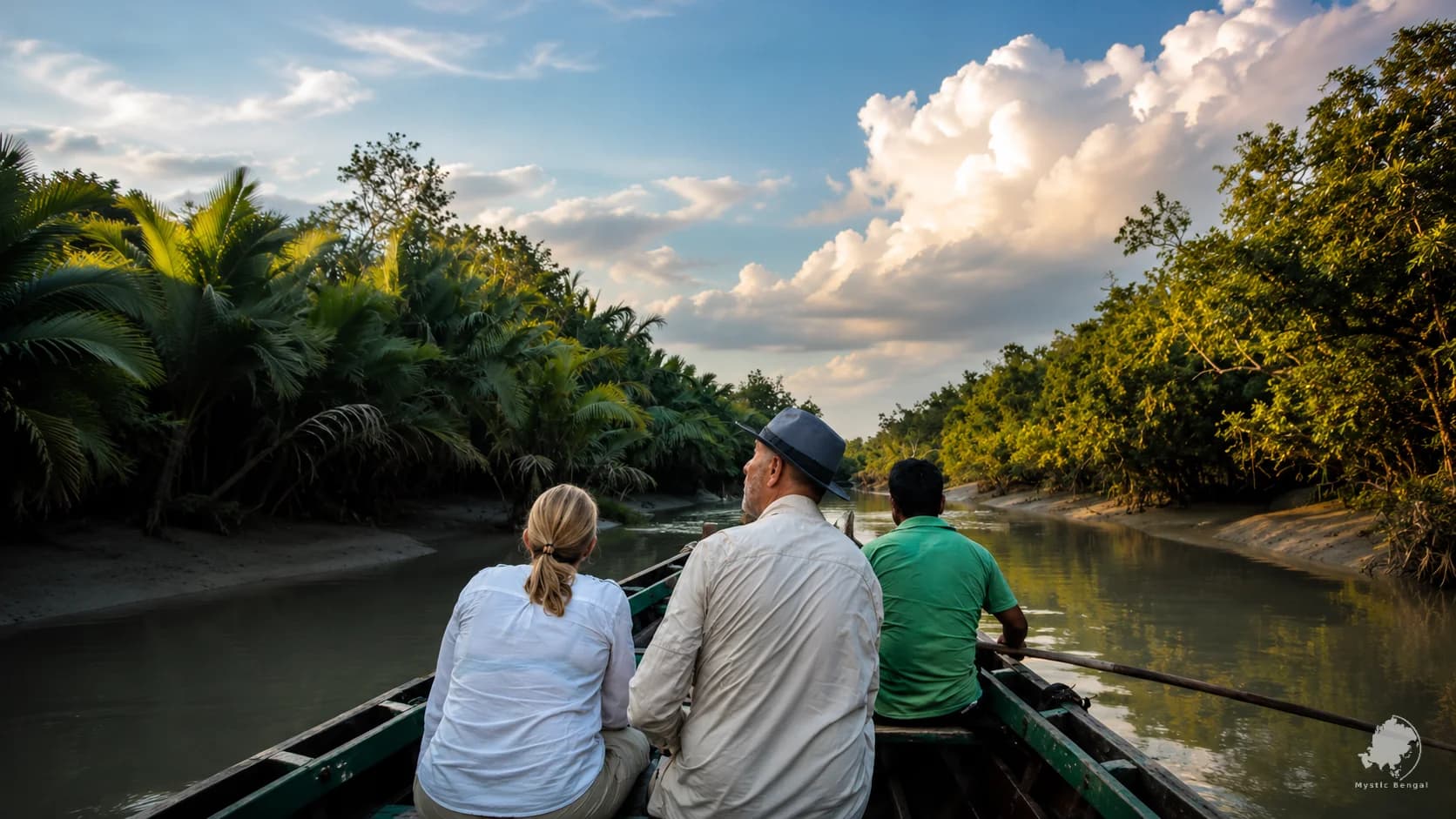
The Sundarbans
The largest mangrove forest on earth, and the only one where tigers swim between islands. Three nights on a live-aboard boat is the way to see it.
Sylhet Division
Srimangal
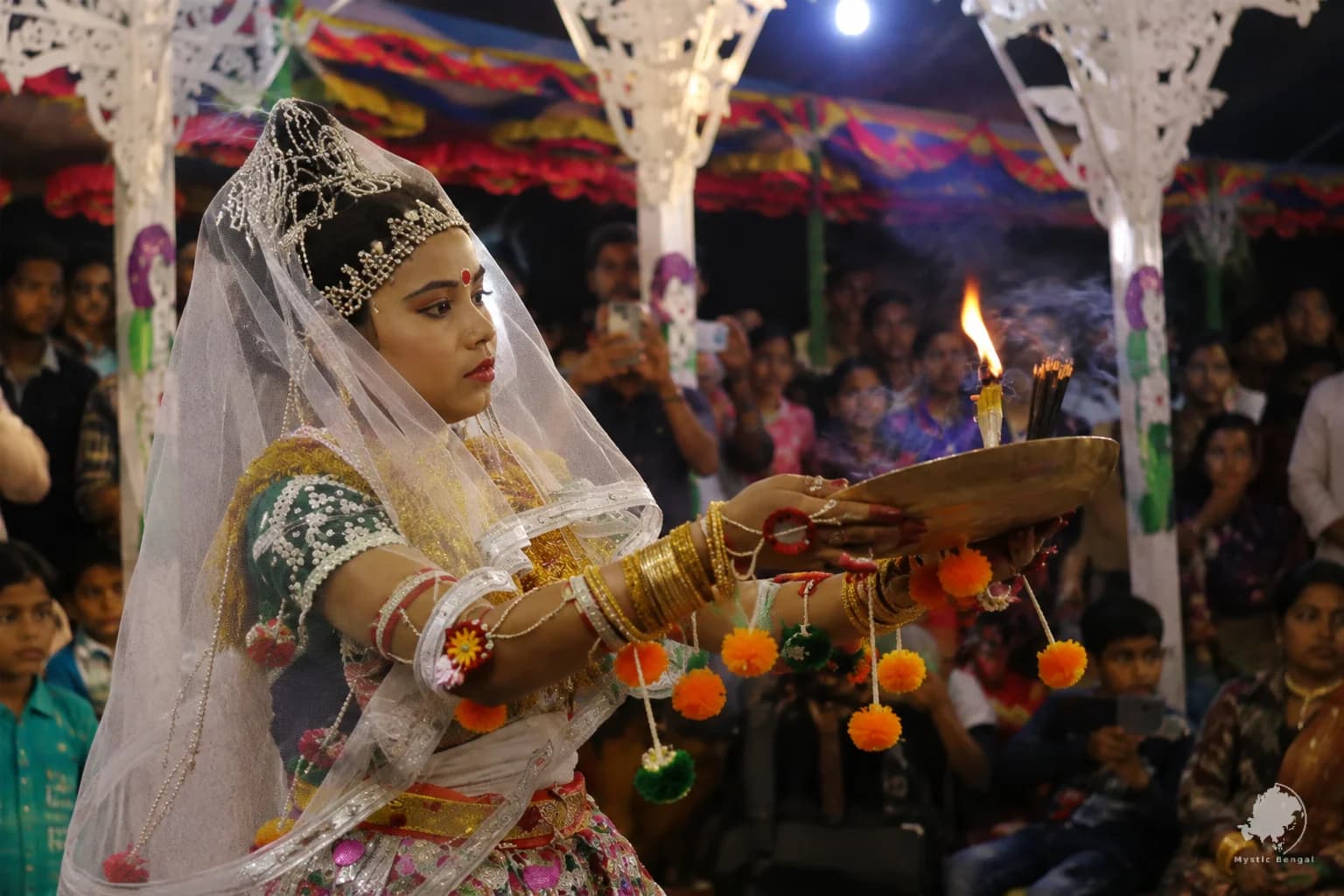
The tea capital of Bangladesh: rolling green estates, seven-layer tea, rainforest trails at Lawachara and the easiest slow days in the country.
Travel to Cox's Bazar with a local team
We handle permits, transport, guides and the timing that makes the difference between a good trip and a wasted one.
Sources and further reading
- Cox's Bazar — Wikipedia
- Cox’s Bazar–Teknaf Marine Drive — Wikipedia