
Rangamati sits on a peninsula in Kaptai Lake, a reservoir created in the 1960s when a dam was built across the Karnaphuli river for hydroelectric power. The water rose over valleys, farmland and the old Chakma royal seat, displacing something like a hundred thousand people, and left behind a maze of islands, inlets and drowned trees still standing where the shoreline used to be.
That history sits underneath everything here. The lake is beautiful and it is also a monument to a displacement the hill communities have never quite been compensated for.
Boats do the work of roads. It is the gentlest introduction to the Chittagong Hill Tracts — less strenuous than Bandarban, easy to reach from Chattogram, and the best place to meet Chakma and Marma communities without committing to a multi-day trek.
Kaptai Lake
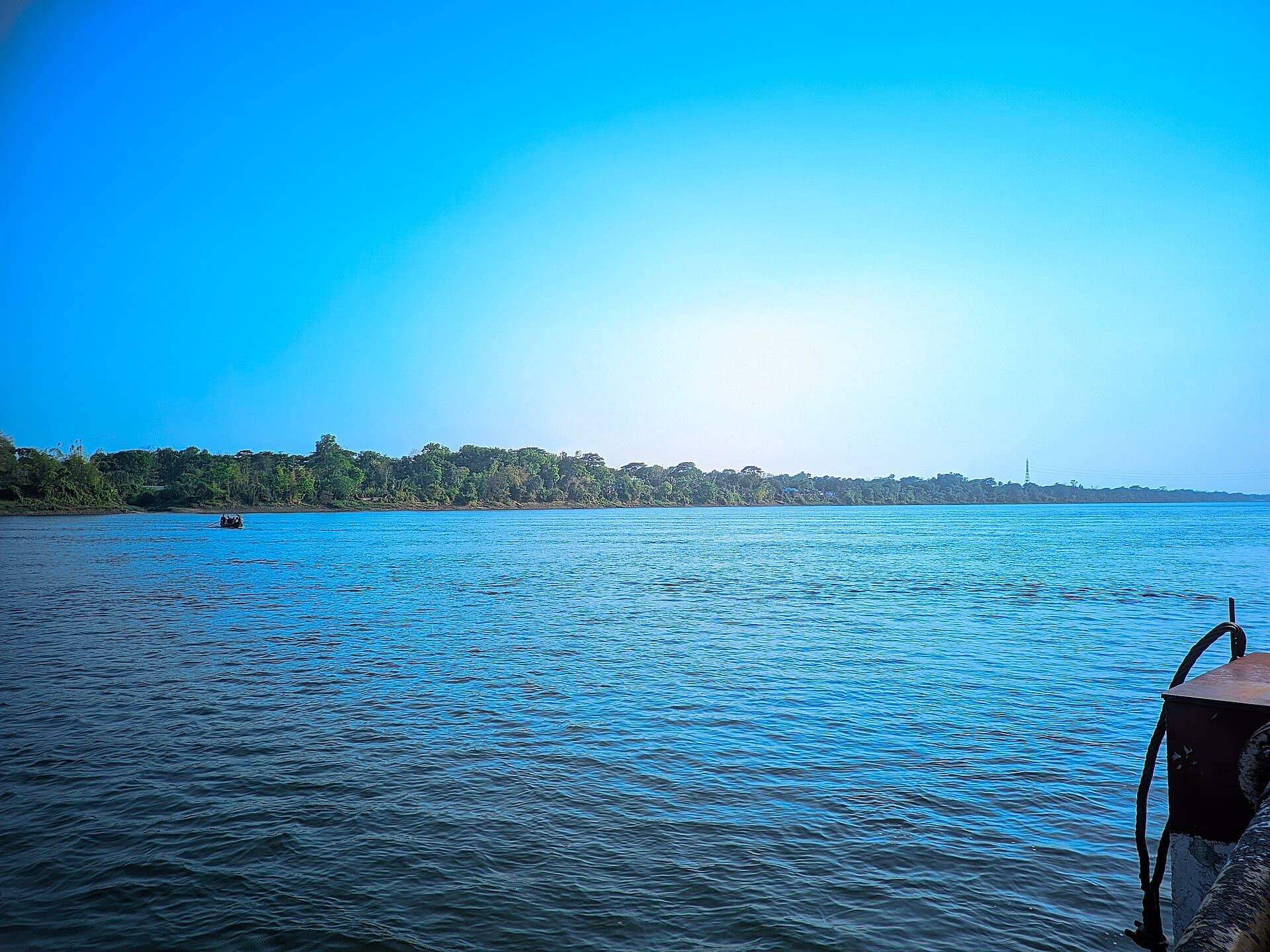
The lake covers around 700 square kilometres and reaches deep into the hills, which means a day on it never quite repeats itself. A half-day boat hire takes you past floating markets, bamboo fishing platforms, hillside villages reached only by water, and stands of dead trees standing in the shallows like posts.
Hire a boat for a fixed number of hours rather than per stop, agree the route before you leave the jetty, and start early — the morning light on the water is far better and the wind picks up after midday. A country boat costs a fraction of a speedboat and is much the nicer way to travel if you are not in a hurry.
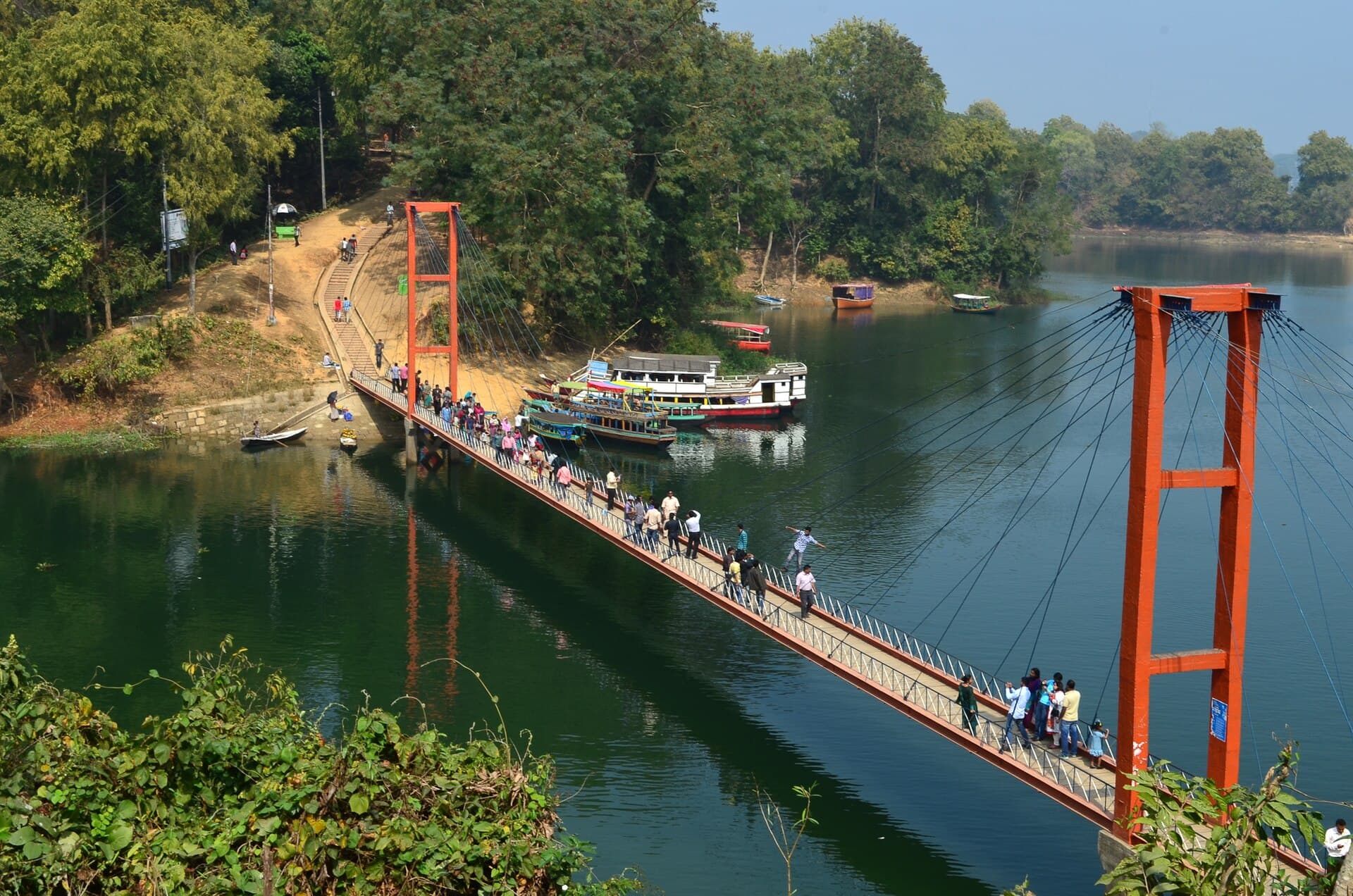
The hanging bridge at Rangamati is the postcard shot and worth ten minutes, though it is often partly submerged when the water is high. Shuvolong, about an hour out by boat, has a waterfall that is impressive in the monsoon and a trickle in March.
Culture in the hill tracts
Rangamati is the seat of the Chakma Raj and the easiest place in Bangladesh to see hill tract weaving, food and Buddhist practice at close quarters. The tribal cultural museum in town is a useful primer — dress, tools, instruments, photographs — and the Rajbari and the Buddhist temples around the lake are the living version of the same thing.
The Chakma are Theravada Buddhists, and the monasteries around the water follow the same tradition you would recognise from Myanmar or Thailand rather than anything in the Bengali plains. Rajban Vihara, on the lake shore, is the largest and most active.
Backstrap-loom textiles sold in the town market are woven in nearby villages, and buying directly from the weavers or a village cooperative puts the money where it belongs rather than with a middleman. Look for the geometric bands of a Chakma pinon; they take days to weave and cost less than they should.
Getting on the water
Sajek Valley, further north in Rangamati district, has become the most popular hill destination in the country for domestic tourists — a ridge-top cluster of resorts famous for waking above a valley filled with cloud. It is spectacular and it is also busy, booked out weeks ahead in season, and reached by a long, rough drive that is usually approached from Khagrachhari rather than Rangamati town.
If you want the same view with a tenth of the people, stay on the lake and take a boat somewhere at dawn instead. The cloud does the same thing over Kaptai; it simply has no resort attached to it.
Rangamati in pictures

Things to do in Rangamati
Kaptai Lake boat trip
Half a day among islands, villages and drowned forest. The main event.
The hanging bridge
A 335 foot suspension footbridge over an inlet, submerged when the water is high.
Chakma Rajbari and temples
The royal residence and lakeside Buddhist temples reached by boat.
Tribal Cultural Museum
A small, well-organised introduction to the eleven hill communities.
Peda Ting Ting
An island restaurant on the lake serving hill-tract food; go for lunch by boat.
Sajek Valley
A ridge-top viewpoint famous for cloud at sunrise, usually approached via Khagrachhari.
Best time to visit
October to March. The lake is full after the rains, the air is clear and boat travel is comfortable.
Ideal months
When to avoid: Peak monsoon, when heavy rain limits boat trips and hill roads deteriorate.
- The hanging bridge is partly underwater when the reservoir is at its highest, usually late in the monsoon.
- Water levels drop through the dry season, which exposes more of the drowned forest.
How to get there
Dhaka to Chattogram, then road1 hour flight + 2.5 hours
Fly or take the train to Chattogram, then drive into the hills to Rangamati.
Dhaka by night coach9 hours
Direct overnight coaches run from Dhaka to Rangamati.
From Chattogram2.5 hours
A straightforward drive northeast on a good road.
Around the district
By boat. Many villages have no road access at all.
Travel tips
- Foreign travellers need hill tracts permission and a registered guide, as in Bandarban.
- Agree boat hire by the hour and confirm the route before leaving the jetty.
- Buy textiles directly from weavers or the town market rather than roadside stalls.
- Ask before photographing people and inside temples.
- Carry cash — card acceptance outside the main hotels is minimal.
Nearby attractions
Bandarban
4 hours
Higher, wilder hills and the country’s best trekking, south through the district.
Read the guideKaptai
1.5 hours
The dam and forest reserve at the southern end of the lake.
Chattogram
2.5 hours
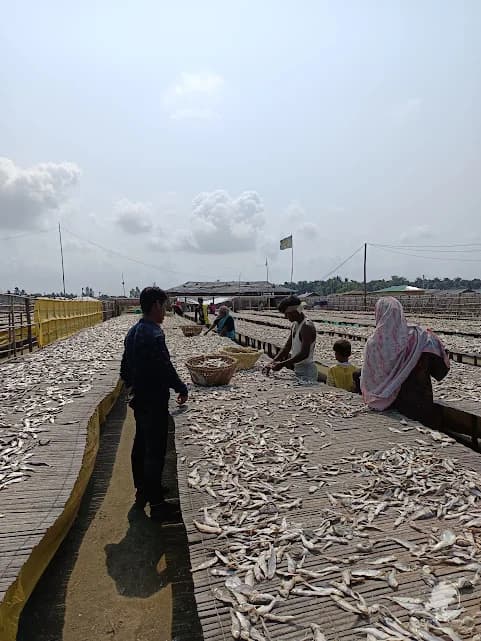
The port city, ship-breaking coast and gateway to the hills.
Rangamati: common questions
Do I need a permit for Rangamati?
Foreign travellers need district administration permission for the Chittagong Hill Tracts, including Rangamati, and must travel with a registered local guide. Your operator files this in advance.
How long should I stay in Rangamati?
Two nights. One full day on the lake, one for the museum, Rajbari and market. Add days if you plan to continue to Sajek or Bandarban.
Is Sajek Valley in Rangamati?
Administratively yes, but it is normally reached from Khagrachhari, not Rangamati town — the direct route is long and rough. Treat it as a separate trip.
What food is Rangamati known for?
Hill tract cooking: bamboo-cooked chicken, smoked and dried fish, fresh lake fish, and vegetables with far more chilli than plains cooking. Island restaurants on the lake are the easiest place to try it.
Where to go next
Chattogram Division
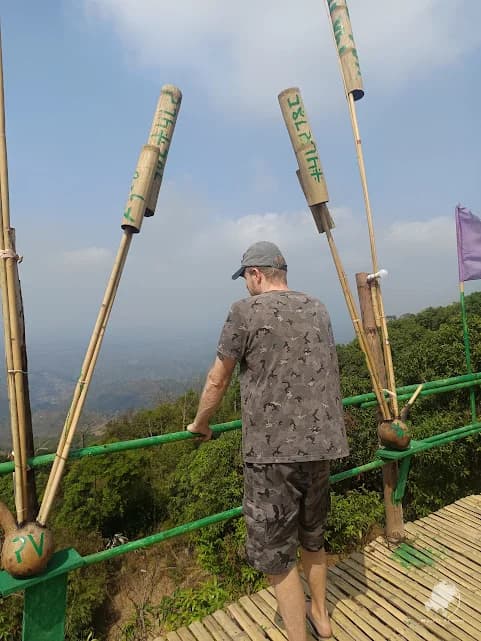
Bandarban
The highest and wildest of the Chittagong Hill Tracts: cloud-level viewpoints, Marma and Mro villages, and the country’s best trekking.
Khulna Division
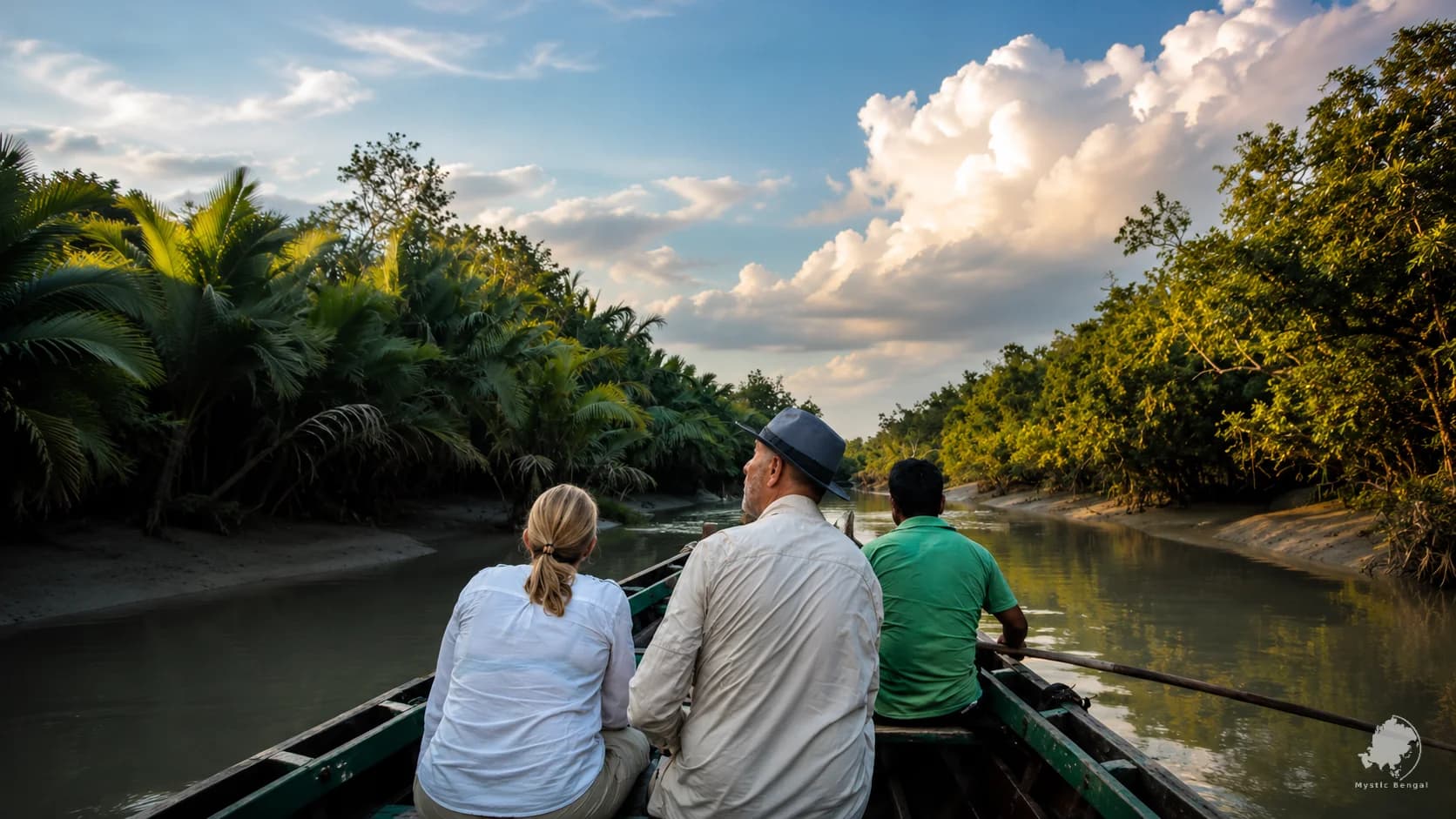
The Sundarbans
The largest mangrove forest on earth, and the only one where tigers swim between islands. Three nights on a live-aboard boat is the way to see it.
Chattogram Division
Cox's Bazar
The longest natural sea beach in the world — 120 kilometres of unbroken sand, best experienced away from the crowded main strip.
Travel to Rangamati with a local team
We handle permits, transport, guides and the timing that makes the difference between a good trip and a wasted one.
Sources and further reading
- Rangamati — Wikipedia
- Kaptai Lake — Wikipedia