
Dinajpur sits up in the far north-west, closer to the Indian border than to anywhere most visitors have heard of, and it holds the single most decorated building in the country. Kantajew Temple — Kantanagar, Kantaji, the spelling shifts depending on who you ask — is covered from plinth to cornice in terracotta panels. Not a band of them. All of it.
The rest of the district is a good, slow supporting cast: an 18th century lake big enough to lose the far bank in haze, a small Mughal-era mosque built by the masons who worked on the temple, and a decaying rajbari with its own temple courtyard.
Two days is right. Most people come up from Dhaka overnight or fly to Saidpur, spend a day on the temple and Nayabad and another on Ramsagar and the town, then carry on to Rangpur or down to Bogura.
Kantajew Temple
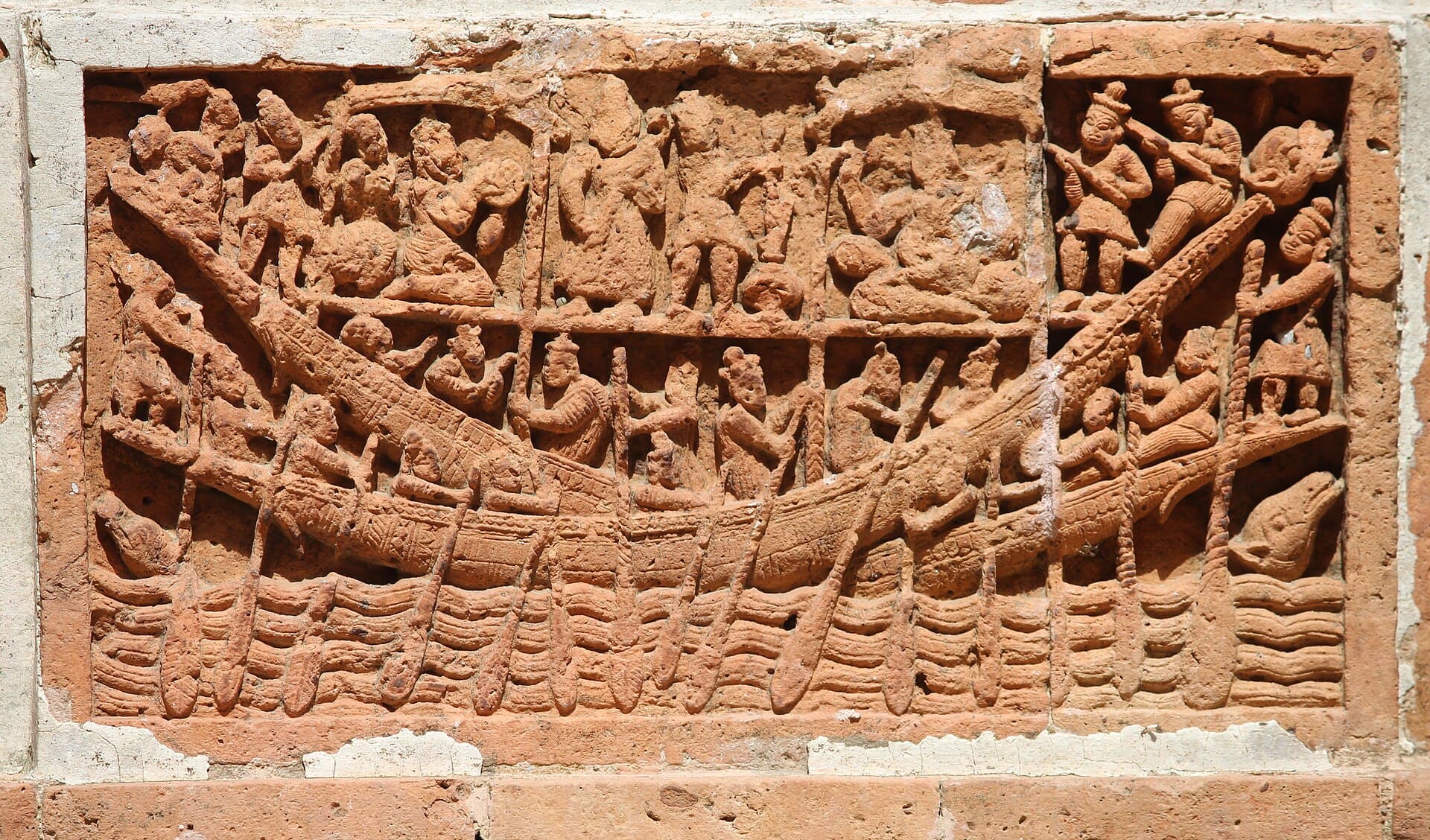
Maharaja Pran Nath of Dinajpur began the temple and his adopted son Ramnath finished it in 1752. It is a navaratna — nine-spired — temple on a raised plinth, and every square centimetre of its outer brick is covered in terracotta plaques. Estimates run to around fifteen thousand of them.
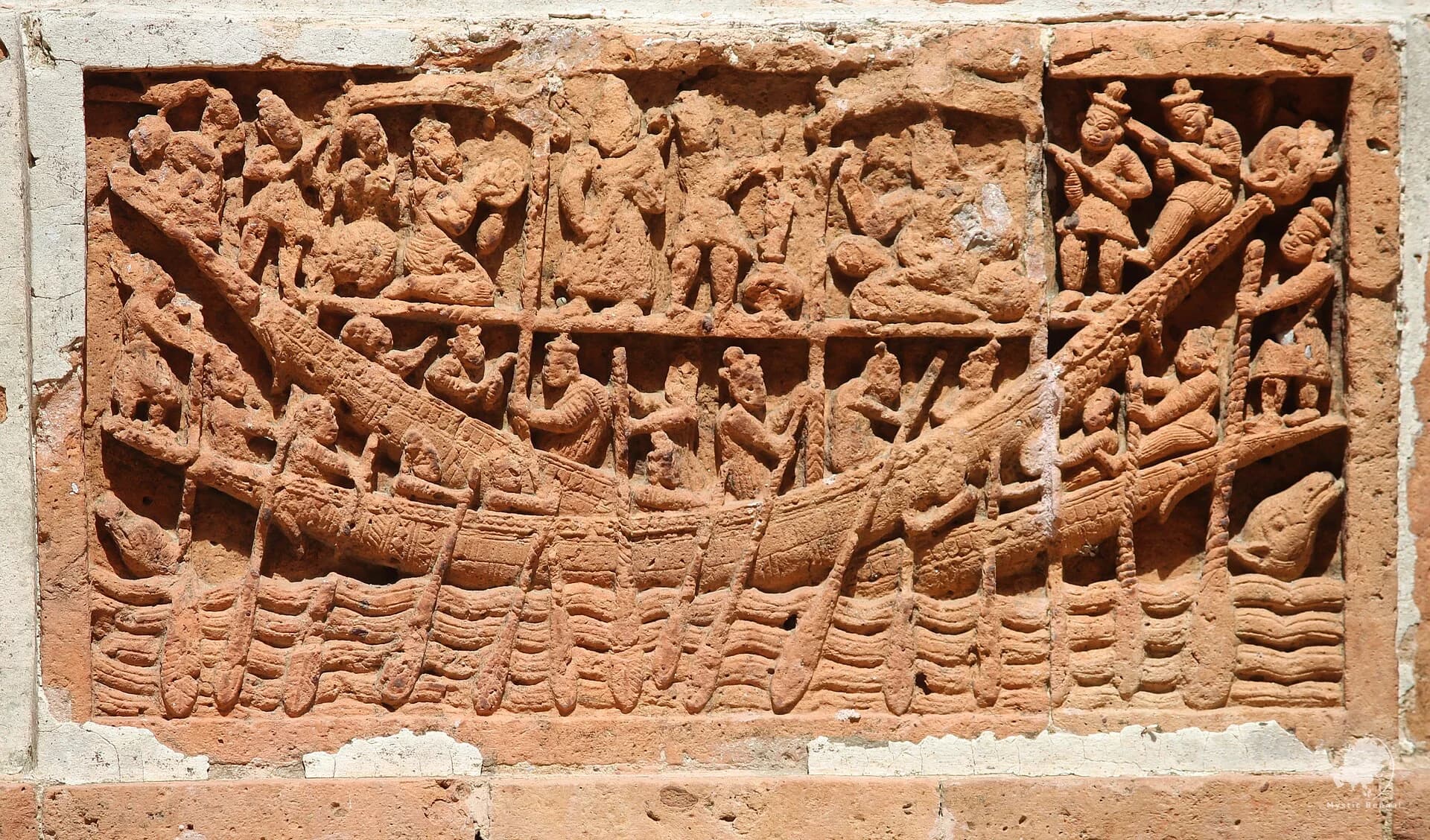
What makes it worth the journey north is what is on those plaques. The Ramayana and the Mahabharata run around the walls as you would expect, and then, at eye level, so does 18th century Bengal: Mughal officers on horseback, European traders in hats, women at their toilette, hunting scenes, boats, a man smoking a hookah. It is the closest thing the country has to a photographic record of the period, fired into clay by craftsmen who clearly enjoyed themselves.
The nine spires came down in the 1897 Assam earthquake and were never rebuilt, so the temple you see is flat-topped rather than the silhouette it was designed to have. It is still in use — the Rash Mela in November brings thousands of pilgrims and a fair that runs for the best part of a month.
Nayabad Mosque
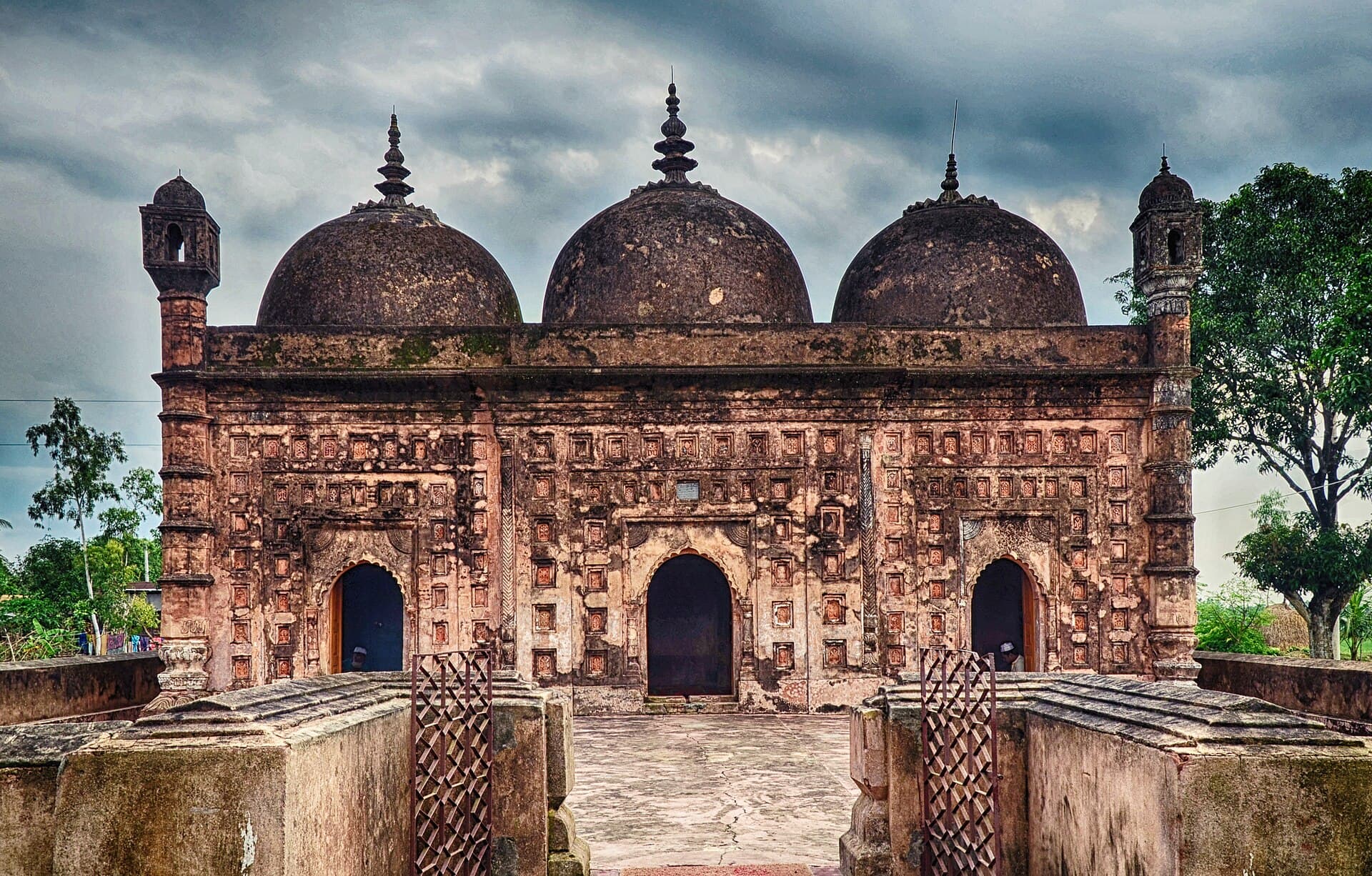
A kilometre and a half from the temple, across the Dhepa river, is a small three-domed mosque built in 1793. Local tradition holds that the masons who came from the west to work on Kantajew settled at Nayabad afterwards and built this for themselves, and looking at the terracotta on the facade — floral panels in the same idiom, if far simpler — the story is easy to believe.
It takes fifteen minutes to see and almost nobody bothers, which is exactly why you should. It is still the village mosque.
Ramsagar and Dinajpur Rajbari
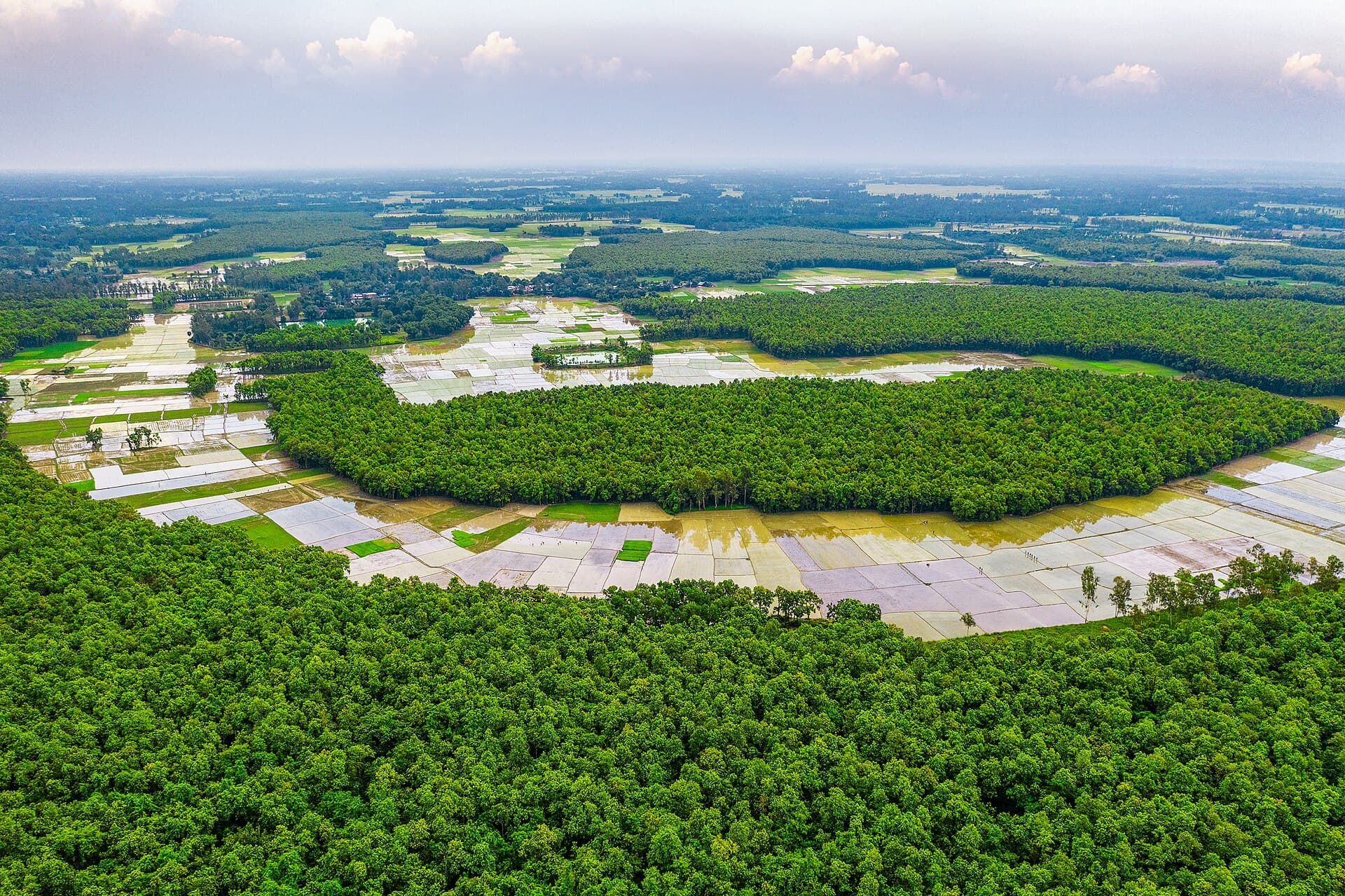
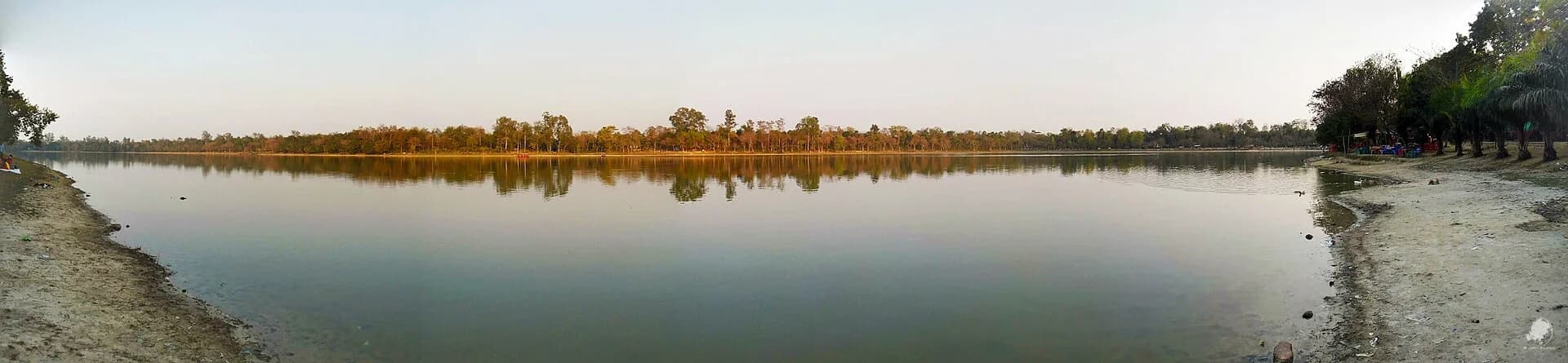
Ramsagar is a tank in the way that a reservoir is a puddle — roughly 1,070 metres long and 190 wide, dug in the 1750s under Raja Ramnath, reportedly to relieve a drought. The far bank hazes out on a hot afternoon. It is a national park now, with sal woodland around the water, spotted deer in an enclosure, and picnicking families at weekends. Winter brings migratory duck.
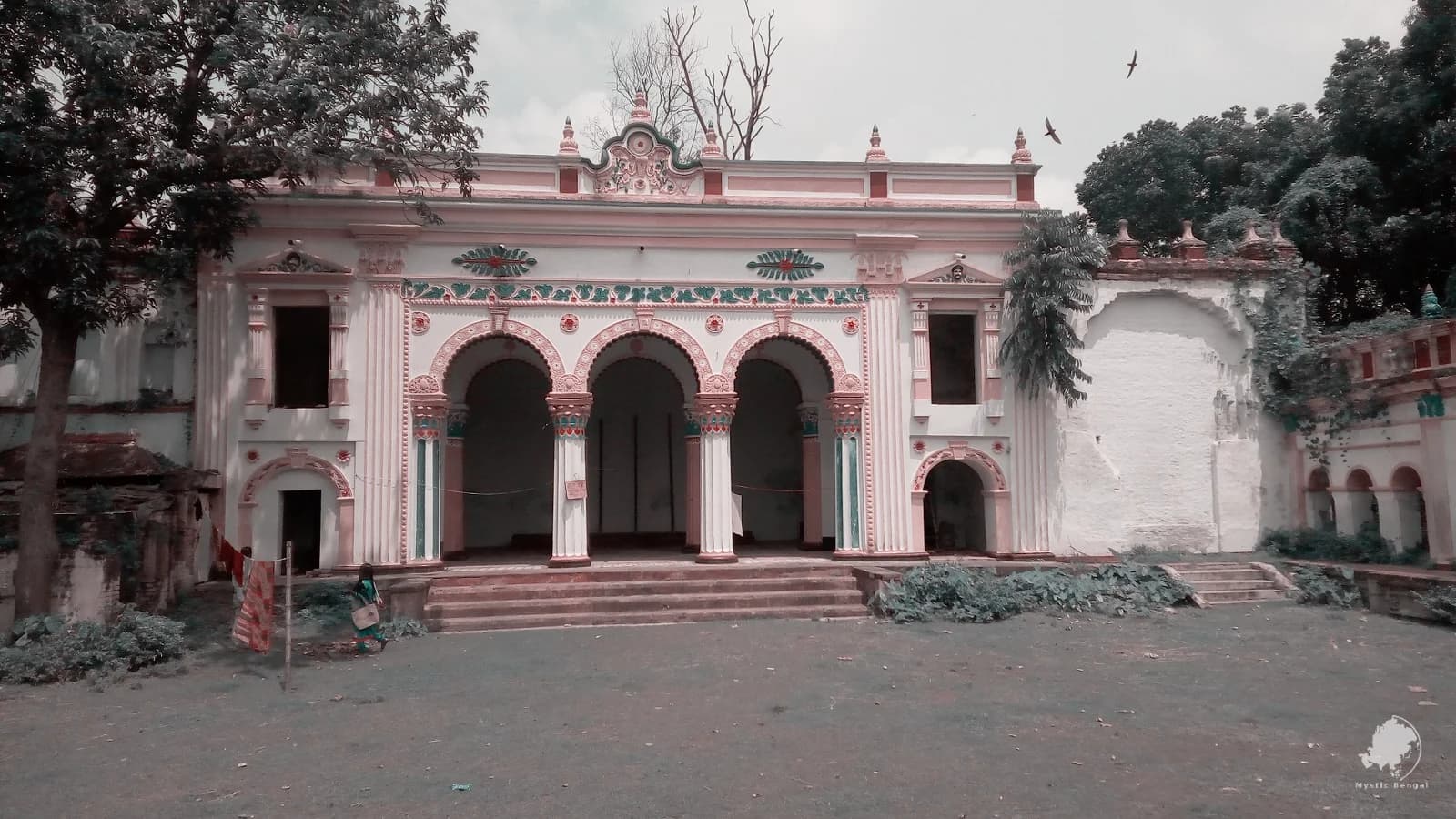
The Dinajpur Rajbari, in the town, is the other side of the same family’s story. The palace complex was abandoned at Partition in 1947 and has been coming apart ever since — pillared halls open to the sky, a Krishna temple in the courtyard, plaster falling off in sheets. It is unrestored and slightly hazardous underfoot, and far more atmospheric for it.
If you have a third day, Sitakot Vihara at Nawabganj is an 8th century Buddhist monastery excavated down to its foundation plan, and Swapnapuri is a large local amusement park that is mostly of interest if you are travelling with children.
Dinajpur in pictures
Things to do in Dinajpur
Kantajew Temple
Fifteen thousand terracotta plaques covering every outer surface. Give it two hours and walk the walls twice — once for the epics, once for the everyday scenes.
Nayabad Mosque
A small 1793 mosque built by the temple’s masons, fifteen minutes away across the Dhepa.
Ramsagar National Park
A kilometre-long 18th century tank with sal woodland, deer and a walking path around the water.
Dinajpur Rajbari
An unrestored palace complex abandoned in 1947, with a Krishna temple standing in the courtyard.
Rash Mela at Kantanagar
A November festival and month-long fair around the temple — the one time of year the site is genuinely crowded.
Sitakot Vihara
The excavated plan of an 8th century Buddhist monastery at Nawabganj, an hour from town.
Dinajpur rice and lychees
The district grows the best rice in Bangladesh and its lychees are famous in May and June.
Best time to visit
October to March. Dinajpur has the coldest winters in Bangladesh, which makes it a pleasant time to be outdoors — bring a jacket for the mornings.
Ideal months
When to avoid: April to June, when the north-west heats up badly, and July to September, when heavy rain makes the temple approach muddy.
- The Rash Mela at Kantajew falls in November and is worth timing for, though accommodation fills.
- December and January nights can drop near 5°C, unusually cold for Bangladesh.
- Lychee season is May to June, if you can take the heat.
How to get there
Dhaka to Dinajpur by train9–10 hours
The Drutajan and Ekota intercity services run overnight and through the day. Book Snigdha class for air conditioning.
Dhaka to Saidpur by air1 hour flight + 1.5 hours road
The quickest route. Fly to Saidpur, then drive on to Dinajpur town.
Dhaka to Dinajpur by road9–10 hours
Overnight air-conditioned coach through Bogura and Rangpur.
Dinajpur to Kantajew Temple40 minutes
About 20 km north on the Tetulia road. CNG auto-rickshaw or hired car; the last stretch is a short walk from the road.
Dinajpur to Ramsagar20 minutes
Roughly 8 km south of the town, an easy auto-rickshaw ride.
Travel tips
- Dinajpur town is the only place with decent hotels. Book ahead in November, when the Rash Mela fills everything.
- Get to Kantajew early. Morning light is side-on to the terracotta and shows the carving; midday flattens it.
- Take binoculars or a zoom lens — the best panels are well above head height.
- Shoes come off at the temple platform, and the stone gets hot by mid-morning.
- The rajbari is unrestored, with loose masonry and open floors. Watch your footing and keep children close.
- Carry cash. ATMs work in Dinajpur town but not at any of the sites.
- A hired car for two days costs little and saves a great deal of waiting for auto-rickshaws between sites.
Nearby attractions
Paharpur & Mahasthangarh
3–4 hours
The UNESCO monastery and the oldest city site in the country, on the way back south.
Read the guideSitakot Vihara
1 hour from Dinajpur
An 8th century Buddhist monastery excavated at Nawabganj in the same district.
Historical Sites of Rajshahi
4–5 hours
Sultanate mosques and the Puthia temple town, further south-west.
Read the guideSwapnapuri
45 minutes from Dinajpur
A large amusement and garden park south of the town, popular with families.
Dinajpur: common questions
What is Kantajew Temple famous for?
Terracotta. It is the only temple in Bangladesh whose entire outer surface is covered in carved terracotta plaques — around fifteen thousand of them — and alongside the Ramayana and Mahabharata scenes they show ordinary 18th century Bengali life: Mughal officers, European traders, hunts, boats and court scenes. It was completed in 1752.
Why does Kantajew Temple have no spires?
It was built as a navaratna, or nine-spired, temple. All nine came down in the great Assam earthquake of 1897 and were never rebuilt, so the roof you see today is flat rather than the silhouette the builders intended.
How do I get to Kantajew Temple from Dinajpur?
It is about 20 kilometres north of Dinajpur town on the Tetulia road, 30 to 40 minutes by CNG auto-rickshaw or car, with a short walk from the road to the temple. Most visitors pair it with Nayabad Mosque, which is a kilometre and a half away across the Dhepa river.
Is Ramsagar natural or man-made?
Man-made. It was dug in the 1750s under Raja Ramnath of Dinajpur, reportedly to relieve a drought, and measures roughly 1,070 by 190 metres. It is a national park today, with sal woodland, deer and migratory duck in winter.
Can I visit Dinajpur Rajbari?
Yes, and there is no ticket office — the complex has been abandoned since 1947 and is open to walk through. It is genuinely ruinous, with loose masonry and open floors, so take care where you step. The Krishna temple in the courtyard is the best preserved part.
How many days do I need in Dinajpur?
Two. One day for Kantajew Temple and Nayabad Mosque, one for Ramsagar and the rajbari in town. A third lets you add Sitakot Vihara, or break the journey south at Mahasthangarh.
When is the Rash Mela at Kantanagar?
November, around the Rash Purnima full moon. The festival draws thousands of pilgrims to the temple and the accompanying fair runs for close to a month, which is the only time of year the site is crowded and hotels in Dinajpur fill up.
Where to go next

Rajshahi Division
Paharpur & Mahasthangarh
The largest Buddhist monastery south of the Himalayas and the oldest city site in Bangladesh, an hour apart in the northern plains. One UNESCO World Heritage Site, one 2,500 year old capital, both doable in two days from Bogura.

Rajshahi Division
Historical Sites of Rajshahi
Sultanate stone mosques and Bengal’s densest temple town, strung along one route through Rajshahi, Naogaon, Natore and Chapai Nawabganj. Choto Sona, Darasbari, Kusumba, Puthia and the Dighapatia palace in three unhurried days.
Khulna Division
The Sundarbans
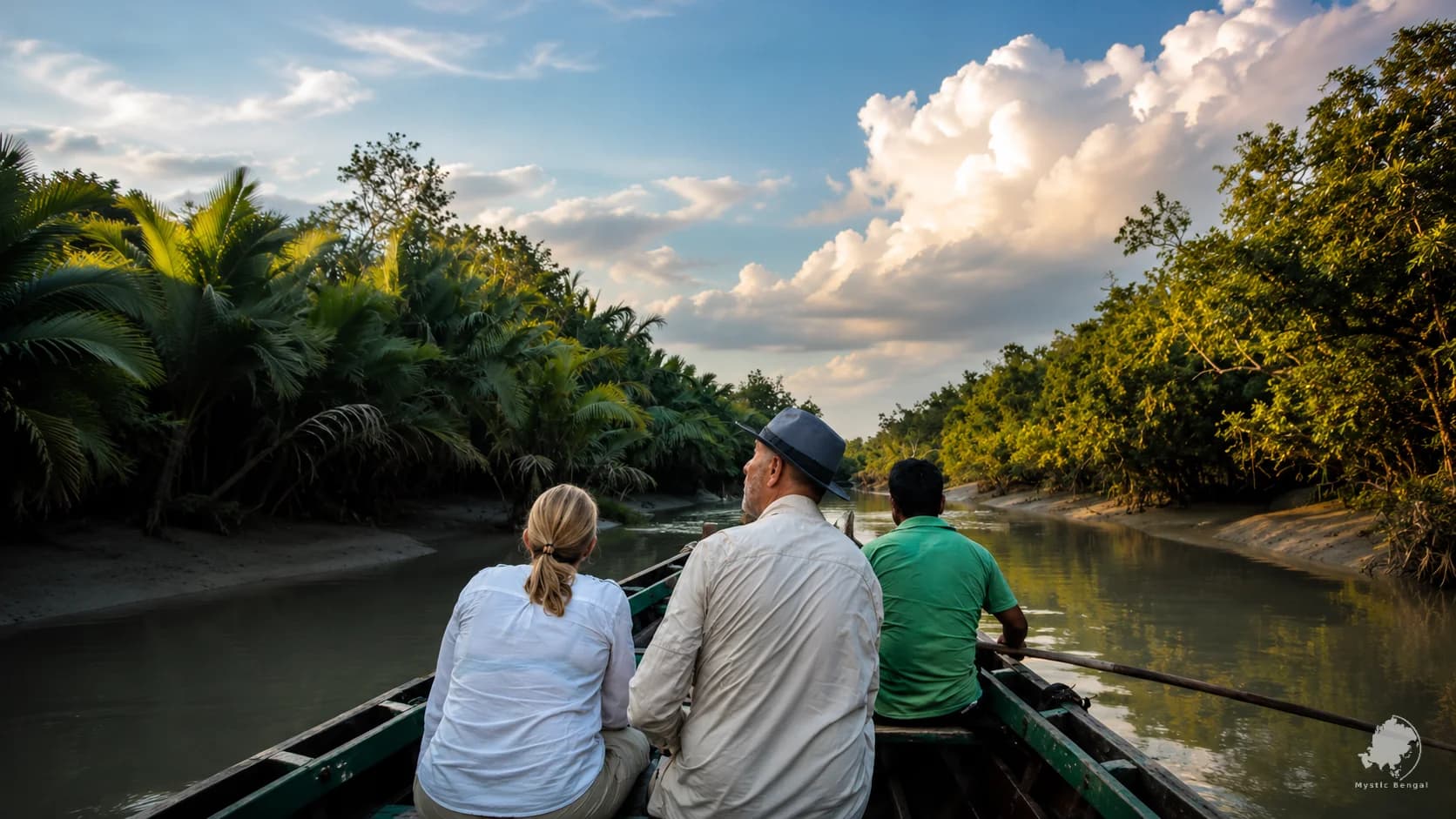
The largest mangrove forest on earth, and the only one where tigers swim between islands. Three nights on a live-aboard boat is the way to see it.
Travel to Dinajpur with a local team
We handle permits, transport, guides and the timing that makes the difference between a good trip and a wasted one.
Sources and further reading
- Kantajew Temple — Wikipedia
- Ramsagar National Park — Wikipedia
- Nayabad Mosque — Wikipedia